
What Is Electrolytic Seawater?
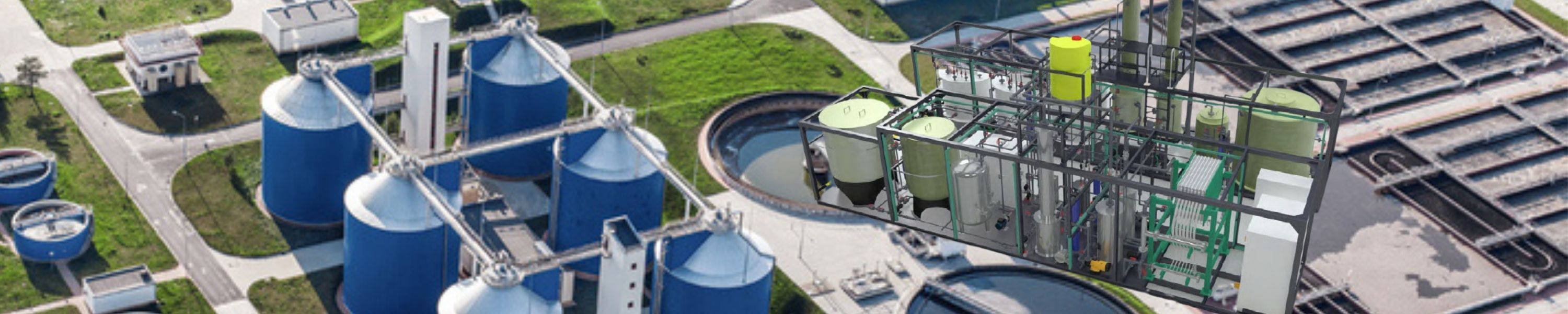
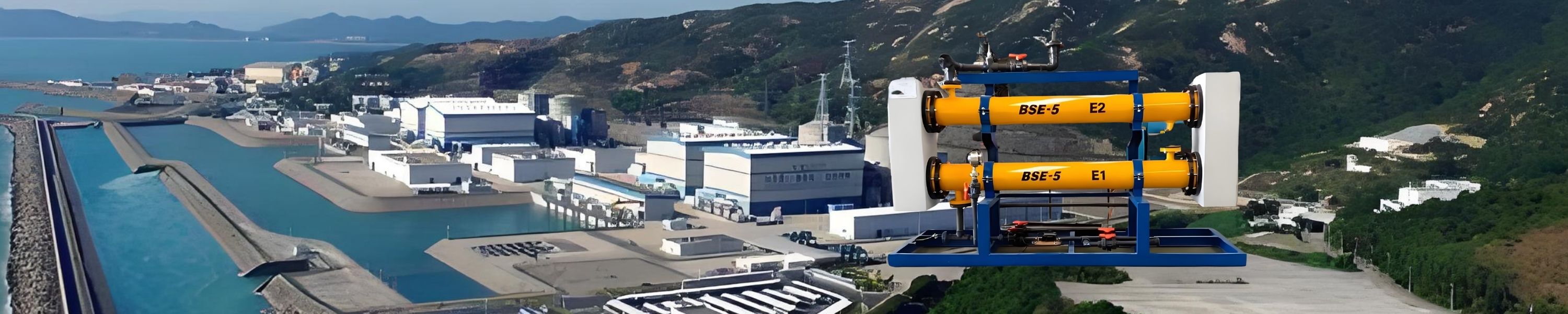
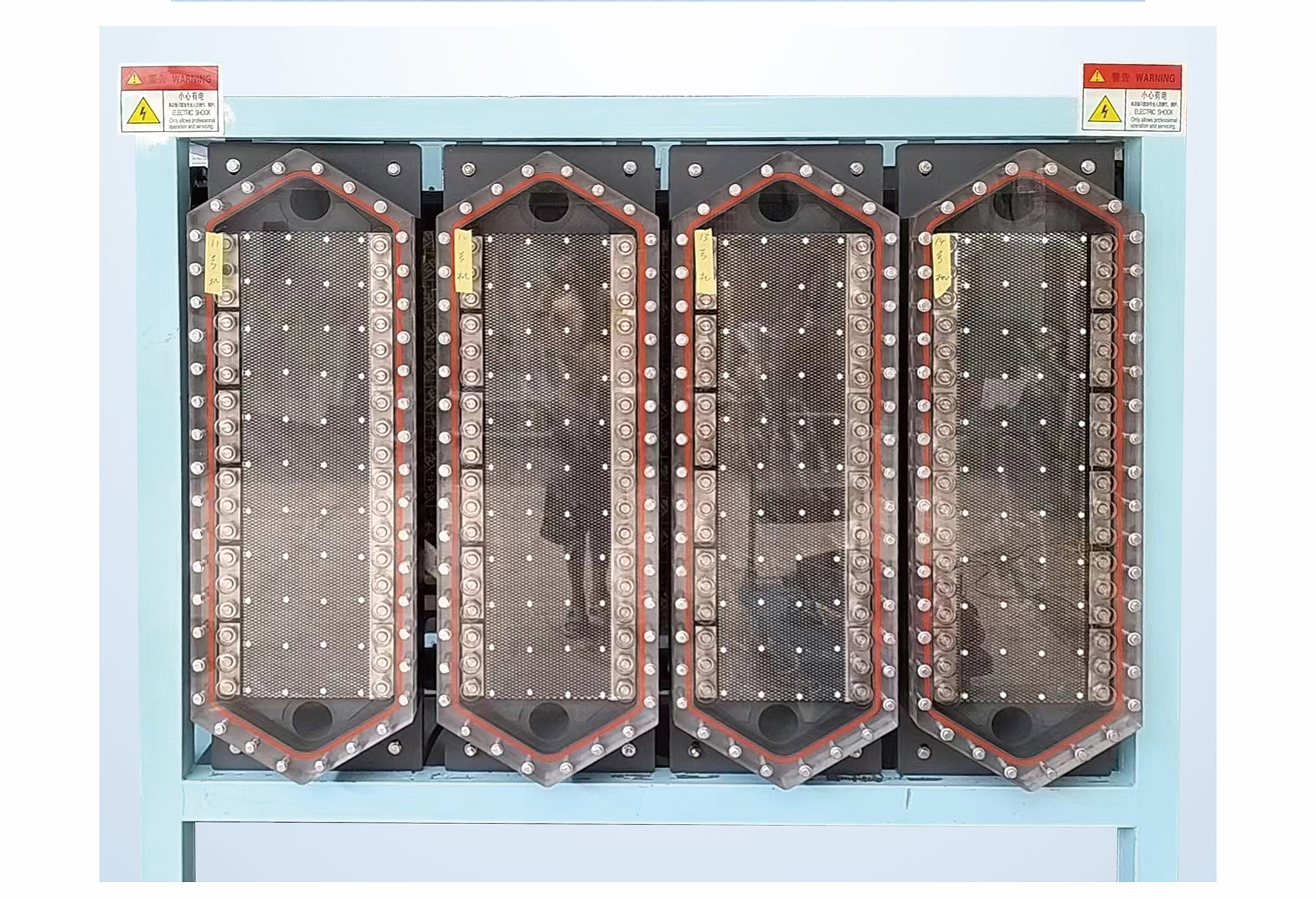
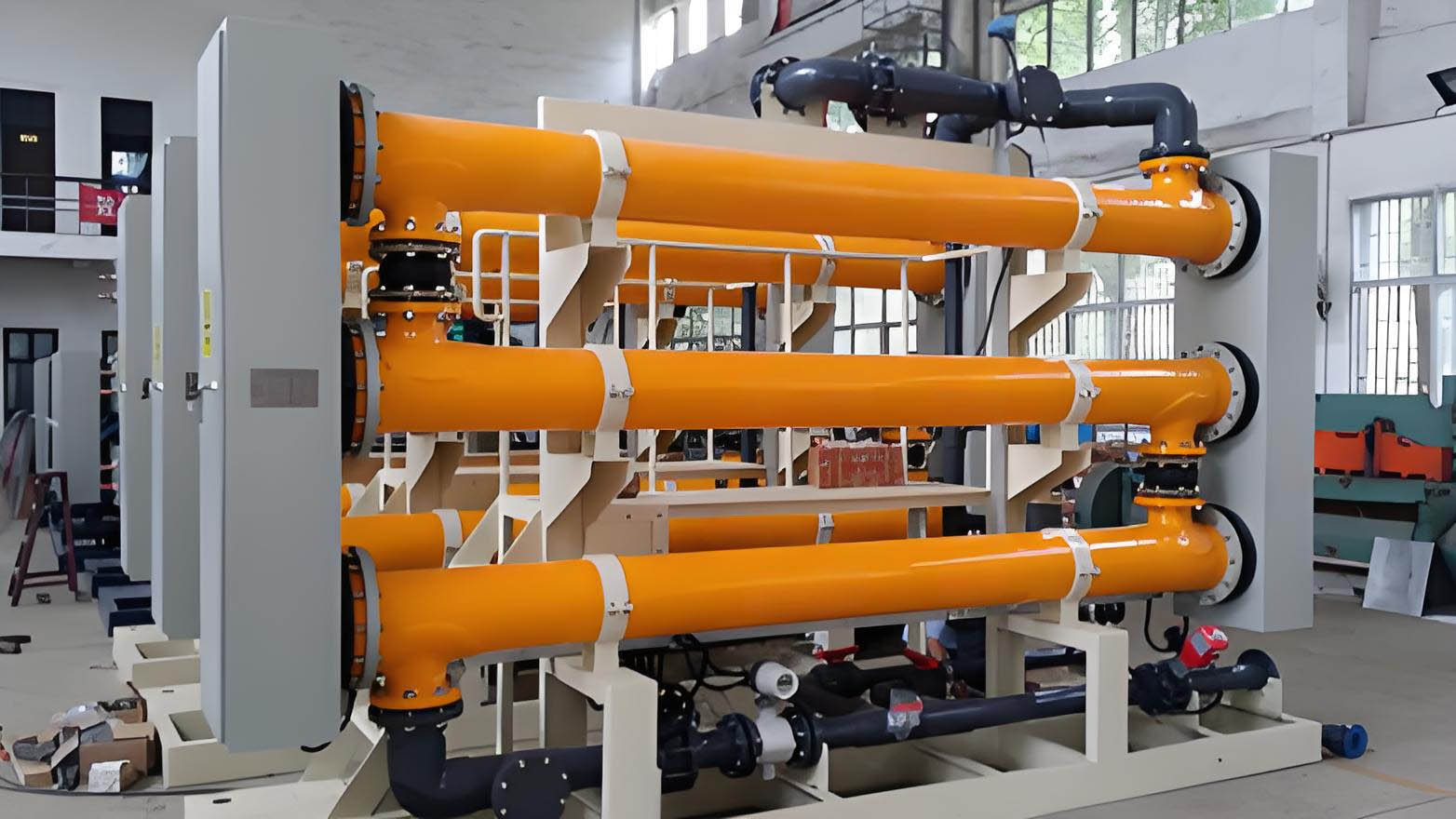
Electrolytic seawater uses electricity to split seawater into hydrogen, oxygen, and other usable components without complex pre‑treatment. Unlike pure‑water electrolysis, it directly uses seawater—an infinite, low‑cost resource—to produce green hydrogen and oxygen, with integrated desalination capabilities. Modern systems use corrosion‑resistant electrodes, high‑selectivity catalysts, and modular electrolyzers to operate reliably in high‑salt, high‑chloride environments.

This process addresses two major pain points for coastal power plants:
- Limited freshwater supplies
- High reliance on fossil fuels and grid power
Core Applications of Electrolytic Seawater in Power Plants
1. Green Hydrogen for Flexible Power Generation
Hydrogen from seawater electrolysis is a zero‑emission energy carrier ideal for fuel cells and peak‑shaving power generation.
- Used in stationary fuel cells as auxiliary power to stabilize plant loads
- Stores surplus renewable energy (offshore wind, solar) for on‑demand use
- Near‑zero pollutants during combustion, supporting carbon neutrality targets
- Improves overall plant efficiency and reduces reliance on traditional generation
2. Oxygen Enrichment for Cleaner, More Efficient Combustion
Oxygen produced during electrolysis enhances boiler performance and cuts emissions:
- Boosts combustion efficiency, lowering fuel consumption
- Reduces NOₓ, SO₂, and particulate matter
- Supports water treatment and oxidation processes in plant utilities
- Eliminates costly, hazardous on‑site oxygen storage
3. On‑Site Seawater Desalination
Electrolysis systems pair with selective membranes to desalinate seawater during operation:
- Supplies reliable process and cooling water
- Reduces dependence on municipal freshwater or external desalination
- Lowers operational costs and strengthens water security
- Ideal for island and coastal plants with scarce freshwater
4. Biofouling Control & Cooling System Protection
Electrolytic seawater generates dilute sodium hypochlorite in situ to prevent biological growth in cooling circuits, filters, and pipelines. This reduces maintenance, extends equipment life, and avoids risks of transported chemicals.

Environmental & Economic Benefits for Power Plants
| Benefit Category | Key Advantages |
|---|---|
| Emission Reduction | Cuts greenhouse gases and air pollutants; supports ESG goals |
| Cost Efficiency | Lowers water, fuel, and chemical costs; extends equipment life |
| Energy Security | Diversifies energy mix; improves grid stability and renewable integration |
| Industrial Synergy | Creates value streams from hydrogen, oxygen, and by‑products |
| Sustainability | Preserves freshwater; uses renewable ocean resources |
Why Electrolytic Seawater Is a Must‑Have for Modern Power Plants
1. Abundant, Low‑Cost Feedstock
Seawater is freely available to coastal plants, eliminating raw water transportation costs.
2. Multi‑Product Output
One system delivers hydrogen, oxygen, freshwater, and antifouling protection—maximizing ROI.
3. Compatibility with Renewables
Pairs perfectly with offshore wind and solar to turn intermittent power into stable green hydrogen.
4. Proven, Scalable Technology
Leading providers offer skid‑mounted, low‑power systems with long‑life electrolyzers (PPE, MESH, CTE) and global deployment experience.
5. Regulatory & Market Alignment
Meets strict emissions rules; qualifies for green energy incentives and carbon credits.


Conclusion
Electrolytic seawater technology redefines how coastal power plants operate. By converting seawater into clean energy, industrial gases, and freshwater, it creates a closed‑loop, low‑carbon system that boosts efficiency, cuts costs, and strengthens sustainability. As the world shifts to net zero, this technology will be central to next‑generation power plant design.

For power producers aiming to lead in clean energy, adopting electrolytic seawater is no longer optional—it’s essential.