
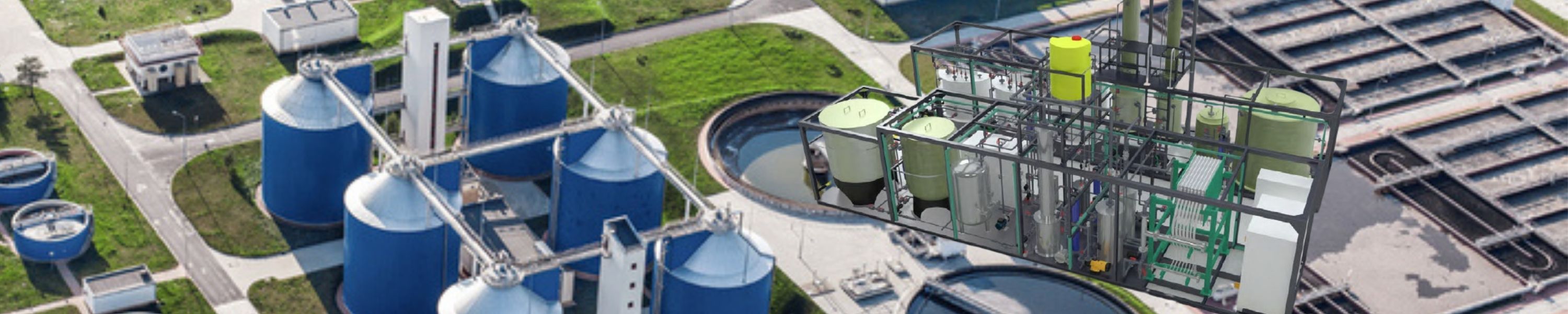
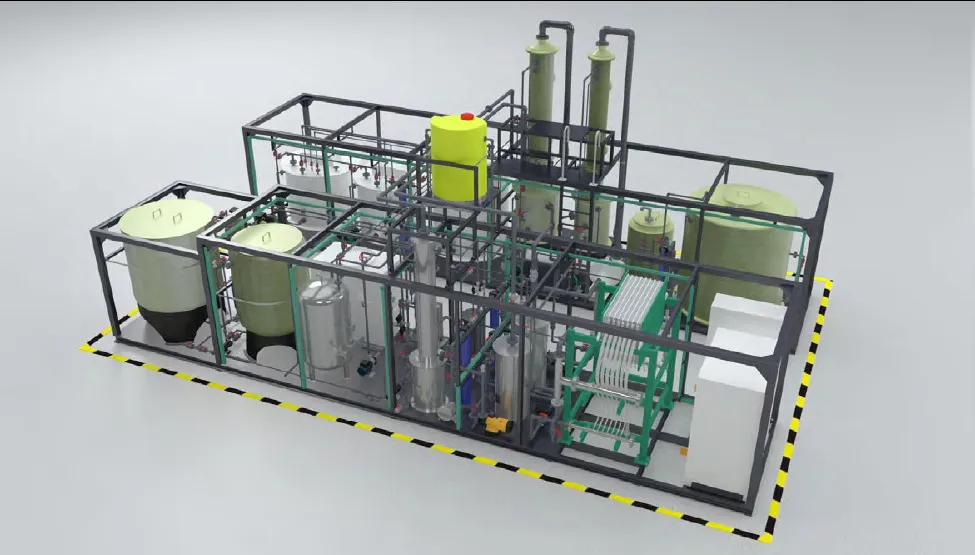
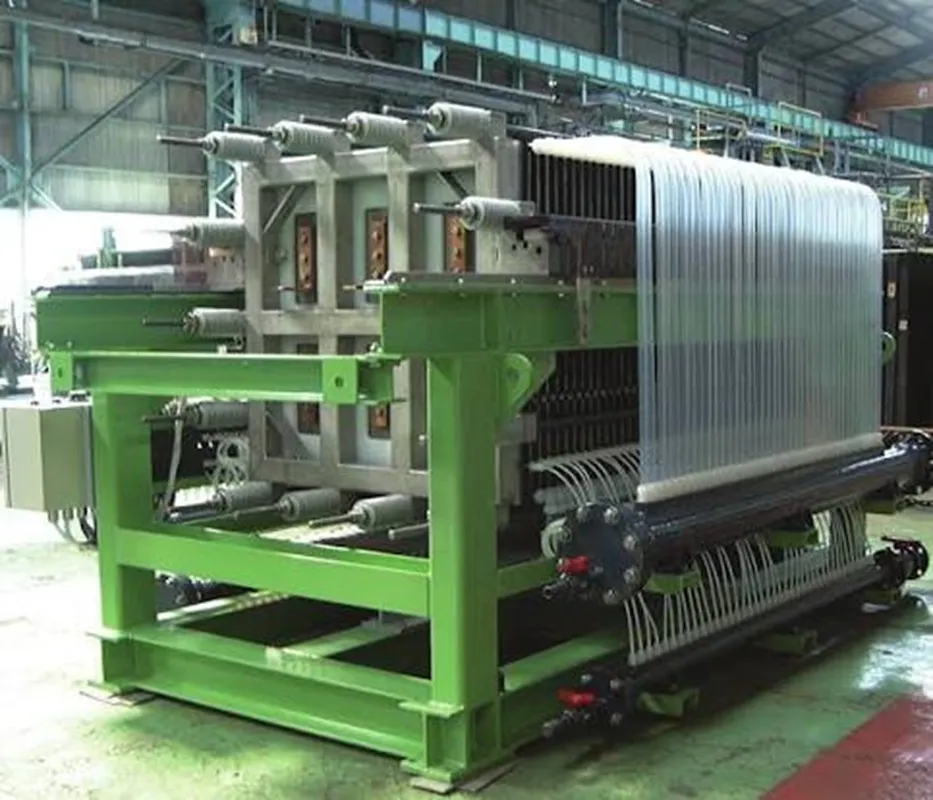
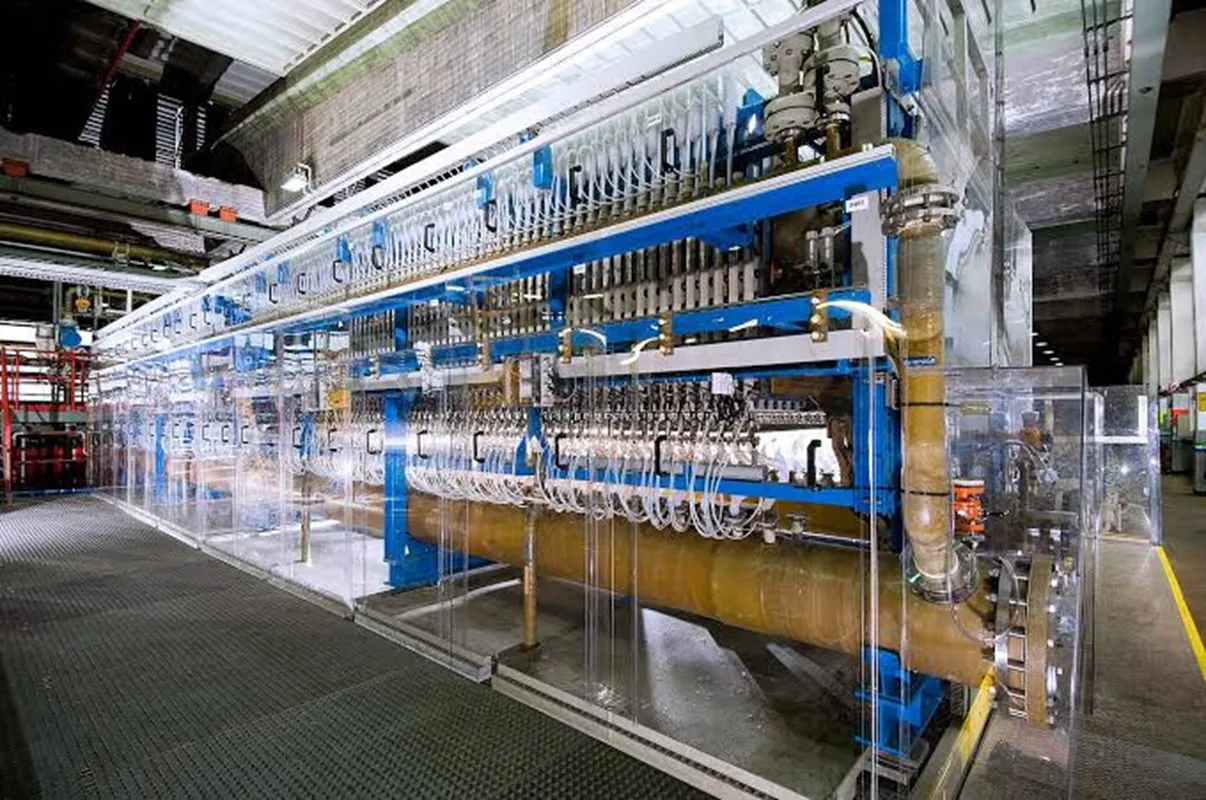
The electrolytic cell is the core component of an electrochlorination equipment. To ensure its lifespan, regular cleaning and maintenance are essential. However, many factories fail to adequately clean and maintain their electrolytic cells, with some even waiting until performance deteriorates or components malfunction before undertaking repairs. This is detrimental to the lifespan and operational efficiency of the electrochlorination equipment. This article will guide you through the maintenance of electrochlorination systems, helping you extend the operating efficiency and lifespan of your electrochlorination equipment.
I. Neglecting maintenance will lead to operational losses.
Maintenance and cleaning of electrochlorination equipment are particularly important; neglecting maintenance can lead to the following problems:
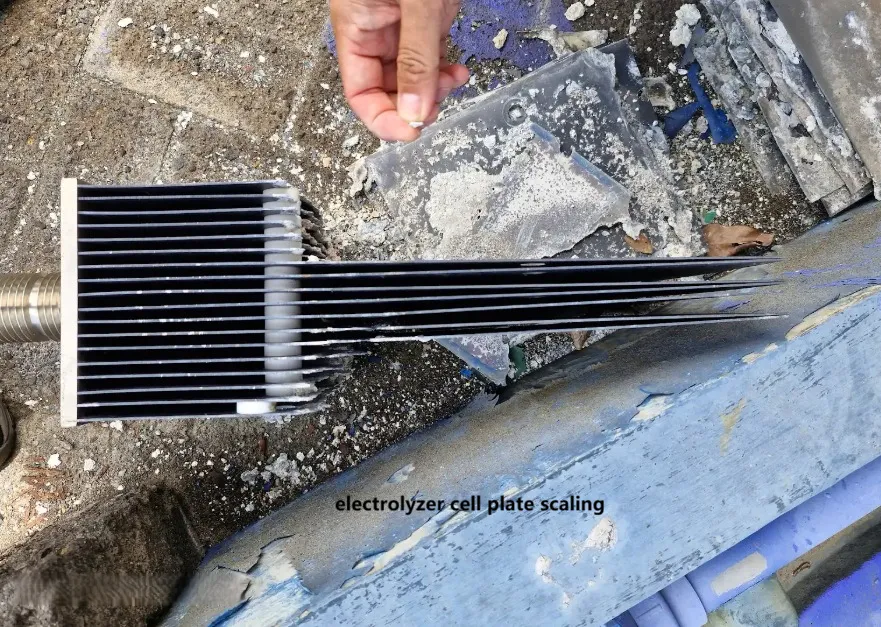
1. Scaling on electrode surfaces reduces operating efficiency.
2. Contamination of the ion exchange membrane can easily cause permanent damage.
3. If an electrolytic cell malfunctions suddenly, a single emergency repair can take 3-5 days, impacting work efficiency.
4. It will reduce the quality of the finished sodium hypochlorite product and increase the pressure of waste liquid treatment.
5. Damage to the electrode coating shortens the lifespan of the electrolytic cell.
II. How to maintain and clean electrochlorination equipment?
Maintenance of electrochlorination equipment needs to be performed regularly, rather than only when you remember to.
Routine maintenance tasks:
1. Finished product concentration verification
concentration is allowed to fluctuate by ± 0.5% daily; if the reading is consistently lower than 1%, priority should be given to investigating scaling, membrane fouling, and brine quality .
2. DC parameter recording
Record the rectifier voltage, current, and power. If the voltage rises more than 5% above the reference value while the current remains constant, it indicates an increase in the tank resistance, most likely due to scaling or membrane aging.
3. Hydrogen safety inspection
Confirm that the exhaust pipe is clear and the ventilation system is functioning properly.
4. Brine feed verification
The concentration of high-concentration brine should be controlled at 250–350 g/L, the total calcium and magnesium hardness should be <1 ppm, and the pH should be maintained at 5–7.
Weekly maintenance tasks:
1. Tank voltage trend review : Compare the weekly average voltage with the initial baseline. A steady weekly increase of 10–20mV indicates accelerated mineral scaling, and acid washing should be scheduled within a week; a sudden voltage increase of more than 50mV in a single week indicates membrane damage or internal short circuit, and the system should be shut down immediately for investigation.
2. Cooling system inspection : Check coolant flow rate, temperature, and appearance. High-concentration electrolysis generates a large amount of heat; the suitable electrolyte temperature is 35–45℃.
3. Brine metering pump inspection : Compare the actual delivery volume with the set value. Membrane aging, air intake, and clogged check valve can cause a 5 % –15% flow deviation.
4. Storage tank condition check : Pay attention to tank temperature , top ventilation, and drug solution decay. It is recommended to keep the storage tank away from light and insulated to shorten the storage period.
Quarterly downtime maintenance:
1. Electrolytic cell pickling : Pass 0.8% hydrochloric acid into the electrolytic cell for 30-60 minutes at a time to treat the scale buildup from daily operation of the electrolytic cell, and then neutralize it with a 2% sodium bicarbonate solution.
2. Ion exchange membrane evaluation : A detailed membrane resistance measurement is performed every 3 months.
3. Electrode coating inspection
Annual comprehensive overhaul:
1. Electrolytic cell disassembly and inspection
2. Rectifier and electrical appliance inspection
3. Instrument calibration work
III. The maintenance of chlorine production systems based on brine electrolysis and chlorine production systems based on seawater electrolysis differs.
Since the chlorine production system using seawater electrolysis uses seawater instead of industrial brine, it naturally contains more impurities, thus requiring different maintenance procedures.
|
Maintenance Project |
Chlorine production from high-concentration refined brine (10–15% NaClO ) |
Chlorine production by seawater electrolysis (approximately 0.8% NaClO ) |
|
Pickling cycle |
Every 3 months |
6–8 weeks |
|
Expected lifespan of ion exchange membranes |
3–5 years |
2–4 years (biological pollution accelerates aging) |
|
Pre-filter maintenance |
Quarterly review of brine purification |
Inlet bar and filter bag require weekly maintenance. |
|
Major pollutants |
Calcium carbonate, magnesium hydroxide |
Calcium scale, sulfates, marine slime |
IV. Shift from fixed-cycle maintenance to predictive maintenance
If maintenance is only performed rigidly according to scheduled times, well-functioning equipment will be idled unnecessarily, while equipment in poor condition will remain unattended . Predictive maintenance helps to better maintain equipment :
- After a new machine or major overhaul, retain complete baseline data.
- The control system is set to alarms: voltage rise > 5%, efficiency decline > 3%, chlorate > 8 g/L.
- Pickling is no longer done on a fixed date.
- Access to remote monitoring enables unified comparison of device status across multiple sites.
V. Conclusion
maintenance of electrolytic chlorine production equipment involves proactive maintenance and regular cleaning , rather than waiting for malfunctions to trigger repairs . This ensures stable operational efficiency. Consistent equipment maintenance improves overall plant efficiency, the quality stability of the finished sodium hypochlorite product, and helps reduce unnecessary costs.