
Water is the lifeblood of thermal power plant operations, serving as the core medium for energy conversion—from raw water treatment to boiler steam generation, and ultimately to mechanical and electrical energy production. However, the production process generates multiple types of wastewater with complex pollutants, including high-salt circulating water, heavy metal-rich desulfurization wastewater, and organic-laden domestic sewage. Direct discharge of these wastewaters poses severe environmental risks, while inefficient treatment limits water resource reuse and increases operational costs. Sodium hypochlorite (NaClO), a highly effective, cost-efficient, and eco-friendly disinfectant and oxidant, has emerged as a pivotal solution for addressing the diverse wastewater treatment challenges of thermal power plants. This article explores its targeted applications, optimal usage parameters, and industrialization advantages in circulating water, desulfurization wastewater, and domestic sewage treatment, with a focus on practical engineering data and cost-benefit analysis.
Key Types of Wastewater in Thermal Power Plants
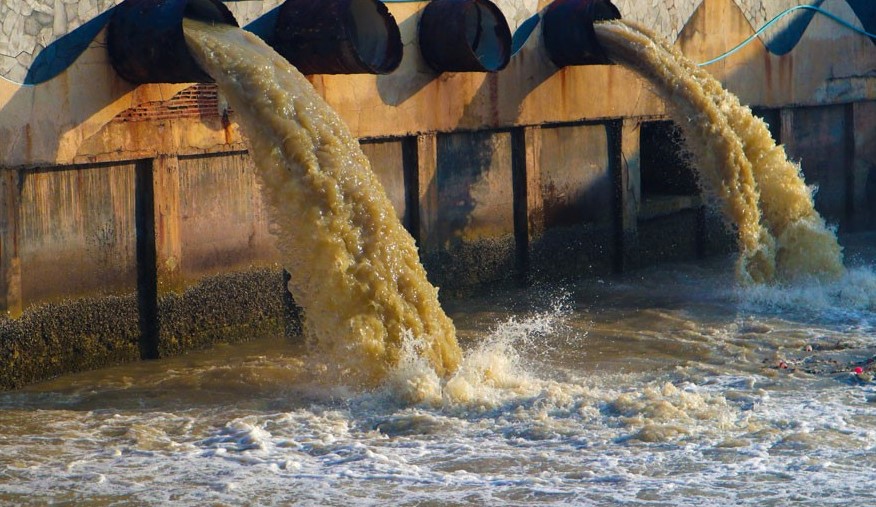
Thermal power plant wastewater is categorized by its source and pollutant characteristics, each presenting unique treatment demands:
- Circulating cooling water effluent: The largest wastewater stream, characterized by high salt content from continuous concentration of inorganic impurities during operation. Its treatment and reuse are critical for improving water resource utilization efficiency.
- Desulfurization wastewater: Produced from wet limestone-gypsum desulfurization processes, it contains high levels of inorganic salts, heavy metals, fluoride ions, and excess COD/pH. It is the most difficult wastewater to treat and cannot be directly reused without advanced processing.
- Domestic sewage: From canteens, bathrooms, and office areas, it contains organic matter, suspended solids, bacteria, oils, and detergents, with slightly higher salinity than tap water, requiring disinfection as a core treatment step.
- Other wastewater: Including hydraulic ash flushing water and chemical wastewater, with pollutant characteristics varying by production link.
Sodium Hypochlorite in Circulating Cooling Water Treatment
Circulating water effluent is primarily treated for desalination and reuse, with sodium hypochlorite playing a dual role inmicrobial controlandcorrosion inhibitionthroughout the process.
Core Application Scenarios
- Microbial growth inhibition: Adding NaClO solution to the circulating water system suppresses the reproduction of algae, bacteria, and other microorganisms, preventing biofouling of heat exchangers, condensers, and cooling towers—this maintains unobstructed water intake channels and ensures the thermal efficiency of heat exchange equipment.
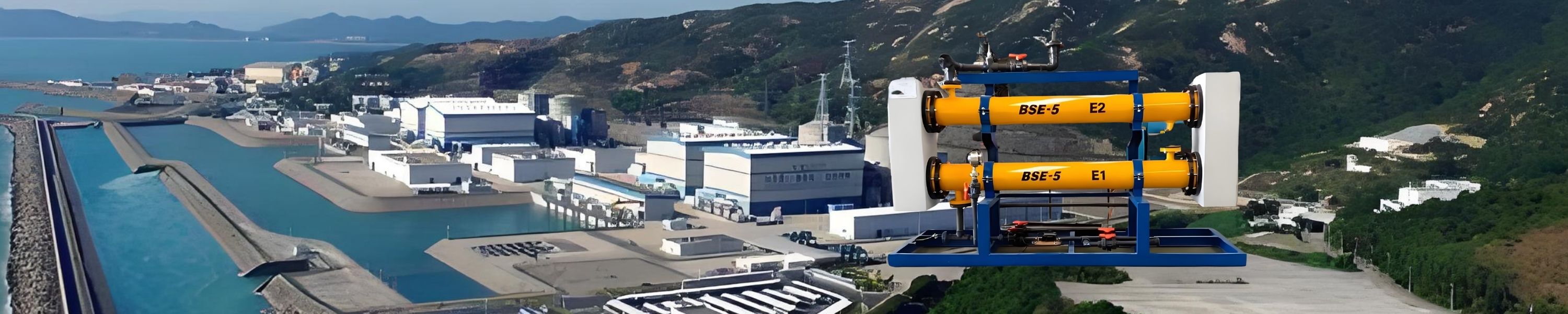
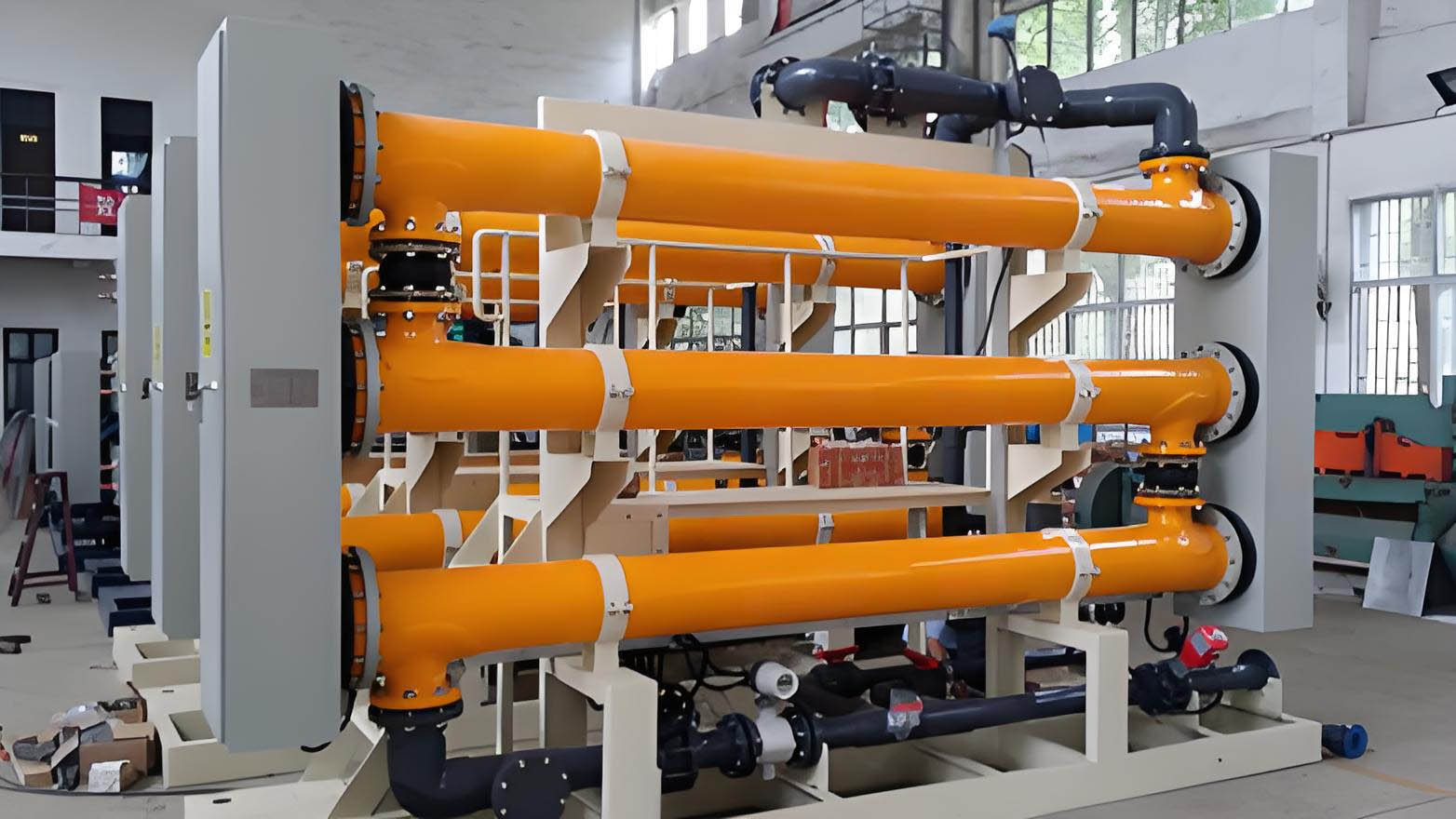
- Resource-saving bactericide production: Coastal thermal power plants leverage matureseawater electrolysis technologyto produce NaClO on-site. This process utilizes local seawater resources, eliminating the need for transportation and storage of chemical disinfectants, and features low production costs and simple operation.
- Synergy with desalination processes: After precipitation, filtration, and reverse osmosis desalination of high-salt circulating water, trace NaClO addition ensures the microbiological safety of recycled water, enabling its reuse as circulating water make-up and reducing fresh water consumption.
Technical Advantages
The electrolysis method for NaClO production—an on-site, clean technology—exhibits strong resistance to water quality fluctuations, no secondary pollution, and mature industrialization. Its electrolysis product (effective chlorine solution) not only acts as a bactericide but also indirectly inhibits carbon steel corrosion in water systems, realizing resource recycling and reducing equipment maintenance costs.
Sodium Hypochlorite: A Targeted Solution for Desulfurization Wastewater Treatment
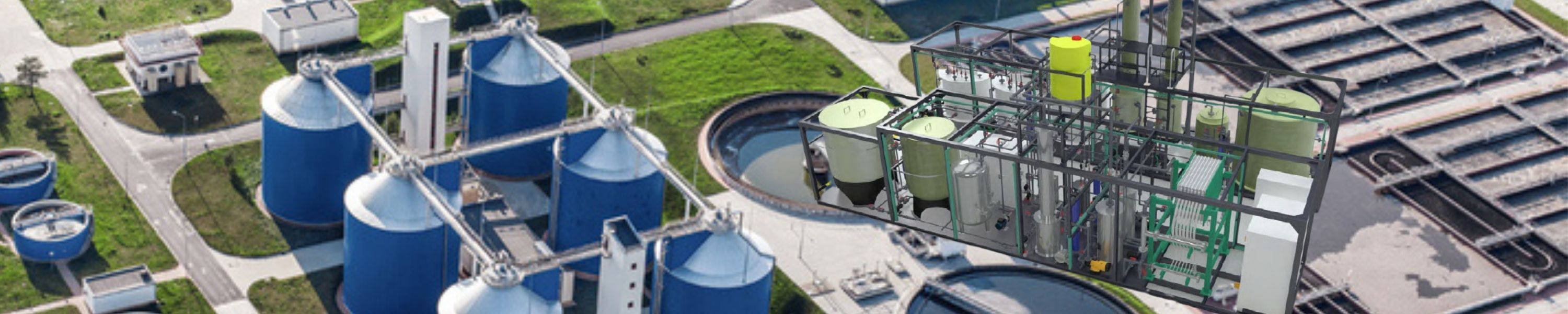
Desulfurization wastewater is the most challenging wastewater stream in thermal power plants, with multiple indicators (COD, pH, heavy metals, F⁻, ammonia nitrogen) frequently exceeding discharge standards. Sodium hypochlorite addresses its core treatment pain points, especially indeaminationandpollutant oxidation, and is a key material for achieving standard discharge.
Key Treatment Functions
1. Ammonia nitrogen removal: Optimal dosage and efficiency
Residual ammonia nitrogen is a major obstacle to desulfurization wastewater discharge. NaClO solution oxidizes ammonia nitrogen into harmless nitrogen-containing compounds, with removal efficiency positively correlated with dosage in a certain range:
- 10% NaClO addition significantly improves ammonia nitrogen removal efficiency;
- A dosage of 12 g/L achieves100% ammonia nitrogen removal;
- For practical engineering (targeting ammonia nitrogen < 15 mg/L to meet first-level discharge standards), theoptimal dosage is 7.5 g/L—balancing treatment efficiency and operational costs.
2. Chloride ion control for wastewater reuse
Cl⁻ content is a key factor limiting desulfurization wastewater recycling. NaClO-based treatment technologies reduce Cl⁻ accumulation in the water system, increase wastewater reuse rates, and lay a foundation for achievingzero wastewater dischargein the entire plant.
3. Oxidation of refractory pollutants
NaClO’s strong oxidizing properties break down refractory organic matter (reducing COD) and complex heavy metal ions, reducing their environmental toxicity and ensuring compliance of multiple indicators with discharge standards.
Industrial Application Value
Unlike other treatment agents, NaClO is compatible with existing desulfurization wastewater treatment processes, requiring only simple modification of the dosing system to address the problem of unaddressed potential pollution in traditional processes. For thermal power plants, this means low retrofitting costs and quick results, making it a cost-effective choice for upgrading desulfurization wastewater treatment.
Sodium Hypochlorite in Domestic Sewage Disinfection
Domestic sewage in thermal power plants has a relatively simple pollutant composition but requires strict disinfection to prevent the discharge of harmful bacteria into natural water bodies. Sodium hypochlorite is the core disinfectant in the sterilization tank (contact tank) of domestic sewage treatment systems, with the following application characteristics:
- Efficient bactericidal effect: Rapidly kills bacteria, viruses, and other pathogenic microorganisms in water, eliminating odor and reducing organic matter content;
- Flexible process integration: After physical and chemical treatment of domestic sewage (removal of suspended solids and oils), NaClO dosing is the final treatment step. The treated water can be either discharged up to standard or recycled to the circulating water system, improving overall water reuse rates;
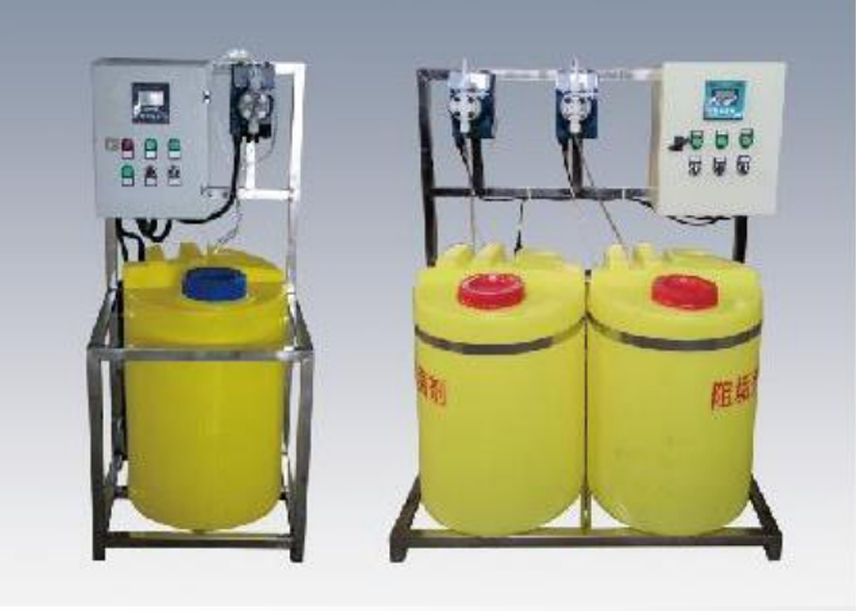
- Simple operation and low cost: The dosing system is easy to automate and maintain, with low chemical consumption, suitable for the small to medium flow of domestic sewage in thermal power plants.
Why Choose Chlory Sodium Hypochlorite Generators for Thermal Power Plants?
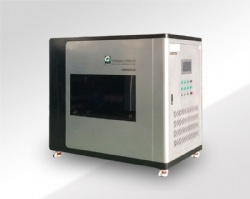
Chlory has been a professional R&D, manufacturing, and service provider of disinfection and water treatment technology since 2001, with rich project experience in both small and large-scale thermal power plants. Our sodium hypochlorite generators offer tailored solutions for power plant wastewater treatment:
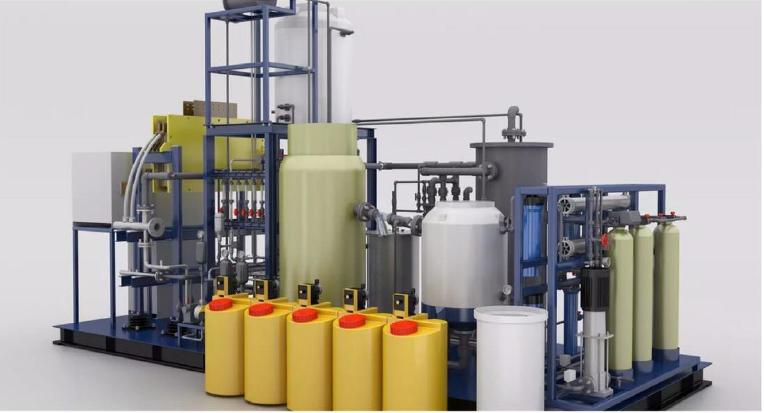
- High production capacity: Up to 30 tons/day of 12% NaClO solution, meeting the large-scale dosing demands of thermal power plants;
- On-site production advantage: Eliminates the risks of transportation and storage of liquid chlorine and other hazardous chemicals, improving the safety of plant operations;
- Adaptability to power plant water quality: The equipment is designed for the characteristics of high-salt, high-pollutant wastewater in thermal power plants, with stable operation and strong anti-interference ability;
- One-stop service: From process design and equipment installation to after-sales maintenance, we provide full-cycle technical support to ensure the efficient and stable operation of the treatment system.
Conclusion
Sodium hypochlorite has become an indispensable core reagent in thermal power plant wastewater treatment due to its diverse functions (disinfection, oxidation, deamination), cost efficiency, and environmental friendliness. Its targeted application in circulating water, desulfurization wastewater, and domestic sewage not only solves the problem of standard discharge of various wastewaters but also improves water resource reuse rates, reduces fresh water consumption, and supports the realization of green and low-carbon operation of thermal power plants.
For coastal thermal power plants, on-site NaClO production via seawater electrolysis is a more economical and sustainable choice; for inland plants, Chlory’s sodium hypochlorite generators provide flexible, customized solutions to meet different treatment demands. With the continuous tightening of environmental protection policies and the increasing demand for zero wastewater discharge in thermal power plants, sodium hypochlorite will play an even more important role in the industry’s green transformation.
Contact Us Todayto customize a professional sodium hypochlorite wastewater treatment solution for your thermal power plant!