
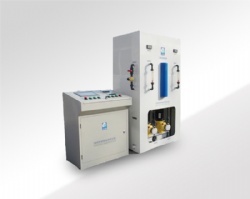
Large-scale commercial farms, greenhouses and crop plantations face persistent water quality challenges when using surface water, well water or recycled water for irrigation. Pathogens, algae and biofilm build-up inside drip lines and emitters cause uneven water distribution, blocked nozzles, increased maintenance labour and elevated food safety risks for fresh produce. For modern agricultural operations that need stable, scalable disinfection, on-site sodium hypochlorite generation has become a reliable alternative to bulk-delivered bleach, chlorine gas and other biocide options.
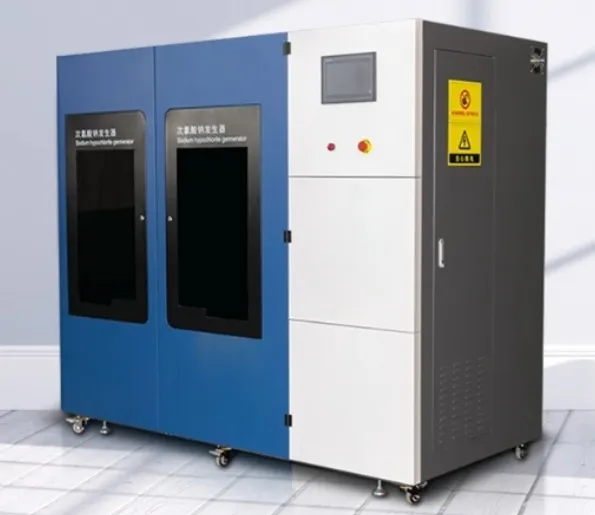
Our on-site NaOCl systems produce disinfectant on demand from salt, water and electricity, delivering consistent chlorine residual to irrigation networks. This solution is tailored for large farm projects with high water flow rates, strict produce safety standards and long irrigation pipeline networks.
Core Irrigation Water Risks for Commercial Farms
Irrigation water drawn from lakes, ponds, canals or shallow wells often carries E. coli, coliforms, fungi and algae. These microorganisms attach to pipe walls and form sticky biofilm layers. Over time, biofilm combines with organic matter to clog drippers and micro-sprinklers, reducing irrigation uniformity and hurting crop yield.
Beyond hardware clogging, contaminated irrigation water introduces food safety hazards. Global produce regulations require farms to control microbial loads in pre-harvest irrigation water to prevent pathogen transfer to fruits and vegetables. Many traditional disinfection methods struggle with variable water turbidity, fluctuating flow and high consumption volumes on large farms.
How On‑Site Sodium Hypochlorite Works for Irrigation Disinfection
On-site sodium hypochlorite generators use electrolysis of diluted brine to create fresh NaOCl solution directly at the farm site. The system integrates automatic dosing, residual chlorine monitoring and flow-linked control panels. Operators can set target free chlorine levels for continuous disinfection or periodic shock treatment to strip biofilm from irrigation piping.
Unlike bulk sodium hypochlorite that degrades during transport and storage, electro-generated NaOCl is produced fresh. Dosing can be adjusted automatically according to real-time water quality changes, which is critical for farms with variable raw water sources. The treated water maintains a controlled chlorine residual all the way through the irrigation network, protecting both the pipeline and the crop.
Key Benefits of On‑Site NaOCl for Large Farm Projects
First, it cuts logistics and chemical storage risks. Farms no longer need regular bulk tanker deliveries of high-strength bleach, eliminate large hazardous chemical storage tanks and reduce regulatory compliance burdens for dangerous chemical transport. Only salt and water are stored on site, greatly improving site safety for farm workers.
Second, it controls biofilm and emitter clogging efficiently. Continuous low-level chlorination suppresses algae and bacterial slime, extending the service life of drip irrigation systems and lowering cleaning and replacement costs. Uniform water delivery supports consistent crop growth across vast fields.
Third, it supports food safety compliance. Stable disinfection reduces pathogen counts in irrigation water, helping growers meet local and international agricultural water standards for leafy greens, fruits and other fresh produce.
Fourth, it delivers long-term operational cost advantages. Salt is inexpensive and widely available, and the automated system runs with minimal manual oversight for round-the-clock irrigation treatment.
Practical Operation Notes for Farm Irrigation Systems
Proper design is essential. Our engineering team matches generator capacity to the farm’s peak irrigation flow rate, raw water turbidity and crop type. We install chlorine residual sensors to avoid over-dosing, because excessive chlorine may negatively impact sensitive crops and soil health.
We also recommend separate monitoring for recirculated hydroponic and greenhouse irrigation loops. Routine sampling ensures disinfection performance stays within the safe range for your crops while maintaining effective microbial control. The system can work alongside filters and sediment pre-treatment for the best overall water quality outcome.
Why Choose Our On‑Site Hypochlorite Solution for Agricultural Water
We specialise in custom water disinfection packages built for large agricultural sites. Our systems are rugged for outdoor farm environments, easy to integrate with existing irrigation controllers and supported by remote monitoring and after-sales service. Whether you manage open-field crops, high-tech greenhouses or commercial hydroponic facilities, we design irrigation disinfection solutions that balance safety, reliability and sustainability.
Safe, consistent irrigation water is the foundation of stable farm output and market access. On-site sodium hypochlorite offers large growers a practical, scalable path to better water quality and lower operational risk.