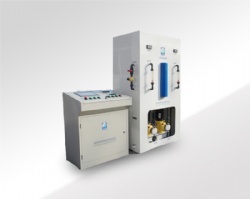
Medical wastewater is one of the most high-risk water sources in modern public health and environmental protection systems. Unlike conventional domestic sewage, hospital wastewater carries massive pathogenic microorganisms, including bacteria, viruses, fungi, and microbial spores, alongside residual antibiotics, disinfectant byproducts, and medical waste contaminants. Without rigorous, high-standard disinfection treatment, discharged medical wastewater can trigger cross-infection, pollute urban water systems, and threaten ecological safety and public health worldwide. As a mature, reliable, and cost-effective disinfection solution, high-concentration sodium hypochlorite (High-Concentration NaOCl) has become the preferred choice for professional hospital wastewater treatment projects, outperforming low-concentration disinfectants, ultraviolet sterilization, and chlorine gas disinfection in multiple core indicators.
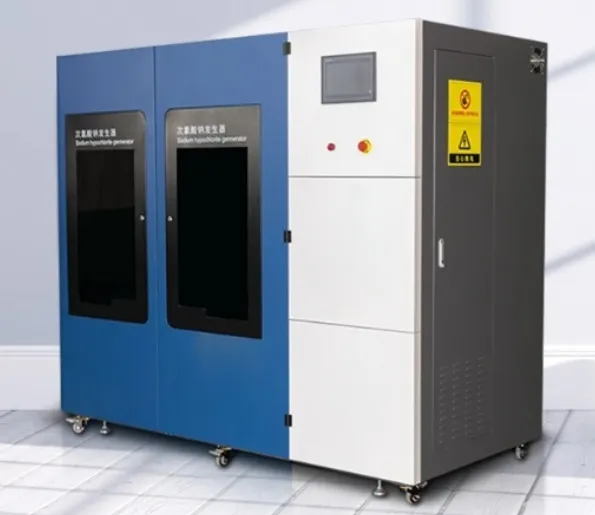
Unique Challenges in Hospital Wastewater Disinfection
Hospital wastewater features complex water quality, unstable pollutant concentration, and diverse hazardous pathogens, putting forward higher requirements for disinfection efficiency, continuity, and safety. First, medical wastewater contains highly resistant viruses and spores that cannot be completely inactivated by ordinary low-level disinfection methods. Second, the fluctuation of hospital water output and pollutant concentration requires disinfectants with stable efficacy and strong adaptability to avoid incomplete disinfection caused by dosage deviation. Third, medical wastewater treatment must comply with strict global medical sewage discharge standards, requiring disinfection systems to achieve efficient sterilization while controlling secondary pollution risks. In addition, traditional disinfection methods such as UV sterilization lack residual bactericidal capacity, making it impossible to prevent secondary contamination during wastewater transmission, while chlorine gas disinfection faces huge safety hazards in storage and transportation, which is not suitable for hospital indoor and centralized water treatment scenarios.
Core Advantages of High-Concentration NaOCl for Medical Wastewater Treatment
1. Ultra-High Pathogen Inactivation Efficiency for Full-Spectrum Sterilization
High-concentration NaOCl (typically 10%–15% effective chlorine content) delivers powerful and rapid inactivation effects on all common medical pathogens. Relevant test data shows that high-concentration sodium hypochlorite can achieve a 4-log reduction of E. coli, coliforms, and other common bacteria in a short time, and efficiently inactivate coronaviruses, influenza viruses, and various drug-resistant bacteria in medical wastewater. Compared with low-concentration NaOCl solutions, high-concentration products have stronger oxidative disinfection activity, which can break the protein and nucleic acid structure of pathogens, completely eliminating microbial activity and avoiding the survival of resistant strains. It can also cope with high-pollution medical wastewater peaks to ensure stable and qualified disinfection effects at all times.
2. Stable Residual Disinfection to Prevent Secondary Pollution
One of the biggest drawbacks of UV and ozone disinfection is the lack of residual disinfection ability. After treatment, medical wastewater is easily re-infected by bacteria and microorganisms in pipelines and storage tanks. High-concentration NaOCl can form stable and appropriate residual chlorine in the water body, which continues to inhibit microbial reproduction in the subsequent transportation and discharge process of wastewater, effectively preventing secondary contamination. This residual protection capability fills the technical gap of instantaneous disinfection methods and ensures the whole-process safety of medical wastewater from treatment to discharge.
3. Lower Comprehensive Operation Cost and Higher Cost Performance
Although high-concentration NaOCl has a higher single concentration, it brings more economical overall operating costs for hospital wastewater treatment. Its high unit disinfection efficiency greatly reduces the dosage of chemicals, cutting the frequency of raw material replacement and labor costs for dosing management. Meanwhile, high-concentration products occupy less storage space, effectively solving the problems of large storage volume and high transportation costs of low-concentration disinfectants. For large and medium-sized hospitals with large wastewater discharge, high-concentration NaOCl can significantly reduce the overall cost of water treatment while meeting ultra-high disinfection standards, with outstanding long-term economic benefits.
4. High Safety and Low Secondary Pollution Risks
Different from dangerous chlorine gas disinfection that requires high-pressure storage and is prone to leakage and explosion risks, high-concentration NaOCl is a liquid disinfectant with stable properties, convenient storage and transportation, and no potential safety hazards of toxic gas leakage. With precise dosing control, it can maintain the pH value of the effluent within the standard range of 6.5–7.5 without additional pH adjustment procedures. In addition, professional high-concentration NaOCl for water treatment has controllable disinfection byproducts (DBPs), which can effectively reduce the generation of harmful substances, fully complying with medical wastewater discharge specifications and environmental protection requirements.
5. Strong Adaptability to Complex Medical Water Quality
Hospital wastewater often contains residual medical drugs, organic pollutants, and suspended solids, which can interfere with the efficacy of ordinary disinfectants. High-concentration NaOCl has strong anti-interference ability and stable oxidation performance, which can maintain efficient disinfection effects even in complex water quality environments with fluctuating COD and pollutant concentrations. It is suitable for all types of medical wastewater scenarios, including general ward wastewater, laboratory medical wastewater, and specialized medical sewage, realizing one-stop efficient disinfection treatment.
Professional Application Scenarios of High-Concentration NaOCl in Medical Water Treatment
High-concentration sodium hypochlorite has become a standard supporting disinfection solution for hospital wastewater treatment stations, widely used in full-scenario links such as terminal wastewater disinfection of general hospitals, specialized hospitals, and medical research institutions, pretreatment disinfection of medical sewage pipelines, and emergency disinfection of medical wastewater during public health emergencies. Combined with automatic dosing systems, it can realize intelligent, continuous, and unmanned disinfection operation, ensuring that medical wastewater stably meets national and international discharge standards, and building a solid safety barrier for hospital public health and urban ecological environment.
Conclusion
Facing the high-standard and high-risk disinfection demands of hospital wastewater, high-concentration NaOCl stands out among numerous disinfection technologies with its advantages of full-spectrum high efficiency, residual protection, safe operation, and low comprehensive cost. It not only solves the pain points of incomplete disinfection and easy secondary pollution of traditional processes but also realizes the dual guarantee of public health safety and environmental compliance. For modern medical institutions, choosing professional high-concentration sodium hypochlorite disinfection solutions is the most reliable and cost-effective way to standardize wastewater treatment and upgrade environmental protection systems.