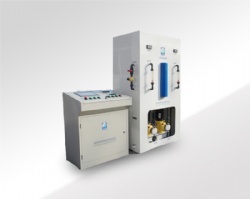
Safe, reliable disinfection is the cornerstone of municipal drinking water treatment. As urban water consumption surges and water quality standards grow stricter worldwide, water treatment operators are seeking cost-effective, high-efficiency, and stable disinfection solutions to eliminate pathogens while maintaining consistent water quality throughout distribution networks. High-concentration sodium hypochlorite has emerged as a preferred disinfection reagent for modern municipal drinking water projects, replacing traditional disinfection methods and solving many pain points in large-scale water treatment. This blog explores its core advantages, key application practices, and compliance value in municipal drinking water disinfection.
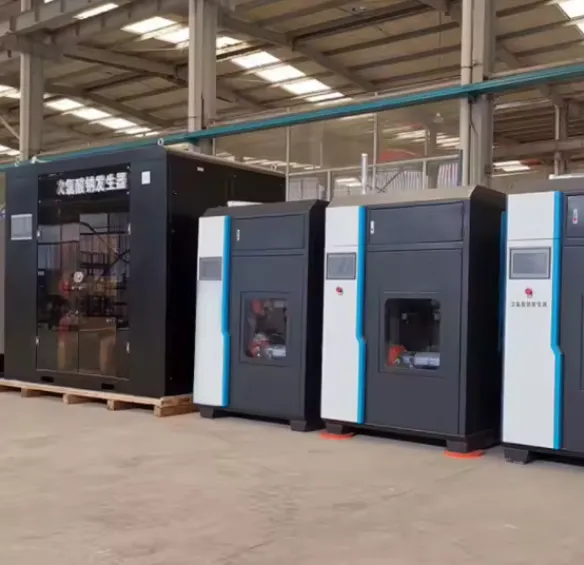
1. Core Advantages of High-Concentration Sodium Hypochlorite for Drinking Water Treatment
High-concentration sodium hypochlorite (typically 10%–12.5% effective chlorine content, complying with AWWA B300 and NSF drinking water treatment chemical standards) is a powerful oxidizing and disinfecting agent tailored for large-volume municipal water systems. Compared with low-concentration sodium hypochlorite, chlorine gas, and other conventional disinfectants, it delivers unparalleled comprehensive performance in municipal water treatment scenarios.
First, it provides superior and stable disinfection efficacy. When dissolved in water, it hydrolyzes into hypochlorous acid and hypochlorite ions, which penetrate microbial cell walls, inactivate bacteria, viruses, and protozoa rapidly, and effectively eliminate common waterborne pathogens such as E. coli, norovirus, and hepatitis A virus. Its high concentration formula ensures sufficient free chlorine residual in treated water, forming a continuous protective barrier in water pipelines and storage tanks to prevent secondary microbial contamination during water distribution.
Second, it optimizes operational costs and logistics efficiency. High-concentration solutions reduce the overall dosage required per ton of water, significantly cutting the frequency of chemical transportation, storage replacement, and manual feeding. For municipal water plants serving tens of thousands of residents, this greatly lowers labor costs, transportation expenses, and equipment operation and maintenance costs, while avoiding frequent dosing errors caused by low-concentration reagent dilution.
Third, it features high safety and low by-product risk. Strictly produced high-concentration sodium hypochlorite for drinking water grade has low impurity content. When dosed in accordance with standard specifications (maximum compliant dosage refers to NSF certified standards), it effectively controls the generation of disinfection by-products such as chlorate and chlorite. Compared with liquid chlorine, it is non-toxic, non-flammable, and free of leakage and explosion risks during storage and use, greatly improving the operational safety level of water plants.
2. Standardized Application Practices in Municipal Drinking Water Disinfection
To maximize the performance of high-concentration sodium hypochlorite and ensure full compliance with drinking water safety regulations, municipal water treatment plants need to follow standardized dosing, storage, and monitoring specifications throughout the application process.
In terms of dosing control, operators need to adjust the dosage dynamically based on raw water quality, water temperature, and daily water supply volume. Raw water with high turbidity and high microbial content requires appropriate increased dosing to ensure thorough disinfection; while in low-temperature and low-water-consumption seasons, the dosage should be reduced moderately to avoid excessive chlorine residual. Automatic metering pump systems are recommended for precise quantitative dosing to maintain stable free chlorine residual in finished water within the national standard range.
For storage and transportation management, high-concentration sodium hypochlorite is susceptible to decomposition under high temperature, light exposure, and impurity interference, which affects its effective chlorine content. Water plants need to store it in dark, cool, and ventilated professional storage tanks, avoid long-term storage, and regularly test the effective chlorine concentration of the reagent. In addition, referring to AWWA B300 standard specifications, standardized handling and transfer procedures should be implemented to reduce reagent loss and performance attenuation during transit and storage.
In terms of real-time monitoring, water quality monitoring systems should be deployed to continuously track key indicators including free chlorine residual, chlorate ion content, and microbial indicators of finished water. Real-time data monitoring and regular manual sampling detection can ensure that the treated drinking water fully meets EPA and local municipal drinking water quality standards, realizing traceable and controllable disinfection effects.
3. Compliance and Long-Term Value for Municipal Water Projects
Municipal drinking water treatment is a livelihood project closely related to public health, with extremely strict regulatory requirements for disinfection processes and chemical reagents. High-concentration sodium hypochlorite that passes NSF certification and meets international water treatment chemical standards can fully meet the compliance requirements of global municipal water supply projects, helping water plants pass regular environmental and water quality inspections smoothly.
In addition to compliance guarantees, it brings long-term operational value for municipal water enterprises. Its stable disinfection performance reduces the risk of water quality fluctuations and water supply accidents, ensuring continuous and safe water supply for urban residents and industrial production. The optimized dosing and management mode also reduces the overall operational cost of water plants, improving the economic benefits and operational efficiency of municipal water supply projects.
With the continuous upgrading of urban water infrastructure and the improvement of public health standards, high-concentration sodium hypochlorite will become more widely used in municipal drinking water disinfection. As a professional water treatment solution provider, we supply high-purity, standard-compliant drinking water grade sodium hypochlorite, and provide customized disinfection process optimization services to help municipal water plants achieve efficient, safe, and low-cost water disinfection treatment.