
Introduction
A sodium hypochlorite generator is an essential on‑site disinfection water treatment device widely used for municipal tap water disinfection, industrial wastewater treatment, swimming pool water purification, aquaculture water quality optimization, and sewage deodorization. Different from finished sodium hypochlorite solution purchasing, the on‑site electrolysis type sodium hypochlorite generator produces disinfectant through saturated salt water electrolysis, featuring low cost, high safety, and no chemical transportation risks. However, the electrolysis process generates trace hydrogen gas and weak corrosive liquid. Without standardized operation, daily maintenance and scientific safety management, hidden dangers such as gas accumulation, pipeline leakage, electrode damage and unstable water disinfection effect may occur. Therefore, standardized safety operation and systematic maintenance management are the core premises to guarantee long‑term stable, efficient and safe operation of sodium hypochlorite generators. As a professional water treatment disinfection equipment and chemical solution supplier with 25 years of experience,Chlorysummarizes complete safety operation specifications, daily management standards and emergency disposal guidelines to help industrial users achieve zero‑risk and stable equipment operation.
1. Basic Working Principle & Potential Safety Hazards
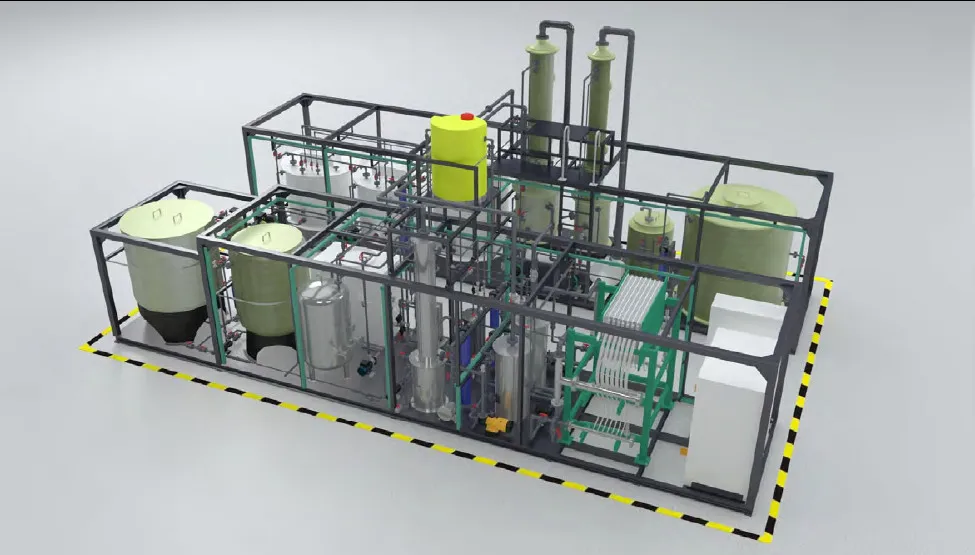
The sodium hypochlorite generator adopts low‑voltage electrolysis technology. It uses refined saturated brine as the raw material, and produces sodium hypochlorite disinfectant through electrochemical reaction in the electrolytic cell. The core reaction process is safe and environmentally friendly, with no toxic and harmful by‑products. The effective chlorine concentration of the produced disinfectant is stable, which can meet the continuous disinfection demand of large‑scale water treatment projects.
Although the equipment belongs to low‑risk environmental protection equipment, there are two key potential safety hazards in continuous operation. First, a small amount of hydrogen gas will be continuously precipitated during brine electrolysis. Hydrogen is a flammable and explosive gas. Once it accumulates in a closed space and exceeds the safe concentration threshold (1%), it may cause explosion hazards when encountering open fire or static electricity. Second, long‑term electrolysis operation will cause electrode scaling, pipeline aging and liquid leakage. Improper operation may lead to unstable disinfection concentration, equipment short circuit and corrosion risks. All subsequent safety management specifications are designed for these core hidden dangers to achieve targeted prevention and control.
2. Standard Installation & Environmental Safety Specifications
The safe operation of sodium hypochlorite generator starts with standardized installation and compliant environmental layout, which is the primary condition to eliminate potential safety hazards. First of all, the equipment must be installed in a special independent equipment room with good ventilation, away from open fire, high‑temperature heat sources, static electricity generating equipment and flammable materials. It is strictly prohibited to place the generator in a closed basement, narrow closed space or high‑temperature workshop.
In terms of environmental parameters, the operating ambient temperature should be controlled between 5℃ and 40℃, and the relative humidity should not exceed 80%, complying with national and international industry safety standards. The equipment room is equipped with 24‑hour continuous forced ventilation and exhaust system, and the hydrogen exhaust pipeline is independently led outdoors to ensure that the indoor hydrogen concentration is always lower than the safe threshold of 1%, completely avoiding gas accumulation risks. In addition, the electrical components of the equipment adopt high‑standard waterproof and explosion‑proof design with IP65 protection level, which adapts to the high‑humidity working environment of water treatment workshops and prevents electrical short circuit and leakage accidents.
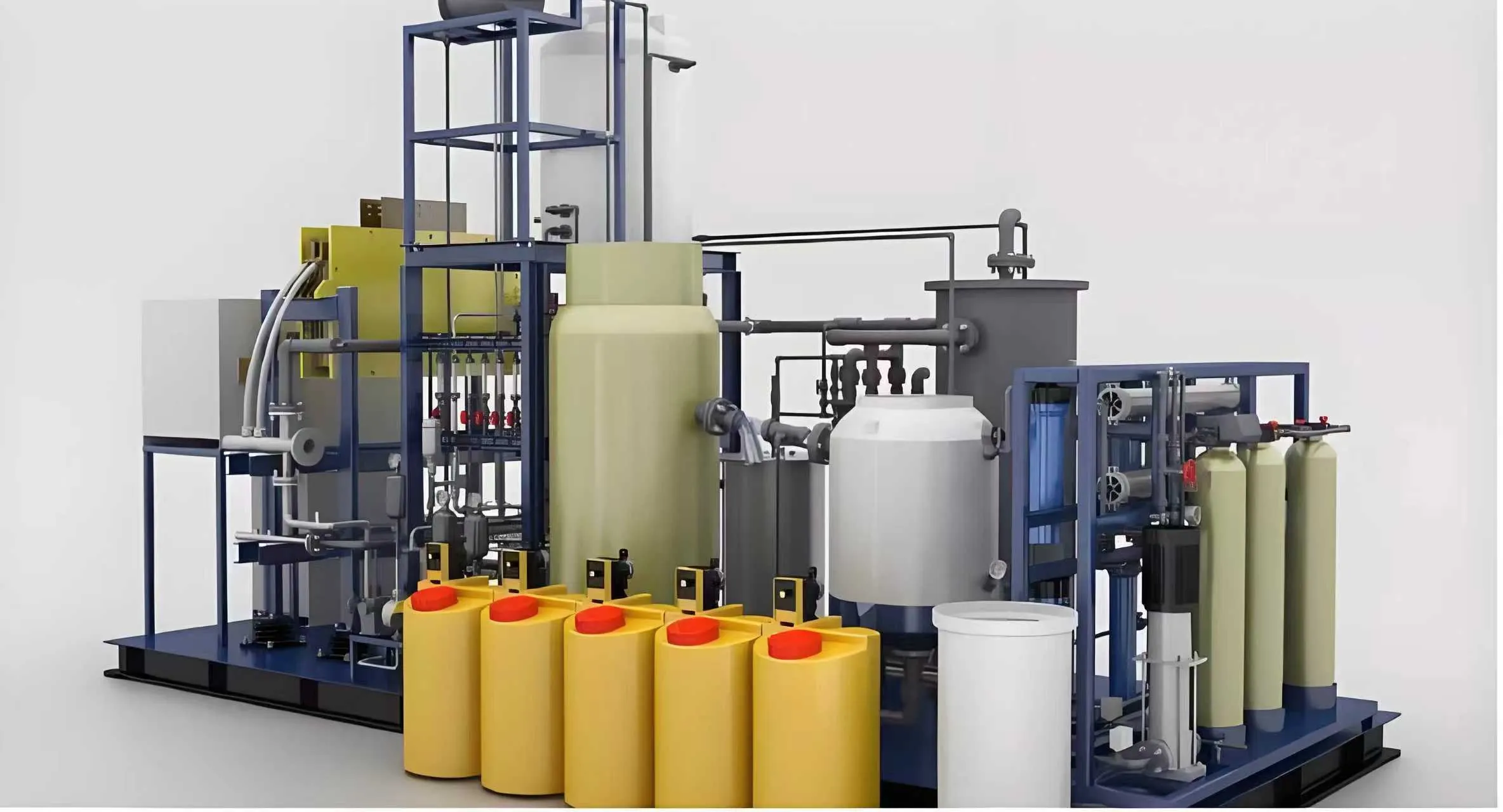
3. Standard Operating Procedures to Ensure Stable & Safe Operation
Standardized manual operation is the key to avoid human‑induced failures and safety accidents. All operators must receive professional pre‑job training and master complete startup, operation and shutdown specifications.
Before equipment startup, full inspection must be completed: check whether the brine concentration is configured in compliance with the standard (prohibiting over‑concentration electrolysis), whether the water inlet pipeline is unobstructed, whether the exhaust fan operates normally, and whether the electrical circuit and grounding device are intact. It is strictly forbidden to start the machine with blocked pipeline, unqualified brine or failed exhaust system.
During continuous operation, real‑time parameter monitoring is required, including operating current, voltage, water flow and effective chlorine content of the effluent. Keep the equipment running at constant pressure and constant current, avoid frequent startup and shutdown, and ensure stable disinfectant concentration. At the same time, observe the operating status of the exhaust system at all times to ensure smooth hydrogen exhaust and no backflow or blockage. It is strictly prohibited to approach the equipment with open fire, smoke or conduct hot work in the equipment room during operation.
After shutdown, standard closing procedures shall be implemented in sequence: cut off the power supply first, close the brine inlet valve, clean the residual liquid in the electrolytic cell and pipeline with clean water, and empty the stored disinfectant to avoid long‑term storage and liquid deterioration. The equipment room ventilation system needs to continue working for 30 minutes after shutdown to completely exhaust the residual hydrogen in the space.
4. Systematic Daily Maintenance & Regular Inspection Mechanism
Scientific daily maintenance can effectively extend the service life of the sodium hypochlorite generator, maintain stable disinfection efficiency, and avoid potential safety hazards caused by equipment aging and scaling. Chlory has summarized a complete daily and periodic maintenance system for long‑term stable operation of equipment.
Daily inspection items: Check whether the pipeline joints are leaking, whether the current and voltage are stable, whether the residual chlorine of water outlet is normal, and whether the exhaust fan and ventilation system work normally. Record operating data daily to form operation files and quickly judge abnormal conditions.
Regular maintenance and cleaning: The electrolytic cell is prone to calcium and magnesium scaling after long‑term brine electrolysis, which will affect electrolysis efficiency and cause local overheating. Regular pickling and descaling is required with 8% citric acid for soaking and cleaning. After cleaning, rinse thoroughly with clean water to prevent acid liquid residue from corroding the electrode. The pickling cycle is reasonably adjusted according to water quality conditions to avoid frequent pickling which damages the electrode service life. In addition, the hydrogen concentration detector and exhaust system need to be calibrated and inspected monthly to ensure accurate monitoring and stable exhaust capacity.
Long‑term maintenance: Regularly check the aging degree of lines, valves and sealing parts, replace vulnerable parts in time, and ensure the stable operation of the whole machine. The stored sodium hypochlorite solution should be used as prepared, avoiding long‑term storage; it is recommended to be used up on the same day in summer and stored for no more than one week in winter with strict light‑proof treatment.
5. Safety Risk Prevention & Professional Emergency Disposal Plan
In view of the possible abnormal conditions during the operation of the sodium hypochlorite generator, a complete emergency disposal mechanism must be established to realize rapid response and risk control. First, gas accumulation prevention: The equipment room is equipped with a real‑time hydrogen concentration alarm device. Once the concentration exceeds the standard, the system will automatically alarm and start enhanced ventilation to quickly reduce the gas concentration.
In case of liquid leakage or slight chlorine odor overflow during operation, immediately cut off the power supply, start full ventilation, and use alkaline solution for neutralization treatment. It is forbidden to carry out live maintenance and open fire operation in the leakage state. In case of equipment failure and unstable effluent disinfection effect, switch to manual chlorine supplement in time to ensure that the water quality residual chlorine index is up to standard, and arrange professional technicians for maintenance and troubleshooting.
In terms of personnel safety protection, operators must wear professional protective gloves and goggles during operation, maintenance and pickling. It is forbidden to work alone in the equipment room for a long time, and a companion operation mechanism shall be implemented for maintenance work to ensure personnel safety.
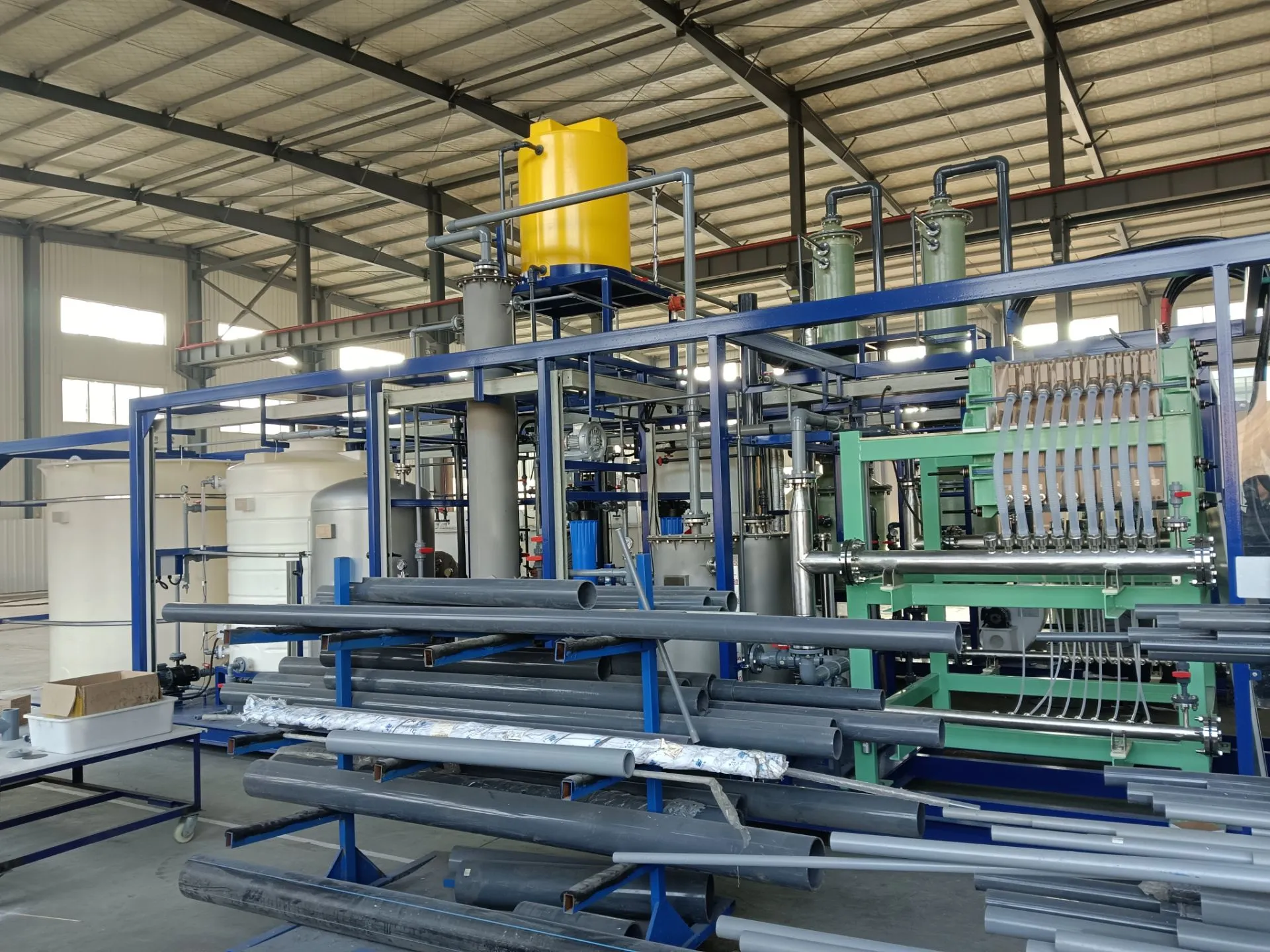
6. Chlory Professional Advantages for Safe & Stable Equipment Operation
As a professional manufacturer focusing on water treatment disinfection equipment and supporting chemical solutions,Chloryrelies on 25 years of industry experience to provide customers with full‑cycle safe operation solutions for sodium hypochlorite generators. Our equipment adopts fully automatic intelligent control system, which realizes automatic constant current electrolysis, automatic hydrogen exhaust and over‑limit alarm, effectively reducing manual operation risks. The modular design makes equipment maintenance and fault detection more convenient, realizing rapid troubleshooting and stable operation recovery.
In addition to high‑quality equipment supply, we provide standardized operation training, regular after‑sales inspection and customized maintenance schemes. From equipment installation and commissioning, daily operation guidance to regular maintenance and emergency disposal training, we help users establish a complete safety management system, ensure the long‑term stable, efficient and safe operation of sodium hypochlorite generators, and provide reliable water disinfection guarantee for municipal water supply, industrial environmental protection and aquaculture projects.
Conclusion
The safe and stable operation of a sodium hypochlorite generator depends on standardized installation environment, standardized operating procedures, systematic daily maintenance and perfect emergency prevention mechanism. Scientific safety management can not only eliminate flammable gas accumulation, liquid leakage, equipment damage and other hidden dangers, but also maintain stable disinfection effect and reduce equipment failure rate and operation cost. Adhering to safe and standardized operation is the key to long‑term service of water treatment disinfection equipment. With mature technology, standardized management experience and professional after‑sales service, Chlory provides global users with one‑stop safe operation solutions for sodium hypochlorite generators, ensuring efficient, stable and compliant water disinfection work.