


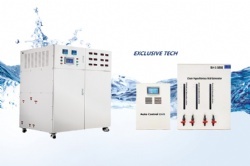
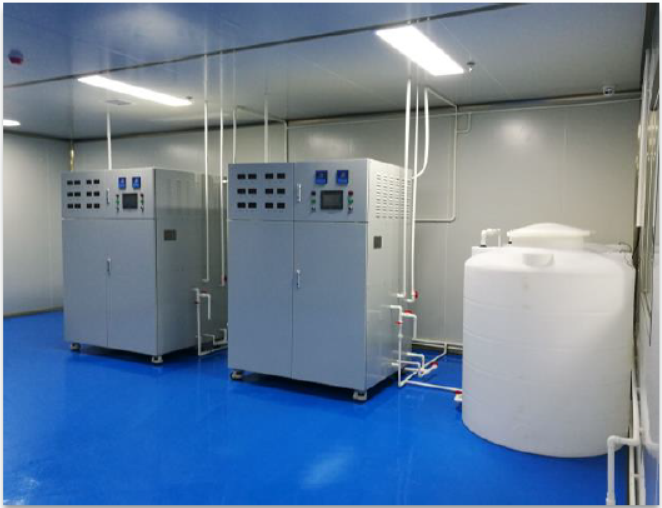
Hypochlorous acid (HClO) generators have become a staple for food safety and disinfection across global industries, with salt-electrolytic (NaCl) models emerging as the most widely adopted solution for their cost-efficiency and ease of use. While the acidic HClO disinfectant produced is well-known for its 99.99% broad-spectrum bactericidal effect, the alkaline electrolyzed water (a byproduct rich in sodium hydroxide, NaOH) from these generators is an underutilized asset—especially in food processing. This "one machine, two liquids" technology delivers dual value: powerful disinfection from HClO and industrial-grade cleaning from alkaline solution, revolutionizing food processing operations by enhancing safety, reducing costs, and boosting operational efficiency.
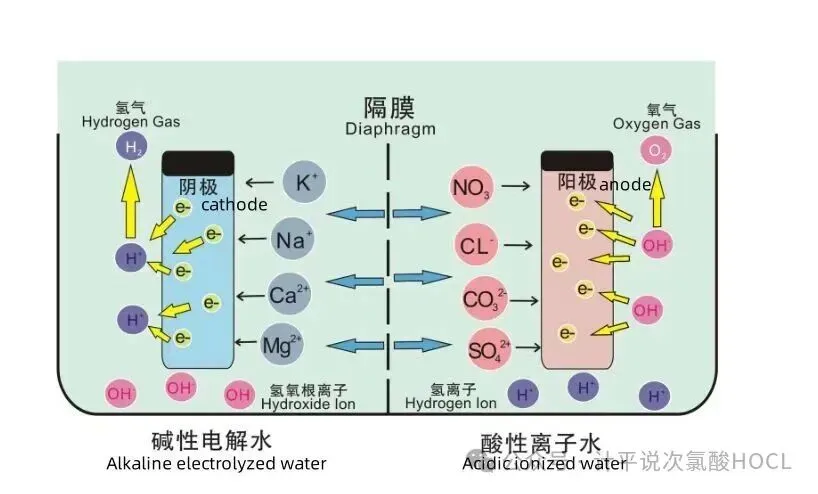
Salt-electrolytic HClO generators use advanced membrane electrolysis technology to split food-grade salt water into two high-value solutions at the cathode and anode:
- Anode: Acidic hypochlorous acid (HClO) solution—an effective, residue-free disinfectant for surface and equipment sterilization.
- Cathode: Alkaline electrolyzed water (NaOH)—a non-toxic, biodegradable cleaning agent with exceptional degreasing, decontamination, and pesticide residue removal properties.
Together, these two solutions create a closed-loop cleaning and disinfection system, eliminating the need for multiple chemical cleaners and disinfectants in food processing facilities.
Alkaline Electrolyzed Water: The Unsung Cleaning Hero for Food Processing
Alkaline electrolyzed water is produced at the cathode during the salt electrolysis process, rich in hydroxide ions (OH⁻) that drive its powerful cleaning capabilities. Unlike traditional chemical cleaners, it is mild, non-corrosive, and residue-free—critical for food processing, where chemical contamination risks are a top concern. Its core strength lies in targeted action against the most common food processing contaminants: organic grease, protein deposits, and pesticide residues—all without leaving harmful residues on food contact surfaces or products.
The cleaning efficacy of alkaline electrolyzed water is directly tied to its pH value (and corresponding NaOH concentration), with tailored applications for every food processing scenario. Below is a standardized guide for optimal use in food manufacturing facilities, aligned with global food safety standards (FDA, EFSA, ISO 22000):
Alkaline Solution Concentration & Target Food Processing Applications
| pH Range | NaOH Concentration | Primary Food Processing Applications | Detailed Usage & Benefits |
|---|---|---|---|
| 8.5–9.5 | ~0.03–0.3 ppm | Pre-cleaning & Soaking (Fruits/Vegetables, Utensils) | Fruit & vegetable pre-wash: Soak produce to remove surface dirt, dust, and water-soluble pesticide residues—gentle enough to preserve produce texture and freshness.Utensil rinse: Pre-rinse knives, trays, and small tools to loosen light food residue, improving the efficiency of subsequent deep cleaning. |
| 10.0–11.5 | ~1–30 ppm | Core CIP Cleaning & General Sanitation | Clean-in-Place (CIP) for equipment: Circulate through pipes, storage tanks, conveyors, and mixers to break down and strip organic grease, protein deposits, and sugar films—eliminating biofilm formation on food contact surfaces.Facility sanitation: Mop floors, clean walls, and unclog drainpipes to remove greasy buildup and food waste, reducing pest and bacteria risks.Food tool soaking: Soak cutting boards, mixing bowls, and processing tools to dissolve stubborn food residue without scratching or corroding surfaces. |
| >11.5 | 30+ ppm | Heavy Degreasing & Pesticide Residue Degradation | Heavy oil removal: Deep clean fryers, commercial grease extractors, ovens, and grills—common in meat, bakery, and ready-to-eat food processing.Pesticide residue degradation: Neutralize organophosphorus pesticides on fruits, vegetables, and raw agricultural products by breaking chemical bonds, converting toxic residues into non-toxic, water-soluble compounds. |
How Alkaline Electrolyzed Water Works for Food Processing Cleaning
The cleaning power of alkaline electrolyzed water stems from three key chemical reactions, all of which are safe for food processing and environmentally friendly—no harmful fumes or byproducts are produced:
- Saponification: The sodium hydroxide in alkaline water reacts with animal and vegetable fats (the main component of food processing grease) to form water-soluble fatty acid salts and glycerol. These byproducts are easily rinsed away with water, leaving no greasy residue on equipment or surfaces.
- Protein Hydrolysis: The alkaline environment disrupts the molecular structure of protein deposits (common in meat, dairy, and seafood processing), breaking them down into soluble peptides and amino acids. This makes even baked-on or dried protein residue easy to remove without abrasive scrubbing.
- Pesticide Degradation: Strong alkaline conditions (pH >11.5) accelerate the hydrolysis of organophosphorus and carbamate pesticides—two of the most widely used agricultural pesticides. This reaction breaks the pesticides’ toxic chemical bonds, reducing their toxicity by up to 90% and making produce safer for processing and consumption.
Real-World Food Processing Success: European Fish Processing Plant Application
Our customized salt-electrolytic HClO generators have been deployed in European fish processing plants (a high-grease, high-safety industry) with a 1:1 acid-to-alkaline solution ratio—delivering transformative results for operational efficiency and food safety:
- The acidic HClO solution is used to disinfect fish carcasses, processing equipment, and facility surfaces, eliminating harmful pathogens like E. coli, Salmonella, and Listeria without leaving residue on fish products.
- The alkaline NaOH solution is then used to clean grease buildup on processing lines, cutting tables, and factory floors, and even unclog grease-coated drainpipes—eliminating the need for separate degreasers and drain cleaners.
This seamless integration of cleaning and disinfection has cut the plant’s chemical procurement costs by 60%, reduced equipment maintenance time by 40%, and ensured full compliance with EU food safety regulations (EFSA). Most importantly, it has eliminated the risk of chemical cross-contamination between cleaning and disinfection steps—a common pain point in traditional food processing operations.
Why Salt-Electrolytic HClO Generators Are a Game-Changer for Food Processing
The "one machine, two liquids" technology of salt-electrolytic HClO generators addresses the biggest challenges facing modern food processing facilities, delivering economic, safety, and environmental benefits that traditional chemical cleaning and disinfection systems cannot match:
1. Dramatically Reduced Operational Costs
- Low raw material costs: The only inputs are food-grade salt and tap water—no expensive pre-formulated chemicals, disinfectants, or degreasers. Producing 1 ton of alkaline cleaning solution costs less than $1.5, a fraction of the cost of commercial food-grade cleaners.
- Eliminate multiple product purchases: Replace separate disinfectants, degreasers, pesticide removers, and drain cleaners with a single machine—cutting procurement, storage, and inventory management costs.
- Lower maintenance costs: Alkaline solution is non-corrosive to metal, plastic, and stainless steel (the primary materials in food processing equipment), reducing equipment wear and tear and extending its lifespan.
2. Enhanced Food Safety & Regulatory Compliance
- Residue-free cleaning and disinfection: Both alkaline solution and HClO break down into water and salt, leaving no harmful residues on food contact surfaces or products—critical for compliance with FDA (US), EFSA (EU), and Codex Alimentarius global food safety standards.
- Broad-spectrum protection: Combines disinfection (HClO) and decontamination (alkaline solution) to address all food safety risks—from pathogen growth to chemical contamination and pesticide residue.
- Audit-ready operations: The closed-loop system provides a traceable cleaning and disinfection process, making it easy to meet regulatory audit requirements for food processing facilities.
3. Simplified Operations & Reduced Training Costs
- One-button operation: The generator produces both alkaline and HClO solutions on-demand with no complex chemical mixing or proportioning—employees require minimal training to operate the equipment.
- On-site production: Eliminate the need for storing large quantities of hazardous chemicals on-site, reducing safety risks (e.g., chemical spills, fires) and storage space requirements.
- Dual functionality: A single machine handles all cleaning and disinfection tasks, streamlining workflow and reducing the time spent on equipment setup and teardown.
4. Environmental Sustainability
- Biodegradable byproducts: All solutions break down into non-toxic components (water, salt, oxygen), with no harmful discharge into the environment—aligning with green manufacturing and circular economy goals.
- Reduced water usage: Alkaline solution’s powerful cleaning ability requires less rinsing water than traditional chemical cleaners, cutting water consumption in food processing facilities.
- Zero hazardous waste: Eliminates the need for disposing of empty chemical containers or unused hazardous cleaners, reducing the facility’s environmental footprint.
Global Adoption: Trusted by Food Processing Industries Worldwide
Our salt-electrolytic HClO generators are exported to 30+ countries including Spain, Germany, Canada, Australia, and Saudi Arabia, and are trusted by 17+ industries—with a strong focus on food processing sectors such as:
- Fruit and vegetable processing
- Meat, seafood, and poultry processing
- Dairy and bakery manufacturing
- Ready-to-eat (RTE) food production
- Beverage and confectionery manufacturing
Every generator is engineered to meet regional food safety standards (FDA, EFSA, CE, ISO 22000) and can be customized to match the specific pH, concentration, and output needs of individual food processing facilities—from small artisanal producers to large-scale industrial plants.
Unlock the Full Potential of Your Food Processing Operation
Alkaline electrolyzed water from salt-electrolytic HClO generators is more than just a byproduct—it’s a high-value cleaning solution that transforms food processing from a cost-intensive, compliance-driven operation to an efficient, safe, and sustainable one. By adopting the "one machine, two liquids" technology, food processing facilities can:
- Boost food safety and regulatory compliance
- Cut chemical and operational costs by up to 60%
- Simplify cleaning and disinfection workflows
- Reduce environmental impact and align with green manufacturing goals
Whether you’re looking to upgrade your CIP cleaning system, eliminate pesticide residue risks, or streamline your food safety process, our customized salt-electrolytic HClO generators deliver a turnkey solution for every food processing need.
Contact us today to learn how our alkaline + HClO dual-solution technology can transform your food processing facility—with global supply, on-site technical support, and fully customized solutions for your unique operational requirements.