
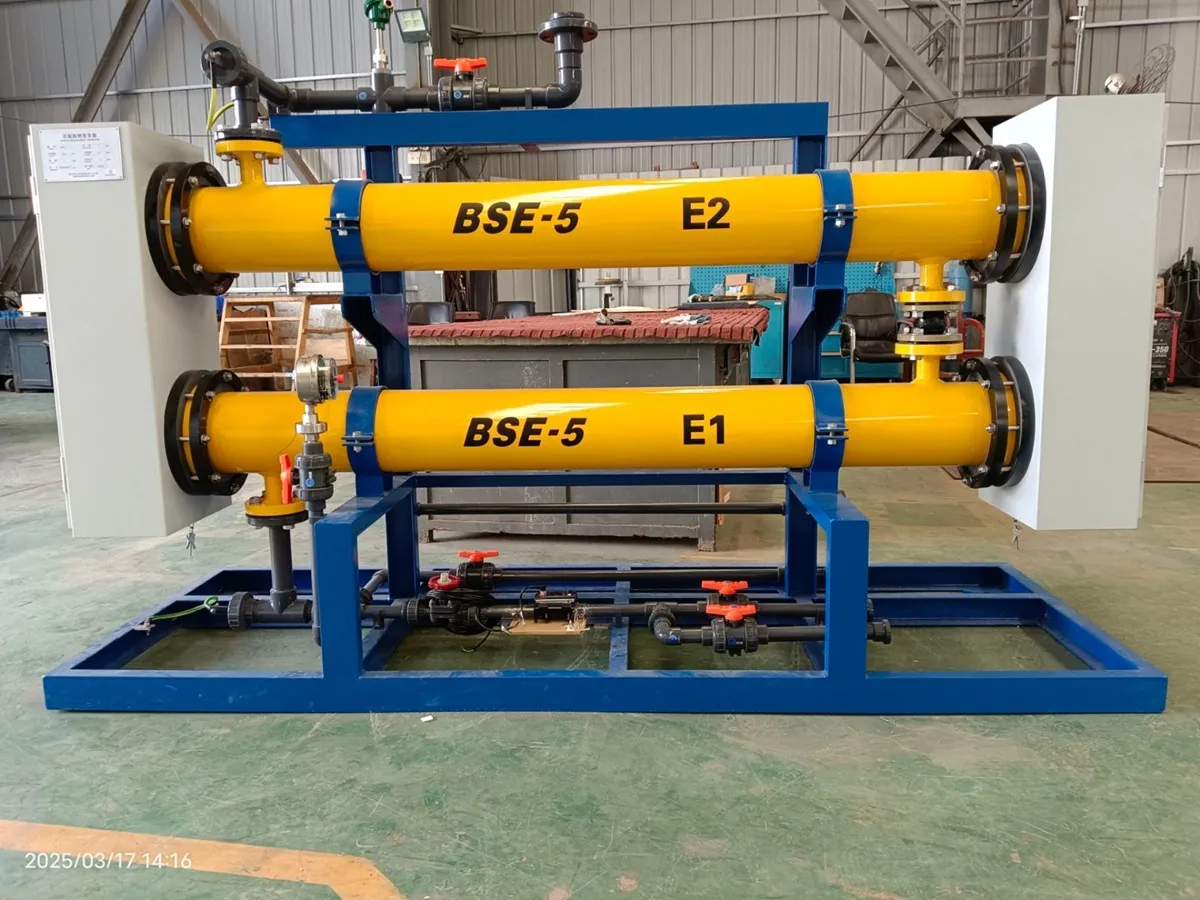
On-site seawater electrolysis has become the preferred biofouling control solution for coastal power plants, replacing hazardous bulk chemical chlorine storage and reducing cooling water treatment risks. While proven reliable in temperate zones, electrolyzer systems deployed in tropical coastal power sites face a unique set of harsh operating conditions that threaten stability, reduce electrode lifespan and push up unplanned maintenance. High seawater temperature, seasonal turbidity swings, accelerated bioactivity and aggressive humidity combine to create operational headaches that standard electro-chlorinator designs often fail to handle.
For EPC contractors, plant owners and O&M teams working on tropical power projects, recognising these location-specific pain points is the first step to building resilient, low-OPEX disinfection systems for cooling circuits.
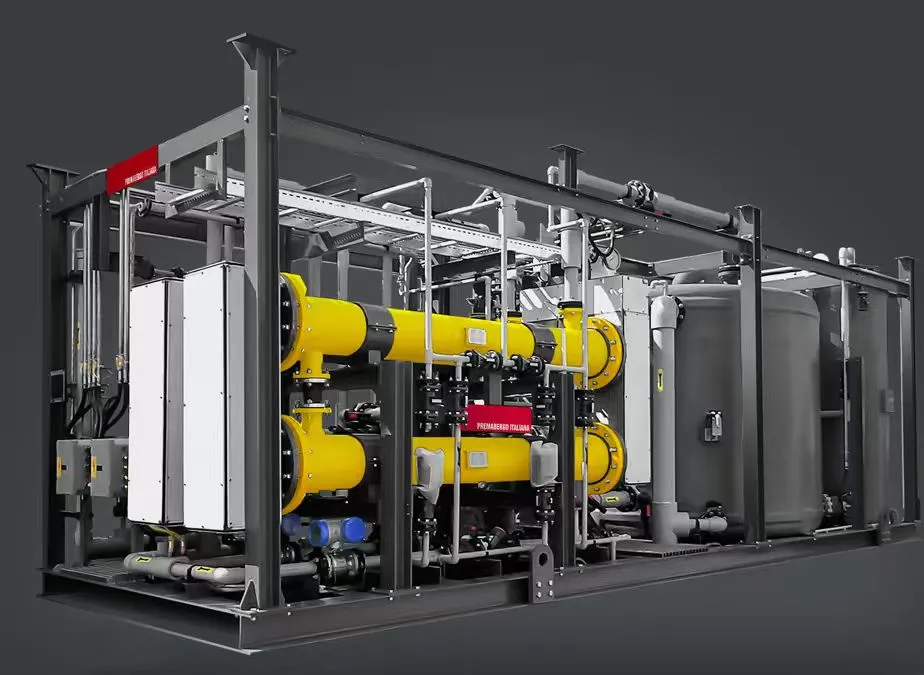
Accelerated Electrode Degradation Under Constant High Seawater Temperature
Tropical seawater normally runs above 28–32°C year-round, far warmer than the temperate baseline most standard electrolyzer designs reference. Elevated water temperature speeds up electrochemical side reactions, increases coating erosion on DSA (dimensionally stable anodes) and shortens the service life of precious metal coatings. Systems that deliver 4–5 years of anode service life in cooler coastal waters may see that cycle drop sharply without tropical-optimised coating formulations.
Heat also shifts hypochlorite stability: generated HOCl decomposes faster in warm water, lowering effective chlorine residual reaching the cooling intake and forcing operators to raise current setpoints to compensate. Higher current density in turn creates a vicious cycle of extra heat generation and faster electrode wear. Poor cabinet ventilation under hot, sunny ambient conditions can further damage rectifiers, PLC modules and sensor electronics.
Intensified Biofouling and Seasonal Turbidity Fluctuations
Warm tropical marine environments support explosive growth of algae, biofilms, barnacles and shellfish. Although electrolyzers produce chlorine to control macrofouling at plant intakes, the electrolyzer itself becomes a vulnerable surface. Rapid biofilm formation on electrode surfaces insulates active reaction areas, raising cell voltage and cutting current efficiency.
Monsoon and rainy seasons bring another major variable: surging turbidity, suspended silt, organic debris and runoff from coastal catchments. Fine sediment settles on cathode plates, mixing with magnesium and calcium precipitates to form composite scaling. Unlike hard mineral scale alone, organic-laden deposits are harder to remove with standard periodic cleaning, and uneven fouling creates hot spots that trigger localised corrosion. Many tropical coastal sites also experience periodic red tides or algal blooms, adding organic loading that stresses the whole electrolysis loop.
Cathodic Scaling Risk Aggravated by Tropical Water Chemistry
Seawater electrolysis generates alkaline conditions directly at cathode surfaces, precipitating magnesium hydroxide and calcium carbonate scale. In tropical regions, higher salinity in enclosed bays, lagoons or shallow nearshore zones amplifies this scaling tendency. If left unchecked, scale layers block electrolyte flow, increase cell resistance and trigger frequent high-voltage alarms.
Traditional acid cleaning brings its own risks in tropical sites: frequent chemical cleaning degrades anode coatings and seals, while improper waste discharge may breach local environmental regulations for coastal waters. Automated anti-scaling sequences, polarity reversal and optimized flow velocity become non-negotiable features rather than optional add-ons.
Corrosion, Humidity and Environmental Stress on Balance of Plant
High relative humidity, salt spray and frequent dew formation in tropical coastal yards attack non-electrode components. Gaskets, seals, pipe flanges, sampling lines and electrical enclosures suffer premature ageing. Standard IP ratings may be insufficient where salt-laden moisture penetrates cabinets, causing terminal corrosion and intermittent signal faults from ORP, flow and chlorine sensors.
Local logistics and O&M compound the problem. Remote tropical power locations often lack readily available specialist service teams, spare electrode inventory and calibrated analytical tools. A minor electrolyzer fault can cascade into cooling system fouling, condenser efficiency loss and forced derating if corrective action is delayed.
Practical Design and O&M Strategies for Tropical Deployments
Successful tropical seawater electrolysis installations start with climate-adapted design. Select high-performance ruthenium‑iridium anode coatings rated for continuous high-temperature operation, specify properly de-rated rectifiers and install climate-controlled, salt-air filtered electrical cabinets. Upstream pre-filtration is critical to reduce incoming turbidity and solids before seawater enters electrolyzer cells.
Smart control logic helps stabilise performance: adaptive chlorine setpoints linked to real-time seawater temperature and turbidity, automatic polarity reversal for scale mitigation, and scheduled maintenance windows aligned before monsoon seasons. Operators should establish trending logs for cell voltage, residual chlorine and differential pressure to spot fouling or coating degradation early. Localised spare parts stocking and training for site O&M teams also reduce downtime exposure.
Closing Thoughts
Seawater electrolysis remains a safe, cost-effective fouling control technology for tropical coastal power facilities — but one-size-fits-all equipment cannot match tropical marine conditions. The most robust systems combine corrosion-resistant materials, temperature-aware control, robust pre-treatment and site-specific maintenance schedules. Partnering with a water treatment vendor experienced in tropical power electrochlorination projects helps owners avoid costly retrofits and preserve reliable cooling water performance over the plant lifecycle.