


In the food processing industry, sanitation is not just a regulatory requirement—it’s the foundation of trust between manufacturers and consumers. Every step, from raw material handling to final packaging, carries the risk of microbial contamination that can compromise food safety, damage brand reputation, and lead to costly recalls. For decades, food processors have relied on harsh chemical sanitizers that often come with trade-offs: strong odors, equipment corrosion, or residual concerns. Today, hypochlorous acid (HOCl) water has emerged as a game-changing alternative, offering unparalleled efficiency, safety, and compliance—making it the ideal sanitation solution for modern food processing plants.
Why Hypochlorous Acid Water Stands Out in Food Factory Sanitation
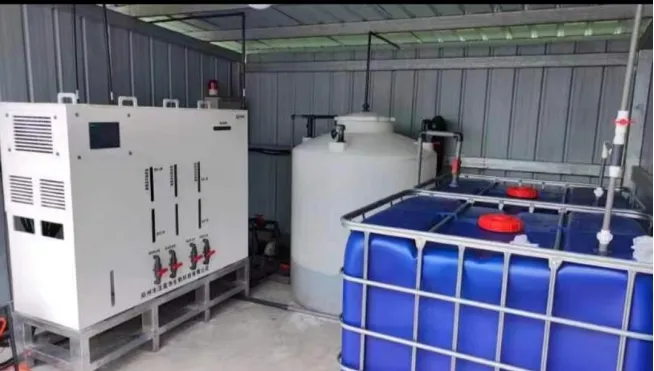
Hypochlorous acid water is a mild yet powerful disinfectant naturally produced by the human immune system to fight pathogens—and when generated through electrolysis (using only water, salt, and electricity), it becomes a safe, sustainable tool for food sanitation. Unlike traditional sanitizers like sodium hypochlorite (bleach) or quaternary ammonium compounds (quats), hypochlorous acid water delivers three key advantages that address the unique needs of food processing:
First, it boasts exceptional bactericidal efficiency. As a neutral, uncharged molecule, HOCl easily penetrates the cell walls of microorganisms—including common foodborne pathogens like Listeria monocytogenes, Escherichia coli (E. coli), and Salmonella—destroying their enzymes and genetic material in seconds. Studies show it is 80 to 100 times more effective than bleach at the same concentration, achieving a 99.999% kill rate for most pathogens within minutes. Second, it is inherently safe for food contact. Unlike harsh chemicals that leave toxic residues or alter food flavor and color, HOCl breaks down into water and trace salt after use, leaving no harmful byproducts. It is non-irritating to skin and mucous membranes, eliminating the need for heavy personal protective equipment (PPE) during application. Third, it is environmentally friendly and cost-effective. On-site generation via hypochlorous acid generators eliminates the need for transporting, storing, and disposing of hazardous chemical containers, reducing carbon footprint and operational costs significantly.
Compliance You Can Trust: Meeting Global Food Safety Standards
Food processing plants operate under strict regulatory scrutiny, and choosing a sanitizer that meets international standards is non-negotiable. Hypochlorous acid water is fully compliant with major global food safety regulations, providing peace of mind for manufacturers:
In the United States, the FDA has approved hypochlorous acid for direct contact with meat, poultry, fish, seafood, fruits, and vegetables, with a maximum concentration of 60 ppm for food contact applications—and up to 200 ppm for food-contact surface sanitization, as approved by the EPA. The USDA also includes electrolytically generated hypochlorous acid on its “safe and suitable” ingredients list for meat, poultry, and egg products. In China, national standards such as GB 28234-2020 and GB 36758-2018 explicitly authorize hypochlorous acid for food processing equipment, surfaces, and even direct food contact, thanks to its “human-contact level” safety. Internationally, Japan’s Ministry of Health, Labor and Welfare has approved HOCl as a food additive for preservation, further validating its safety for food applications.
Practical Applications of Hypochlorous Acid Water in Food Processing Plants
Hypochlorous acid water’s versatility makes it suitable for every critical sanitation step in a food processing plant, from raw material cleaning to post-production equipment sanitization. Here are its most common and impactful uses:
Raw Material Sanitization: Soaking or spraying fruits, vegetables, meat, and seafood with hypochlorous acid water (≤60 ppm) effectively removes surface pathogens, pesticide residues, and dirt—without damaging the food’s texture, color, or flavor. For aquatic products, it also oxidizes trimethylamine, reducing unpleasant fishy odors and improving sensory quality.
Equipment and Surface Disinfection: Conveyor belts, slicing blades, workbenches, and storage containers are hotspots for microbial growth and biofilm formation. Spraying or wiping these surfaces with HOCl water (80-100 ppm) eliminates biofilms and pathogens, preventing cross-contamination between batches. Unlike bleach, it does not corrode stainless steel or degrade equipment seals, extending the lifespan of costly processing machinery.
Food Contact Utensils Sanitization: Knives, cutting boards, and food containers can be soaked in hypochlorous acid water to ensure complete disinfection, eliminating the risk of pathogen transfer during food preparation. Since HOCl leaves no residue, no additional rinsing is required—saving time and reducing water waste.
Employee Hand Sanitization: Food safety starts with worker hygiene. Hypochlorous acid water is gentle on hands (non-irritating and non-drying) while providing effective disinfection, making it an ideal alternative to alcohol-based sanitizers for frequent use throughout shifts.
Packaging Material Sanitization: Before filling, plastic pallets, glass bottles, and food packaging films can be sprayed with HOCl water to kill surface microorganisms, ensuring the final product remains contamination-free from packaging to consumer.
The Future of Food Factory Sanitation: Hypochlorous Acid Water as a Strategic Investment
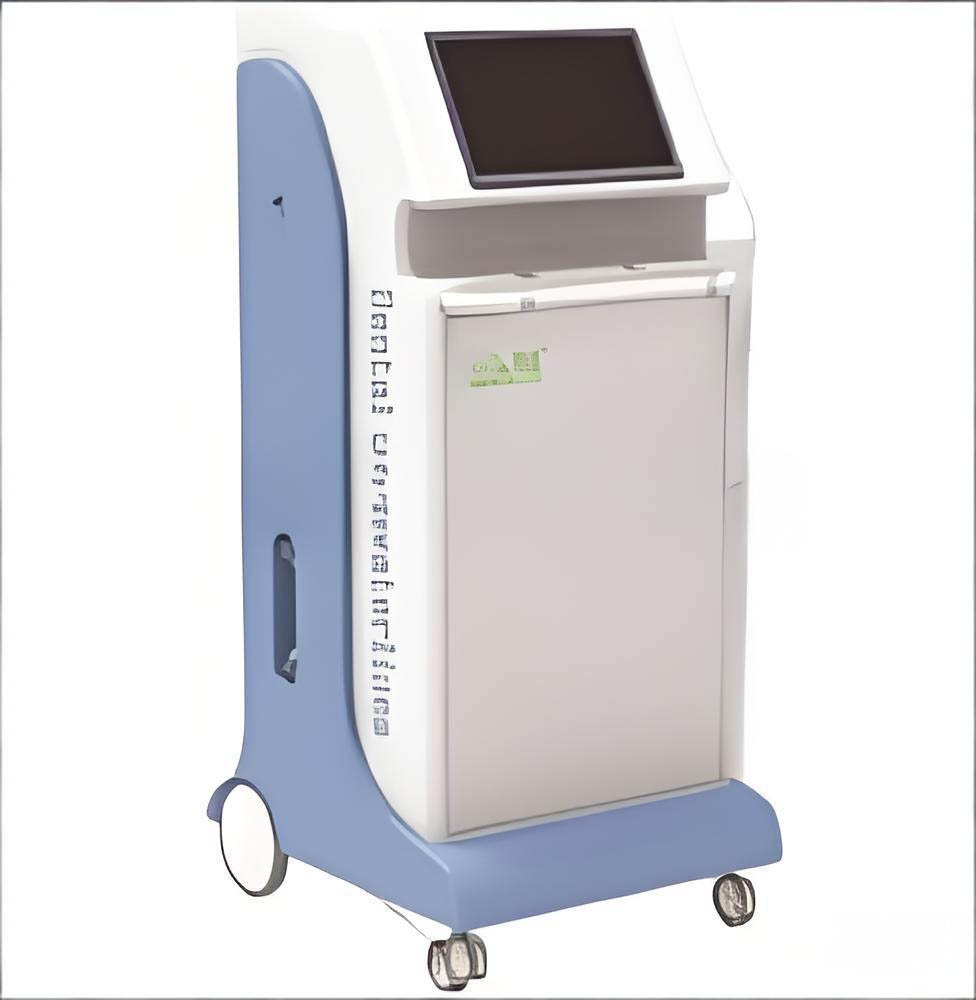
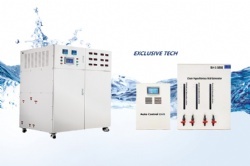
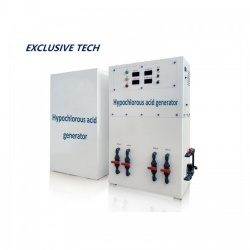
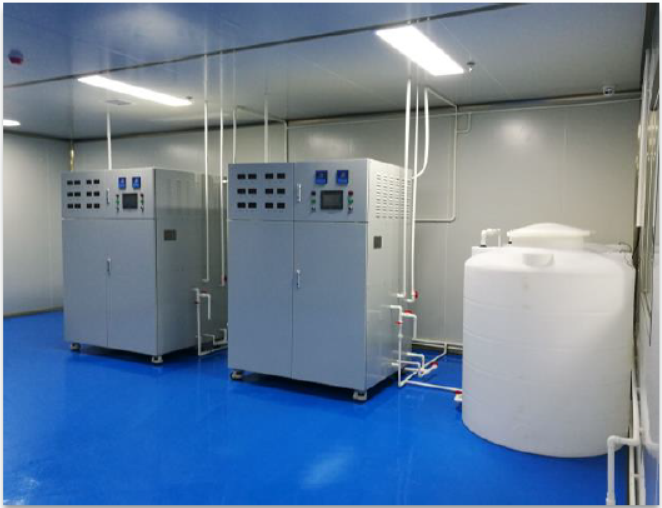
As food safety regulations become stricter and consumer demand for “clean label” products grows, food processing plants need sanitation solutions that balance efficiency, safety, and sustainability. Hypochlorous acid water checks all these boxes—and more. By adopting on-site HOCl generation, plants can reduce operational costs (eliminating chemical transport and storage fees), minimize environmental impact (no hazardous waste), and enhance product quality (extended shelf life by 30-50% through reduced microbial load).
For water treatment companies partnering with food processors, hypochlorous acid water represents an opportunity to deliver value beyond basic water purification. By providing turnkey HOCl generation systems and expertise, you can help food manufacturers meet regulatory requirements, protect their brands, and deliver safer products to consumers.