
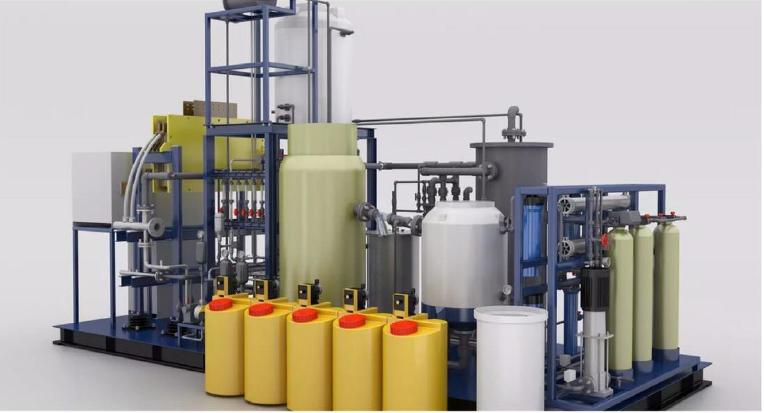

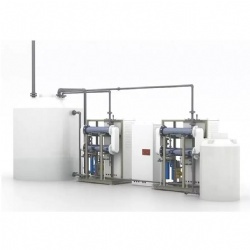
Traditional sodium hypochlorite (NaClO) production relies on salt and water electrolysis, with chlorine and hydrogen gas — hazardous byproducts — typically treated and discharged. This wasteful process drives up production costs and creates environmental processing burdens. An innovative approach leverages chlorine condensate (chlorine water) and hydrogen condensate (byproducts of chlor-alkali production) to prepare sodium hypochlorite solution by mixing with caustic soda. This method not only recycles industrial waste streams but also reduces production costs and enhances NaClO solution stability — a game-changer for the chlor-alkali and disinfection chemical industries. This paper details the preparation process, experimental verification, and practical advantages of this condensate-based NaClO production method.
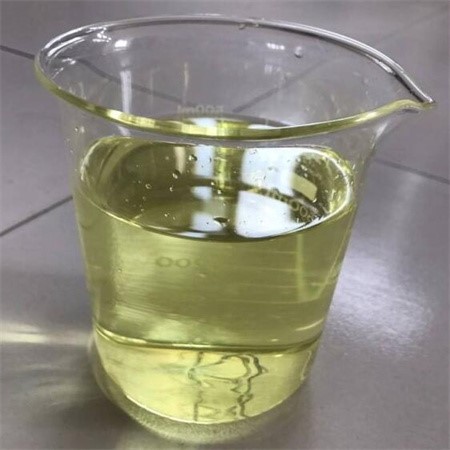
Chlorine Condensate (Chlorine Water): A Valuable Recyclable Byproduct
Chlorine condensate, commonly known as chlorine water, is a water byproduct separated during the moisture removal process of wet chlorine gas in chlor-alkali production. Electrolysis-generated chlorine gas has high moisture content and corrosivity, requiring cooling and sulfuric acid absorption for purification — a step that produces chlorine water with high dissolved free chlorine content.
Traditional Chlorine Water Treatment: High Cost & Resource Waste
Historically, chlorine water is classified as a harmful waste due to its corrosive free chlorine, which damages carbon steel equipment and chelating resin processes. The standard dechlorination process for ionic membrane production involves multiple energy and material-intensive steps:
1. Heat chlorine water to 85℃ with steam and add 32% hydrochloric acid to adjust pH to 1.3 (65 kPa vacuum for physical dechlorination);
2. Add 30% caustic soda to adjust pH to 9~11 after partial free chlorine removal;
3. Inject 9% sodium sulfite solution to eliminate residual free chlorine (ORP < -50mV for qualification);
4. Reuse the treated water for brine preparation.
This process prevents environmental pollution from direct discharge but incurs steep processing costs from steam, acid, alkali, and sodium sulfite consumption — a major pain point for chlor-alkali enterprises.
Hydrogen Condensate: Another Underutilized Recyclable Byproduct
Hydrogen condensate is formed by the condensation of saturated steam in electrolysis-generated hydrogen gas, a secondary byproduct of chlor-alkali production. Like chlorine water, it is traditionally only used for brine preparation, with its potential for chemical production largely untapped. Both chlorine and hydrogen condensate are free of heavy metal ions — a key characteristic that makes them ideal for optimizing sodium hypochlorite production.

Sodium Hypochlorite Stability: Key Influencing Factors & Innovation Motivation
Sodium hypochlorite is a widely used strong oxidant, bleach, and disinfectant, typically produced as a byproduct in chlor-alkali plants for waste chlorine gas treatment (compression, liquid chlorine packaging, plant exhaust). Its poor stability is a well-documented industry challenge, leading to short storage times and quality degradation.
Scholars have confirmed that temperature, light, pH value, and heavy metal ions are the primary factors affecting NaClO stability, with heavy metal ions being a critical catalyst for decomposition. Stabilizers are commonly added to neutralize metal ion effects, but this increases production costs and introduces additional additives.
Since chlorine and hydrogen condensate contain no heavy metal ions, using them to prepare caustic soda absorption solutions for waste chlorine gas absorption addresses the metal ion issue at the source. This approach not only improves sodium hypochlorite stability but also reduces NaCl content in the final product — boosting overall NaClO quality while eliminating chlorine water dechlorination costs.

Impurity Detection of Chlorine & Hydrogen Condensate: Experimental Verification
To validate the superiority of chlorine and hydrogen condensate for NaClO production, a comprehensive impurity detection experiment was conducted, with tap water as a control group. The test focused on heavy metal ion content (the key factor for NaClO stability) and chloride ion content, following national standard detection methods.
Experimental Instruments & Reagents
- Instruments: Electronic balance (AUY220), ICP analyzer (Agilent), 250mL volumetric flask, iodine volumetric flask, basic burette, pipette, automatic liquid gun
- Reagents: Sodium thiosulfate solution, potassium iodide solution, starch indicator, acetic acid solution, 3% sulfuric acid, 1+5 hydrogen peroxide solution, arsenic/lead standard solution
Detection Methods (National Standards)
1. Effective chlorine in chlorine water: Determined per GB19106-2013;
2. Heavy metal ions (Mn, Pb, Fe): Chlorine water dechlorinated with sodium sulfite, then measured via ICP analyzer;
3. Chloride ions in chlorine water: Tested per GB13025.5-2012;
4. Hydrogen condensate heavy metal/alkali content: ICP analyzer (metals) and GB/T 4348.1-2013 (alkali).
Core Test Result
Chlorine water and hydrogen condensate exhibited significantly lower heavy metal ion content than tap water. This confirms that caustic soda absorption solutions prepared with these condensates are far superior to tap water-based solutions for chlorine gas absorption — and eliminates the material/energy costs of chlorine water dechlorination.
Sodium Hypochlorite Preparation Test with Condensate: Process & Results
A controlled experiment was designed to compare NaClO production using chlorine condensate, hydrogen condensate, and tap water (all mixed with caustic soda to prepare recycled lye). The experiment measured alkali consumption, effective chlorine content, and long-term stability of the final NaClO solution to verify the feasibility and advantages of the condensate-based method.
Experimental Process
1. Absorption solution preparation: Mix a fixed volume of chlorine water/hydrogen condensate/tap water with 32% caustic soda in a set ratio, and analyze the final alkali concentration;
2. Chlorine gas absorption: Place 440mL of the prepared caustic soda solution in a conical flask (15℃ flowing cold water bath), inject chlorine gas at 15L/h (no escape via constant shaking), and react for 100min;
3. Post-reaction analysis: Test the effective chlorine and residual alkali concentration of the reaction solution;
4. Stability test: Store the solution in a brown reagent bottle (naturally ventilated workshop, scattered light, open mouth with 5cm shield) for 15 days, then re-analyze effective chlorine content.
Key Experimental Results
1. Effective chlorine consistency: No significant difference in effective chlorine content among the three groups (negligible in industrial production), meaning condensate use does not compromise core NaClO product performance;
2. Superior stability: NaClO solution prepared with chlorine/hydrogen condensate had far better stability than the tap water group after 15 days of storage;
3. Cost & energy savings: Condensate-based production eliminates steam, hydrochloric acid, caustic soda, and sodium sulfite consumption for chlorine water dechlorination — achieving energy saving and consumption reduction — and increases brine utilization in the chlor-alkali process.
Critical Operational Note
When preparing the absorption solution with chlorine water, account for the exothermic reaction between chlorine and alkali. Strictly control chlorine water temperature during mixing to prevent free chlorine volatilization and ensure reaction efficiency and safety.

Core Advantages of NaClO Preparation with Chlorine & Hydrogen Condensate
This innovative production method recycles chlor-alkali byproducts and addresses two major industry pain points (high treatment costs, poor NaClO stability), delivering multiple practical advantages for industrial application:
1. Cost reduction: Eliminates chlorine water dechlorination costs (steam, acid, alkali, sodium sulfite) and recycles waste condensate streams;
2. Enhanced stability: Heavy metal-free condensate eliminates the main catalyst for NaClO decomposition, extending product storage time without additional stabilizers;
3. Improved product quality: Reduces NaCl content in the final solution while maintaining standard effective chlorine levels;
4. Resource recycling: Turns hazardous industrial byproducts (chlorine water) into valuable raw materials, aligning with green manufacturing and circular economy goals;
5. Increased brine utilization: Boosts brine usage in the alkali-making process, improving overall chlor-alkali production efficiency.
Industrial Application Prospects
The condensate-based sodium hypochlorite preparation method is a practical, cost-effective innovation for the chlor-alkali industry, with broad application prospects for enterprises producing NaClO as a byproduct or main product. It is particularly suitable for large-scale chlor-alkali plants with high chlorine/hydrogen condensate output, as it can be easily integrated into existing production lines with minimal modification — no large-scale equipment investment required.
In addition to cost and stability benefits, this method also reduces environmental waste discharge, helping enterprises meet increasingly stringent environmental protection standards and achieve sustainable production. As the demand for sodium hypochlorite (a green disinfectant) grows in water treatment, food processing, and public health, this innovative production process will become a key competitive advantage for chlor-alkali and disinfection chemical enterprises.
Reprinted from: Chlor-Alkali Industry, Volume 60, Issue 9, September 2024
Whatsapp: +86 18610563976
Official Website: https://www.bluewav.com