

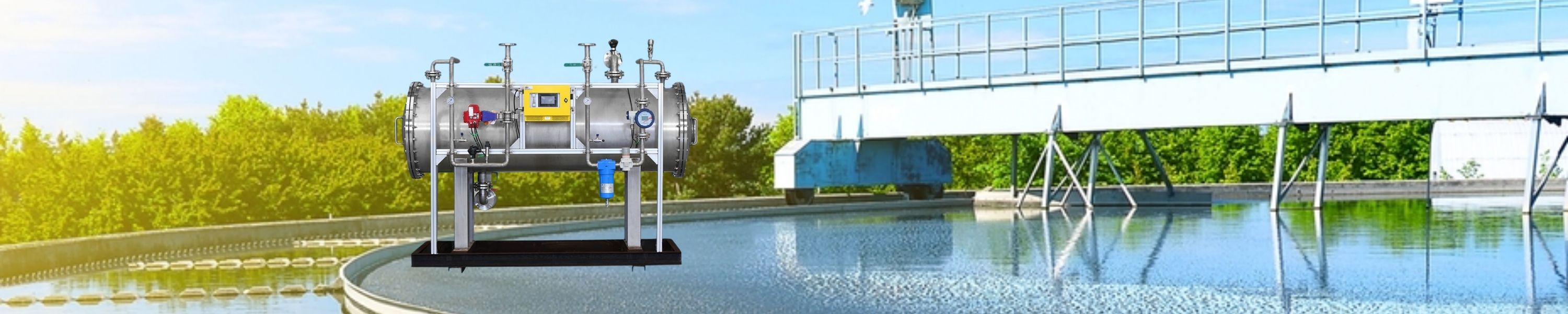
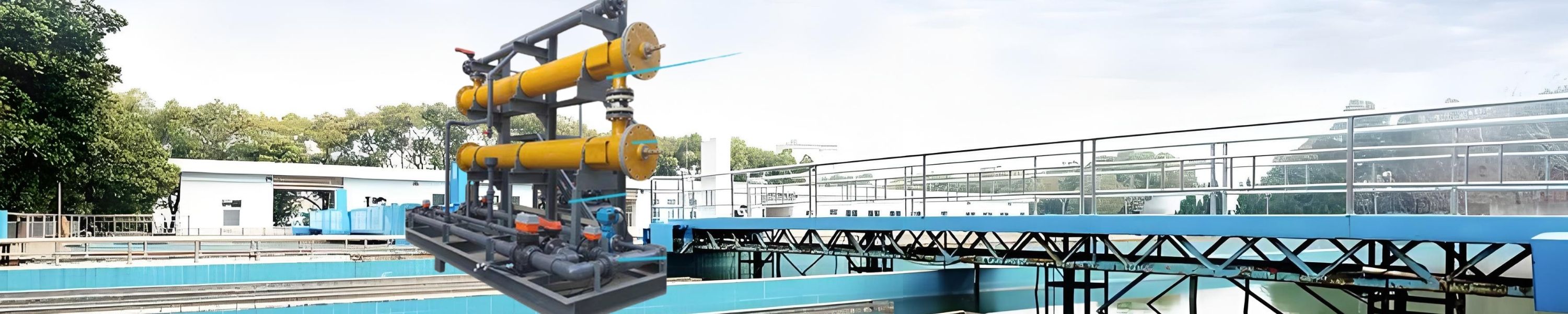

Water scarcity is a global crisis, andsewage recyclinghas become a cornerstone solution for sustainable water resource management. A critical step in sewage reuse is disinfection—this process safeguards water quality by inactivating pathogenic microorganisms, and the choice of disinfection technology directly impacts safety, cost, and environmental impact. Traditional chlorine disinfection has long been the go-to for wastewater treatment due to its low cost and broad-spectrum efficacy, but it produces harmful disinfection byproducts (DBPs) like trichloromethane and haloacetic acids. For industrial and domestic water treatment facilities seeking a safer, more efficient alternative,ozone-sodium hypochlorite combined disinfectionemerges as a game-changing solution. This synergetic method merges the strengths of two disinfectants, addresses the flaws of single disinfection approaches, and is rapidly becoming a preferred choice for compliant, eco-friendly water treatment—especially for sewage reuse projects.
What is Ozone-Sodium Hypochlorite Combined Disinfection?
Ozone-sodium hypochlorite combined disinfection is a hybrid water treatment process that integrates ozone’s rapid, byproduct-free disinfection with sodium hypochlorite’s persistent residual chlorine protection. Unlike standalone disinfection methods, this combination resolves the key limitations of each individual agent:
- Ozone disinfection: delivers fast, on-site pathogen inactivation, produces no toxic DBPs, boosts dissolved oxygen in water, and decomposes naturally into oxygen—eliminating aquatic toxicity risks. It is highly cost-effective for facilities with on-site air compressors and low electricity costs.
- Sodium hypochlorite: provides criticalcontinuous disinfection capacity, a gap in ozone’s performance (ozone degrades quickly and cannot protect water in distribution networks). A small dose maintains stable residual chlorine levels, ensuring long-term microbial control.
The result is a disinfection process that isfast-acting, low in DBPs, cost-efficient, and sustainable—with high feasibility for domestic sewage treatment stations and untapped potential for industrial water treatment applications.
Key Benefits of Ozone-Sodium Hypochlorite Combined Disinfection for Water Treatment
When compared to conventional single disinfection methods (chlorine, chlorine dioxide, UV, standalone ozone), the ozone-sodium hypochlorite hybrid approach offers distinct advantages for water treatment and sewage reuse:
- Minimal disinfection byproducts (DBPs): Eliminates the high levels of toxic DBPs associated with pure chlorine disinfection, meeting strict environmental and water quality standards.
- Synergistic disinfection efficiency: Ozone’s rapid pathogen kill (in minutes) paired with sodium hypochlorite’s residual protection ensures comprehensive microbial control from treatment to distribution.
- Eco-friendly operation: Ozone decomposes to oxygen, increasing dissolved oxygen in water and avoiding aquatic ecosystem harm; sodium hypochlorite dosing is precise and low-volume.
- Cost-effectiveness: Leverages on-site industrial infrastructure (air compressors) for ozone generation, reducing operational costs; redundant design ensures reliable performance with minimal downtime.
- Compliant water reuse: Meets strict microbial indicators (e.g., total coliform limits) for reclaimed water, supporting safe sewage recycling for industrial and municipal use.
Ozone-Sodium Hypochlorite Combined Disinfection Process Flow
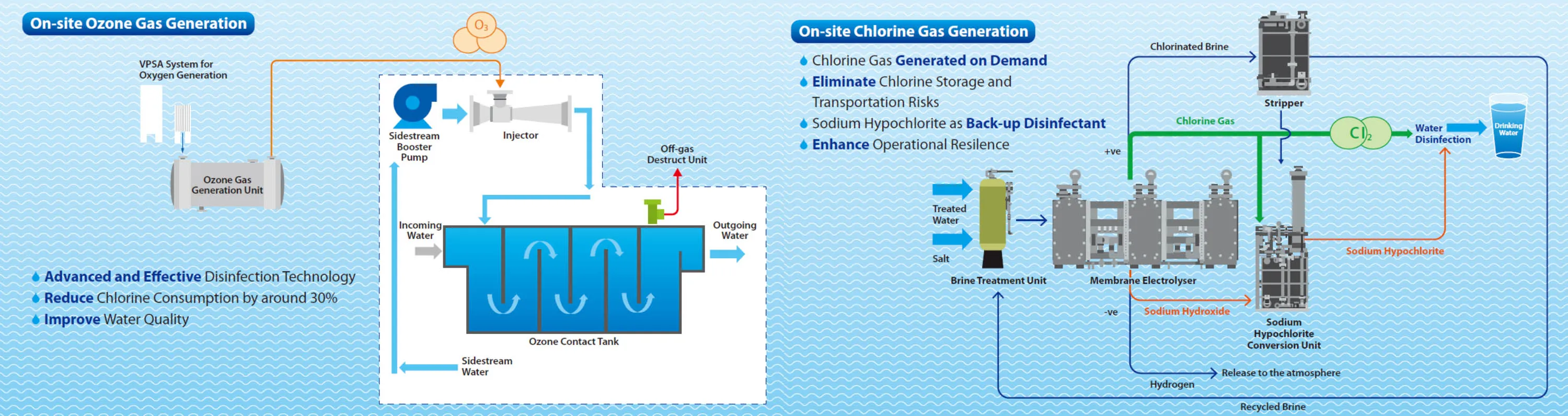
The implementation of this combined disinfection technology follows a streamlined, industrial-grade process designed for optimal efficiency and ease of integration into existing water treatment plants:
- Effluent from thevalveless filteris directed to the ozone contact pool—the core treatment vessel.
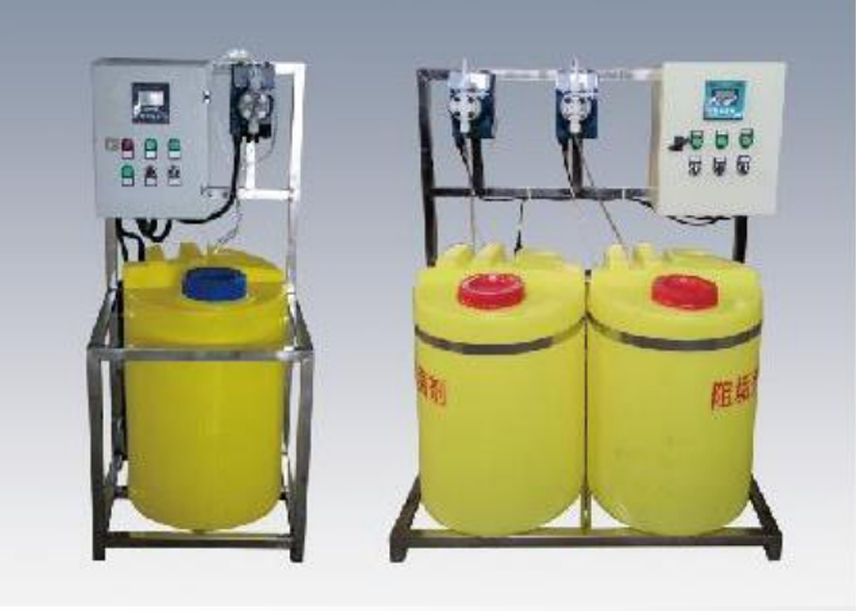
- An ozone generator injects ozone into the pool via bottom-mounted aeration plates for primary disinfection; sodium hypochlorite is dosed simultaneously into the pool’s inlet pipe for auxiliary disinfection.
- Ozone and sodium hypochlorite react with water in the contact pool to inactivate pathogens and establish residual chlorine levels.
- Disinfected water flows into theintermediate tankbefore being pumped to industrial/municipal water consumption points via a reclaimed water pumping station.
This closed-loop process is modular and can be adapted to the flow rates and space constraints of most sewage treatment facilities.
Ozone Disinfection System Design & Specifications
The ozone system is the backbone of the combined disinfection process, with strict design and purification standards to ensure stable ozone generation and operational safety. Below are the critical components and technical specifications for industrial-scale implementation:
Air Source System Requirements
Ozone generators use dry air, liquid oxygen, or on-site oxygen as feed gas (air is the most cost-effective choicefor most projects). Feed gas must be highly purified to avoid ozone generator damage and inefficient production—impurities like moisture, dust, and oil hinder ozone formation. The mandatory feed gas standards are:
- Dew point: Below -50°C (minimizes water content)
- Oil content: ≤0.01mg/m³ (21°C)
- Impurity particle size: <0.1mm (preferably <0.01μm)
- Temperature: ≤25°C (≤35°C for special conditions)
- Stable pressure: To support consistent ozone dosing
Ozone Preparation Room & Dosing Calculations
The ozone preparation room is installedabove the ozone contact poolto save land (a key consideration for compact sewage treatment stations) and houses two sets of ozone generators (for redundancy) plus power distribution, automatic control, and safety exhaust systems.- Recommended ozone dosage: 5–15mg/L (perWater Supply and Drainage Design Manual: Urban Drainage Volume);5mg/Lis the optimal design concentration for bacterial inactivation and cost efficiency (backed by scientific research).
- Example sizing: For a maximum hourly water flow of 180m³, the required ozone output is 900g/h—two 500g/h ozone generators are selected to ensure operational reliability.
Full Ozone System Configuration
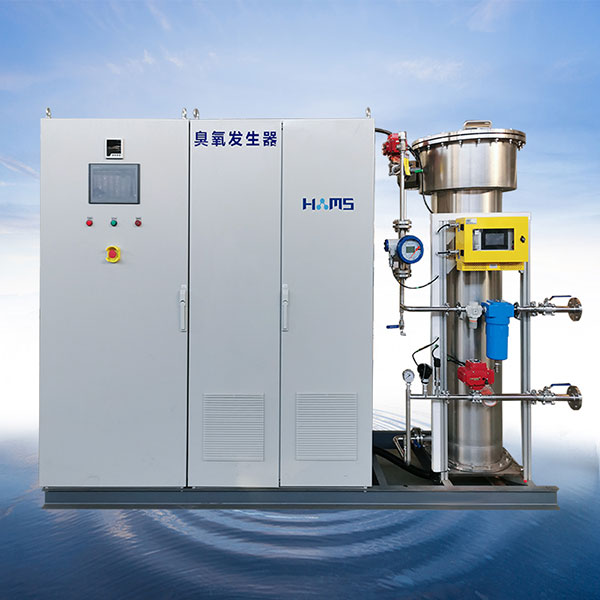
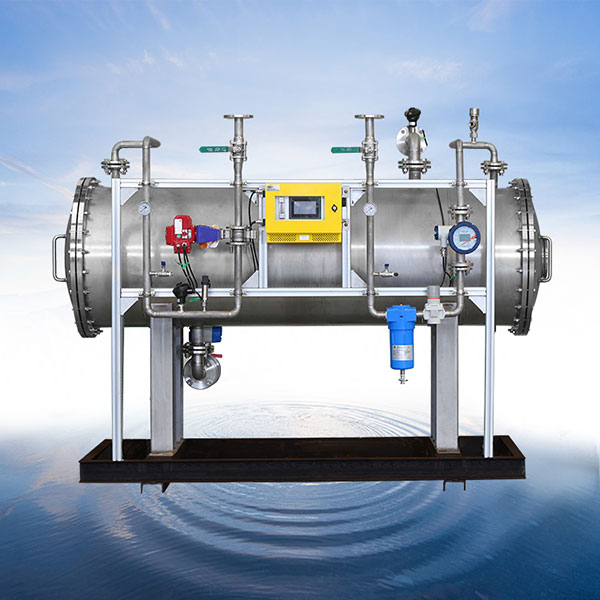
A complete industrial ozone system includes 5 core components, each engineered for purification, generation, and safety:- Air source treatment system: Freeze dryers + adsorption dryers for multi-stage purification; removes >1μm dust, water mist, oil mist, and free water to meet feed gas standards.
- Ozone generator: Converts high-purity oxygen to ozone via medium-frequency high-voltage discharge; features real-time temperature, pressure, and flow monitoring.
- Cooling water system: Non-circulating factory primary water (10–20°C, 5–10m³/h flow) for generator cooling; discharged directly to the intermediate tank for simplicity.
- Ozone dosing system: Microporous aeration plates for full ozone-water contact and mass transfer in the contact pool.
- Tail gas destruction system: Heating-catalysis technology decomposes residual ozone (to <0.1mg/m³) for safe atmospheric discharge; paired with mist eliminators for moisture removal.
Safety feature: Ozone leakage alarm device in the preparation room triggers alerts when ozone concentration exceeds set limits—critical for worker and facility safety.
Ozone Contact Pool Design for Maximum Efficiency
Land scarcity is a common challenge for sewage treatment stations, and the ozone contact pool is designed to maximize disinfection efficiency in a compact footprint:
- Divided into 3 diffusion chamber swith a three-stage ozone dosing strategy (50%, 25%, 25% of total ozone per stage) for gradual, effective pathogen inactivation.
- Each chamber is fitted withmicroporous aerator headsand microbubble aeration systems to boost ozone-water mixing.
- Vertical diversion baffles (with air/water holes at top/bottom) improve mass transfer and ozone utilization rates.
- Fully closed structure with a 30-minute total residence timefor complete reaction; ozone conveying/dosing pipes made of316L stainless steelfor corrosion resistance and durability.
Sodium Hypochlorite Dosing System Design
Sodium hypochlorite dosing is calibrated to industry standards and paired with ozone for synergistic effect, following the GB50014-2006 Outdoor Drainage Design Code:
- Recommended chlorination dosage: 6–15mg/L; 15mg/L is the design standard for this combined process.
- Solution specification: 12.5% sodium hypochlorite (purchased industrial grade).
- Dosing method: Injected into the ozone contact pool’s inlet pipe via dedicated dosing lines for uniform mixing with ozone and water—ensuring residual chlorine is established during ozone disinfection.
Real-World Efficacy: Ozone-Sodium Hypochlorite Disinfection Results
Water quality testing of the combined disinfection process confirms its ability to meet strictreclaimed water reuse standards:
Total coliform groups in the effluent are reduced to compliant levels, with no detectable excess DBPs. This validates that the ozone-sodium hypochlorite method not only inactivates pathogens efficiently but also controls the formation of toxic byproducts—something single chlorine disinfection cannot achieve.
For domestic sewage treatment stations, this process has proven to be a reliable, low-maintenance solution; for industrial water treatment, it offers a scalable alternative to outdated single disinfection methods, with the potential to reduce operational costs and environmental impact.
Why Ozone-Sodium Hypochlorite Combined Disinfection is the Future of Water Treatment
As global environmental regulations become more stringent and the demand forsustainable sewage reusegrows, traditional disinfection methods are no longer sufficient. The ozone-sodium hypochlorite combined approach addresses the most pressing challenges of water treatment:
- Eliminates DBP risks associated with chlorine disinfection
- Solves ozone’s lack of residual disinfection capacity
- Adapts to land and infrastructure constraints of existing treatment plants
- Meets microbial and environmental standards for reclaimed water
- Leverages on-site industrial infrastructure for cost efficiency
This hybrid technology is not just a temporary fix—it is a long-term sustainable solution for water treatment, supporting global water scarcity mitigation and eco-friendly industrial development. For industrial and municipal facilities looking to upgrade their disinfection processes, ozone-sodium hypochlorite combined disinfection is a proven, replicable choice with a track record of success in real-world sewage reuse projects.