Sodium Hydroxide (NaOH), commonly known as caustic soda or lye, is a strong alkaline inorganic chemical raw material widely used in the petrochemical industry. With its strong corrosiveness, strong neutralization capacity, and excellent chemical reactivity, it plays an indispensable role in core petrochemical processes, including crude oil processing, oil product refining, petrochemical waste gas treatment, petrochemical wastewater treatment, and chemical intermediate synthesis. As the global petrochemical industry moves towards greenization and refinement, and environmental protection policies become increasingly strict, the application scenarios of sodium hydroxide continue to expand. Its product quality and application efficiency have also become key factors affecting the production costs and compliant operation of petrochemical enterprises. This article will detailedly analyze the specific applications of sodium hydroxide in the petrochemical industry, combined with authoritative industry data and relevant standards, to comprehensively present its application value and future development trends, helping industry practitioners and relevant researchers deeply understand the core role of this basic chemical raw material.
I. Core Application Scenarios of Sodium Hydroxide in the Petrochemical Industry
(1) Crude Oil Processing and Oil Refining: A Key Link to Improve Oil Quality
Crude oil contains a large number of impurities, such as sulfides, organic acids, gums, and asphaltenes. These impurities not only reduce the quality of oil products but also corrode production equipment and pollute the environment, so they must be removed through refining processes. As a strong alkaline reagent, sodium hydroxide plays a core role in neutralizing and removing impurities during oil refining, making it a key chemical raw material for improving the quality of gasoline, diesel, lubricating oil, and other petrochemical products.
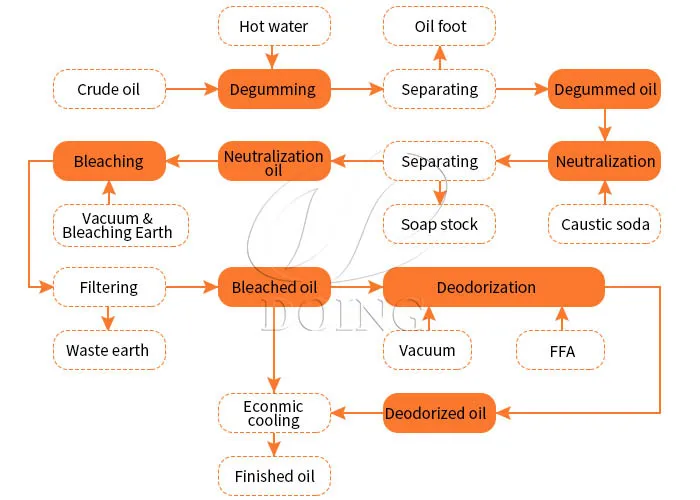
1. Oil Alkali Washing Refining: Removing Organic Acids and Sulfides. The naphthenic acids, fatty acids and other organic acids contained in crude oil will lead to excessively high acid value of oil products, corrode equipment such as storage tanks and pipelines, and affect the stability of oil products. Sodium hydroxide solution can react with these organic acids to form water-soluble salts, which are removed by liquid separation, thereby reducing the acid value of oil products and improving their stability. According to the public patent of the State Intellectual Property Office (CN104556466A), after treating atmospheric diesel alkali residue waste liquid with sodium hydroxide, the obtained alkali liquid can be diluted to an appropriate concentration and reused for oil alkali washing refining, which can reduce the acid value of diesel from 180mgKOH/100mL to below 1mgKOH/100mL, meeting the refining requirements without affecting oil quality. At the same time, sodium hydroxide can react with sulfides in crude oil (such as hydrogen sulfide and mercaptan) to form water-soluble sulfides, achieving the purpose of desulfurization, reducing the sulfur content of oil products, and meeting environmental emission requirements.
2. Lubricating Oil Refining: Removing Gums and Impurities. In the production process of lubricating oil, it is necessary to remove impurities such as gums and asphaltenes from raw materials to improve their lubricating performance, antioxidant performance and service life. Sodium hydroxide solution can convert impurities such as gums and asphaltenes in raw materials into soaps through saponification reaction, which are then removed by filtration, centrifugal separation and other methods to obtain high-quality lubricating oil base oil. According to the "Annual Analysis Report on the Basic Chemicals Market" released by the China Petroleum and Chemical Industry Federation (CPCIF) in 2024, the annual consumption of sodium hydroxide used for lubricating oil refining in China's petrochemical industry accounts for about 8.3% of the total industry consumption, making it one of the important application scenarios of sodium hydroxide in the petrochemical field.
(2) Petrochemical Waste Gas Treatment: An Important Reagent for Green Environmental Protection
A large amount of acidic waste gas is generated during petrochemical production, including sulfur dioxide (SO₂), hydrogen sulfide (H₂S), and chlorine (Cl₂). Direct emission of these waste gases will seriously pollute the air, endanger human health, and corrode production equipment. As a strong alkaline reagent, sodium hydroxide has excellent waste gas absorption capacity, making it a core environmental protection reagent for waste gas treatment in the petrochemical industry.
1. Hydrogen Sulfide Waste Gas Treatment: A large amount of hydrogen sulfide waste gas is generated in links such as petroleum refining and natural gas extraction, which is highly toxic and corrosive. Sodium hydroxide solution can react with hydrogen sulfide to form sodium sulfide and water, realizing the harmless treatment of waste gas. According to the industry analysis released by Haoyuan Environmental Protection Technology Huai'an Co., Ltd. in 2026, the removal rate of petrochemical hydrogen sulfide waste gas treated with sodium hydroxide solution can reach more than 98%, and the treated waste gas can meet the emission requirements of the "Emission Standard for Pollutants from Petroleum Refining Industry" (GB 31570-2015).
2. Sulfur Dioxide Waste Gas Treatment: When the petrochemical industry burns fuels such as coal and heavy oil, sulfur dioxide waste gas is generated, which is one of the main causes of acid rain. Sodium hydroxide solution can be used as an absorbent to react with sulfur dioxide to form sodium sulfite and sodium sulfate, which can be recycled to achieve "turning waste into treasure". According to the 2024 statistical data from the International Council of Chemical Associations (ICIS), the annual amount of sodium hydroxide used by the global petrochemical industry to treat sulfur dioxide waste gas accounts for about 12% of the total consumption of sodium hydroxide, effectively reducing the generation of acid rain pollution.
(3) Petrochemical Wastewater Treatment: A Core Means to Achieve Up-to-Standard Emission
A large amount of acidic wastewater, oily wastewater, heavy metal-containing wastewater, etc., are generated in the petrochemical production process. These wastewaters have complex components and serious pollution. If they are directly discharged without treatment, they will pollute soil and water sources and damage the ecological environment. Sodium hydroxide is mainly used in neutralizing acidic wastewater and precipitating heavy metal ions in petrochemical wastewater treatment, and is a core means to achieve up-to-standard emission of wastewater.
1. Neutralization of Acidic Wastewater: A large amount of acidic wastewater is generated in links such as pickling and catalytic cracking in petrochemical production, with a pH value usually between 2-4, which is highly corrosive. Sodium hydroxide can react with acidic substances in wastewater to adjust the pH value of wastewater to a neutral range of 6-9, avoiding corrosion of treatment equipment by wastewater, and creating conditions for subsequent biochemical treatment and precipitation treatment. According to the first-quarter 2025 industry report of the China Chlor-Alkali Industry Association (CCIA), the annual amount of sodium hydroxide used for neutralizing acidic wastewater in China's petrochemical industry is about 3.2 million tons, accounting for 7.8% of the total national consumption of sodium hydroxide.
2. Precipitation of Heavy Metal Ions: Petrochemical wastewater contains heavy metal ions such as mercury, cadmium, and lead. These ions are toxic, difficult to degrade, and will accumulate in the environment, endangering human health. Sodium hydroxide can adjust the pH value of wastewater, making heavy metal ions combine with hydroxide ions to form insoluble hydroxide precipitates, which are then removed by filtration, precipitation and other methods, thereby reducing the content of heavy metal ions in wastewater. According to the public patent of the State Intellectual Property Office (CN104556466A), treating petrochemical alkali residue waste liquid with sodium hydroxide can further reduce the COD content of wastewater, with a removal rate of more than 98%, while avoiding the generation of high-salt and high-COD waste liquid, realizing the recycling and zero emission of waste liquid.
(4) Synthesis of Chemical Intermediates: A Basic Raw Material Supporting the Extension of the Petrochemical Industry Chain
One of the core competitiveness of the petrochemical industry lies in the extension of the industrial chain. As a basic chemical raw material, sodium hydroxide is widely used in the synthesis of various petrochemical intermediates, providing support for the refined development of the industrial chain.
1. Raw Materials for Synthetic Detergents: Sodium hydroxide can react with fatty alcohols, fatty acids, etc., to form surfactants such as sodium fatty alcohol and sodium fatty acid, which are core raw materials for products such as synthetic detergents and soaps. According to the "Annual Development Report of China's Caustic Soda Industry" released by the China Chlor-Alkali Industry Association in 2024, the annual amount of sodium hydroxide used for synthetic detergent raw materials in China's petrochemical industry accounts for about 11% of the total consumption, supporting the stable development of the detergent industry.
2. Synthesis of Other Chemical Intermediates: Sodium hydroxide is also used in the synthesis of products such as propylene oxide, caprolactam, and dye intermediates, and plays an important role in downstream petrochemical industries such as polyolefins and synthetic fibers. For example, in the production of propylene oxide, the chlorohydrin process (still used in some old equipment) requires a large amount of sodium hydroxide. In 2024, the consumption of sodium hydroxide in this process route in China was about 350,000 tons, providing a guarantee for the stable supply of the propylene oxide industry. In addition, sodium hydroxide can also be used as a catalyst or neutralizer in the production of petrochemical products such as oils and resins, improving product quality and production efficiency.
II. Key Technologies and Standards for the Application of Sodium Hydroxide in Petrochemical Industry
(1) Key Application Technology Points
1. Concentration Control: In the petrochemical application of sodium hydroxide, the concentration selection needs to be adjusted according to specific scenarios. For example, the commonly used concentration for oil alkali washing refining is 10%-20% (mass fraction), 20%-30% for waste gas absorption, and 10%-15% for wastewater treatment. The public patent of the State Intellectual Property Office (CN104556466A) clearly states that when treating petrochemical alkali residue waste liquid, the amount of sodium hydroxide added should control the final alkali concentration to 30wt%-45wt% to ensure that the sulfate removal rate reaches more than 90%.
2. Operation Specifications: Sodium hydroxide is highly corrosive, so strict operation specifications must be followed in petrochemical production. Operators must wear personal protective equipment such as alkali-resistant gloves, goggles, and impermeable protective clothing, and eye washers and emergency showers must be equipped in the operation area. At the same time, when preparing sodium hydroxide solution, the principle of "adding alkali to water" must be followed, adding slowly and stirring continuously. It is strictly forbidden to pour water into alkali to prevent danger caused by violent heat release.
3. Waste Liquid Recycling: To reduce production costs and practice the concept of green development, petrochemical enterprises need to attach importance to the recycling of sodium hydroxide waste liquid. For example, the use of alkali-resistant nanofiltration (NF) membranes can recover more than 90% of the alkali liquid, realizing recycling; the alkali liquid obtained after treating petrochemical alkali residue waste liquid can be diluted to an appropriate concentration and reused for oil alkali washing refining, realizing resource recycling.
(2) Relevant Industry Standards and Compliance Requirements
The application of sodium hydroxide in the petrochemical field must comply with relevant national and industry standards to ensure product quality and production safety. The main relevant standards include: "Sodium Hydroxide for Industrial Use" (GB/T 209-2018), which specifies the technical requirements, test methods, inspection rules, etc., of sodium hydroxide for industrial use; "Emission Standard for Pollutants from Petroleum Refining Industry" (GB 31570-2015), which clarifies the emission limits of petrochemical waste gas and wastewater, and indirectly regulates the application of sodium hydroxide in waste gas and wastewater treatment; "Regulations on the Safety Administration of Hazardous Chemicals" (Decree No. 591 of the State Council), which puts forward safety management requirements for the storage, transportation, use and other links of sodium hydroxide.
In addition, export-oriented petrochemical enterprises also need to comply with relevant international standards, such as the EU REACH Regulation and the US OSHA Standard, to ensure that the use and emission of sodium hydroxide meet international compliance requirements and avoid trade barriers. For example, sodium hydroxide used in the production of export petrochemical products needs to provide an MSDS/SDS report that meets international standards, clarifying its physical and chemical properties, safe operation specifications and environmental emission requirements.
III. Application Trends of Sodium Hydroxide in the Petrochemical Industry
With the global petrochemical industry upgrading towards greenization, refinement and intelligence, and the continuous tightening of environmental protection policies, the application of sodium hydroxide in the petrochemical industry presents three major development trends.
First, green application has become the mainstream. In the future, petrochemical enterprises will pay more attention to the efficient utilization and waste liquid recycling of sodium hydroxide. Through technological upgrading, the utilization rate of sodium hydroxide will be improved, waste will be reduced, and the impact on the environment will be reduced. For example, the use of new membrane separation technology to recover alkali liquid to achieve "zero emission"; the development of high-efficiency application technology of low-concentration sodium hydroxide to reduce energy consumption and pollutant emissions, which is in line with the global "dual carbon" goal requirements.
Second, application scenarios continue to expand. With the continuous extension of the petrochemical industry chain, sodium hydroxide will play a more important role in high-end oil refining, new chemical intermediate synthesis, environmental governance and other fields. For example, in high-end lubricating oil refining, sodium hydroxide will be used to remove trace impurities to improve the high-end level of lubricating oil; in the synthesis of new energy materials, sodium hydroxide will be used as a basic reagent to support the transformation of the petrochemical industry to the new energy field.
Third, the requirements for product quality are constantly improving. With the continuous improvement of petrochemical product quality standards, the requirements for indicators such as purity and impurity content of sodium hydroxide will become more stringent. High-purity, low-impurity sodium hydroxide will become the first choice of petrochemical enterprises, which will promote sodium hydroxide production enterprises to increase investment in technological research and development, improve product quality, and meet the high-end needs of the petrochemical industry. According to the prediction of the China Chlor-Alkali Industry Association (CCIA), from 2026 to 2030, the average annual growth rate of demand for high-purity sodium hydroxide in China's petrochemical industry will remain at about 5.2%, with great market potential.
IV. Conclusion
As a basic inorganic chemical raw material, sodium hydroxide plays an irreplaceable role in various core links of the petrochemical industry, such as crude oil processing, oil refining, waste gas and wastewater treatment, and chemical intermediate synthesis. It is a key reagent supporting the stable development of the petrochemical industry and realizing green environmental protection. From the perspective of authoritative data, as the world's largest producer of sodium hydroxide, China has an annual production capacity of more than 40 million tons, accounting for more than 40% of the global total, providing sufficient raw material guarantee for the development of the petrochemical industry.
With the continuous upgrading of the petrochemical industry and the continuous tightening of environmental protection policies, the application of sodium hydroxide will pay more attention to efficiency, greenization and compliance, its application scenarios will continue to expand, and the requirements for product quality will also continue to improve. In the future, it is necessary to strengthen the research and development and innovation of sodium hydroxide application technology, promote its green and refined application in the petrochemical field, help the petrochemical industry achieve high-quality development, and contribute to the global environmental protection cause.