With the booming domestic pet market, we will provide a comprehensive analysis of the application of hypochlorous acid generators in the pet industry, covering the three major challenges of disinfection, deodorization, and care for pet establishments, from regulations to practical applications, and incorporating our customer case studies.
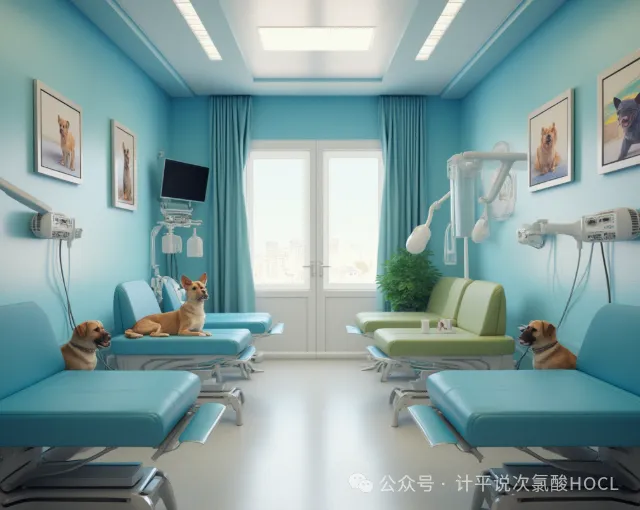
For pet hospital and breeding center managers, cross-infection (such as canine distemper, parvovirus, and feline rhinotracheitis), environmental odors (ammonia, fecal odor), and the toxic residues of traditional disinfectants (such as the toxicity of 84 disinfectant to cats) have always been three major pain points in operations. How to balance "powerful sterilization" with "human and pet safety"? Hypochlorous acid (HOCl) generators are becoming the optimal solution for industry transformation and upgrading.
I. Core Logic: Why is Hypochlorous Acid a "Demolitionist" Solution?
Hypochlorous acid is an immune factor naturally produced when mammalian white blood cells engulf pathogens. The slightly acidic electrolyzed water prepared on-site by a hypochlorous acid generator has the following advantages:1) Rapid sterilization: The sterilization speed is 80-100 times that of sodium hypochlorite (84 solution), and it can kill parvovirus (CPV), coronavirus, and fungal spores within 1 minute.
2) Absolute safety: Non-irritating, non-corrosive, and non-toxic when inhaled. Even if pets lick the sprayed fur, it is completely harmless.
3) Decompose odors: Unlike masking deodorants, hypochlorous acid directly decomposes ammonia (urine odor) and trimethylamine (body odor) through oxidation, achieving deodorization at the source.
II. Practical Application: One Machine, Full Coverage
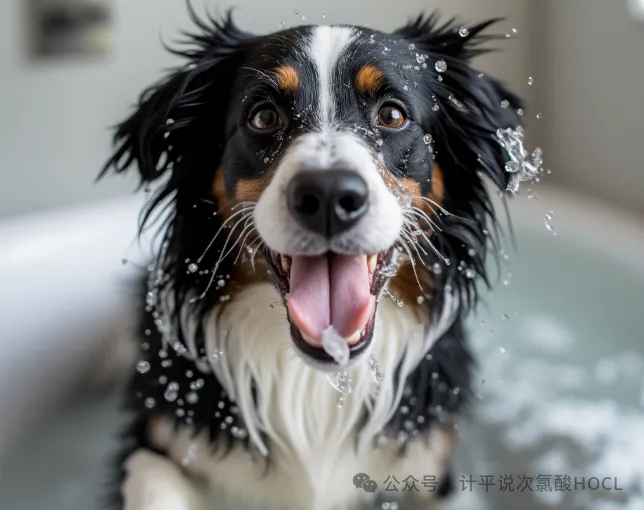
1) Space Disinfection: Works with an ultrasonic atomizer to achieve continuous online disinfection of spaces with animals (and humans), effectively preventing cross-infection of respiratory diseases.2) Wound Care: Replaces saline solution for rinsing surgical sites, abscesses, eczema, and interdigital dermatitis, accelerating granulation tissue growth without inducing drug resistance.
3) Equipment and Cages: Zero residue, no need for secondary cleaning; pets can be placed in cages directly after spraying.
III. Compliance Basis: Dual Endorsement from Domestic and International Standards
1) Domestic Basis: The "General Requirements for Disinfectants" (GB/T 38496) issued in 2020 officially clarifies the status of hypochlorous acid disinfectant; and it complies with the relevant regulations of the National Health Commission on the use of "slightly acidic electrolyzed water" in medical institutions.2) International Endorsement: The US FDA approves its use for pet wound care; the US EPA lists it as an effective treatment against COVID-19 and various animal viruses (List N).
As a manufacturer, we recommend the following:
1) "Produce and use immediately": Given the poor storage stability and easy decomposition of hypochlorous acid, it's better to purchase a machine to produce and use it immediately than to buy hypochlorous acid water.2) Transparent technical parameters: The equipment should clearly state its stable pH range (recommended 5.0-6.5) and effective chlorine concentration (e.g., adjustable from 50-200ppm).
3) Choose manufacturers carefully: Download information from manufacturers with production licenses, complete testing reports, and numerous customer case studies.
Whether you need assistance with equipment selection, cost accounting, or obtaining free solutions, please leave a private message.