In the chicken feet and meat product processing industry, bleaching, sterilization, and preservation are the lifelines that determine product appearance and shelf life. However, with increasingly stringent national food safety regulations (such as byproduct indicators), traditional disinfection methods are facing unprecedented challenges.
Hidden Concerns of the Traditional Approach: The "Achilles' Heel" of Chlorine Dioxide and Sodium Hypochlorite
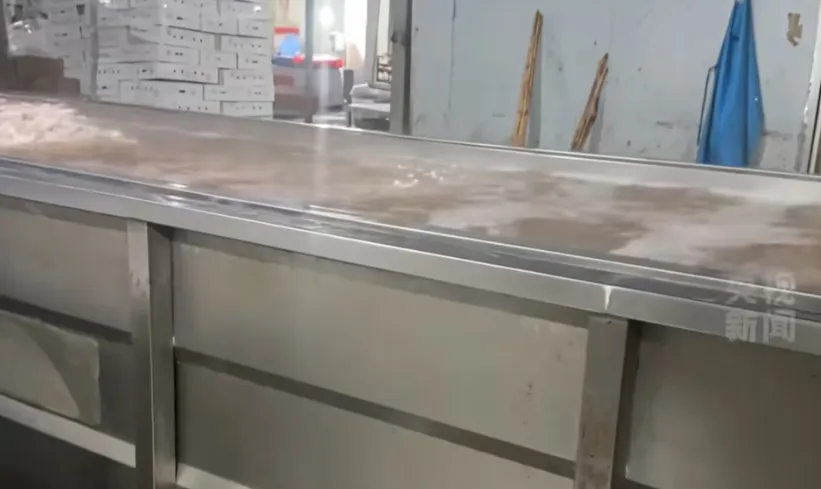
Currently, many factories still use chlorine dioxide (ClO2) or sodium hypochlorite (NaClO), but they pose significant safety risks in chicken feet cleaning: Risk of Excessive Chlorite: Chlorine dioxide readily produces chlorite and chlorate byproducts during the reaction process. Recently, a large number of exported or domestically sold chicken feet have been found to contain excessive levels of these substances, directly leading to product scrapping or penalties. Chemical Residues and Odor: After bleaching with sodium hypochlorite, chicken feet often have a pungent chlorine smell, and the high pH value can damage the meat's surface, resulting in a bitter taste or loose meat. Safety and Corrosivity: Strongly alkaline sodium hypochlorite or strongly oxidizing chlorine dioxide severely corrodes equipment and floors, and the storage of raw materials (such as strong acids and alkalis) poses significant safety hazards.
Core Advantages: Why is Electrolytic Hypochlorous Acid a Perfect Alternative?
Using an advanced electrolytic hypochlorous acid generator, the produced hypochlorous acid (HClO) water has the following core advantages:
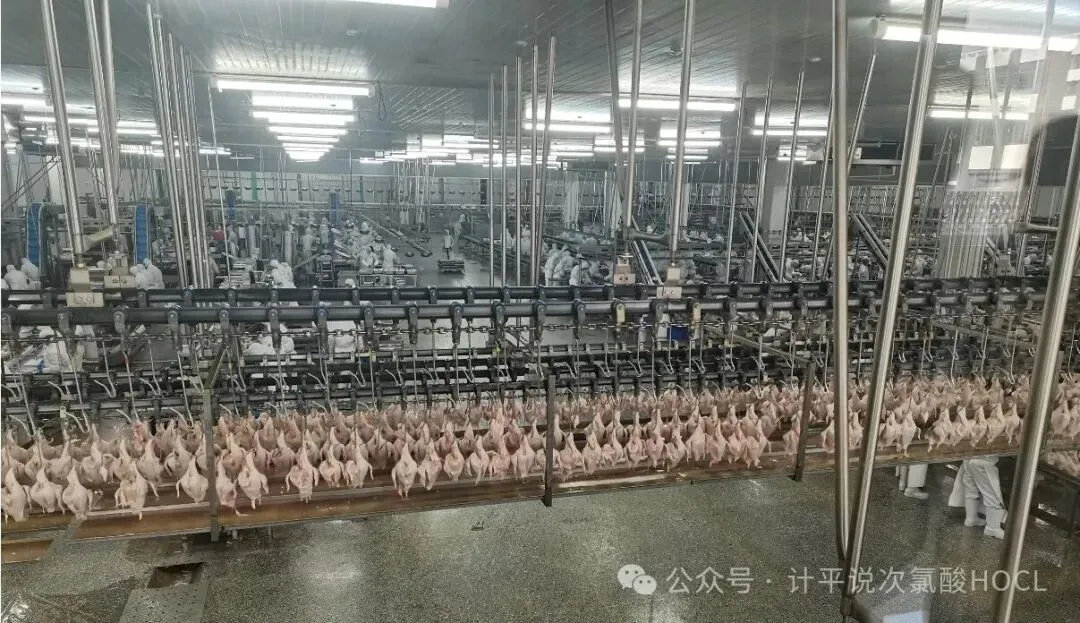
1. Highly Effective Sterilization and Preservation, Extending Shelf Life: The sterilization efficiency of hypochlorous acid molecules is 80-100 times that of sodium hypochlorite. It can quickly penetrate bacterial cell walls, effectively killing Salmonella, Staphylococcus aureus, and mold, thereby slowing down the oxidation rate of meat and keeping chicken feet crystal clear. Actual test data shows that chicken feet washed with hypochlorous acid can have their shelf life extended by 20%-30%.
2. Zero Harmful Byproducts, Say Goodbye to Chlorite: Unlike chlorine dioxide, electrolytic hypochlorous acid is directly reduced to water and trace amounts of sodium chloride (table salt components) after reaction, producing absolutely no chlorite. This fundamentally solves the most troublesome problem of excessive physicochemical indicators in food safety spot checks.
3. Improved Sensory Quality: Hypochlorous acid is slightly acidic (pH 5.0-6.5), similar to the environment of skin and meat. It not only does not damage the chicken feet skin but also better locks in protein, resulting in a more natural, brighter color and a more chewy texture in the finished product.
Regulatory and Literature Basis: Providing Customer Reassurance.
During the promotion process, regulatory support is key to dispelling doubts:
National Standard Support: According to GB 28234-2020 "Hygienic Requirements for Hypochlorous Acid Disinfectants," hypochlorous acid can be used for disinfection of food processing tools, equipment, and hard object surfaces.
Food Additive Standards: According to GB 2760 "Standards for the Use of Food Additives" and related announcements, electrolyzed hypochlorous acid, as a "processing aid," does not need to be labeled after use in food processing, as long as the residue in the final product meets the regulations.
International Recognition: The US FDA (21 CFR 173.315) approves hypochlorous acid for cleaning and disinfecting livestock and poultry meat, aquatic products, and fruits and vegetables.
Environmental Benefits:
No Pressure on Wastewater Discharge Many manufacturers worry about wastewater treatment after disinfection. The wastewater generated by hypochlorous acid generators is highly biodegradable: No secondary pollution: Hypochlorous acid has extremely high biodegradability. After online cleaning and discharge, residual chlorine rapidly decays, without impacting the biochemical wastewater treatment system of meat processing plants. Meets emission standards: Its byproducts are only trace amounts of chloride ions, fully complying with GB 8978 "Integrated Wastewater Discharge Standard". Using hypochlorous acid can actually reduce the COD (Chemical Oxygen Demand) load in wastewater, alleviating end-of-pipe treatment pressure.
Core Competitiveness:
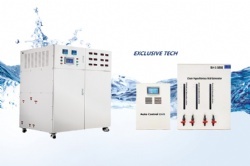
High Purity and Stability Our hypochlorous acid generator uses pure physical electrolysis technology, not the "acid-base mixing method" used in the market: Guaranteed purity: The hypochlorous acid content (HClO) in the product water is as high as 98.5% or more, the effective chlorine component is extremely stable, and there is no unreacted raw material residue. Intelligent and constant: The intelligent control system ensures that the pH value and effective chlorine concentration of the product water remain constant in real time. Regardless of changes in inlet water pressure, every drop of water output meets food safety standards. On-site production and immediate use: This method avoids concentration decay caused by storage, ensuring consistent sterilization effects for every batch of chicken feet. Switching from traditional chemical agents to electrolytic hypochlorous acid generators is not only a technological upgrade but also a reinforcement of food safety standards. Choosing hypochlorous acid means choosing: guaranteed pass rates in random inspections (no chlorite residue), improved quality (brighter color, longer shelf life), and optimized costs (reduced agent waste and lower equipment maintenance costs).
If you are also facing challenges with exceeding inspection standards or product preservation, please contact us for customized disinfection solutions for your food factory!

