Introduction
For decades, dental professionals have faced a persistent challenge: maintaining sterile waterlines in dental units. Traditional disinfection methods often fall short, leaving potential for biofilm formation and microbial contamination. Today, a groundbreaking solution is transforming dental infection control: the hypochlorous acid (HOCl) generator. This innovative technology offers a safe, effective, and sustainable approach to ensuring the highest standards of water quality in dental practices.
The Challenge of Dental Unit Waterlines (DUWLs)
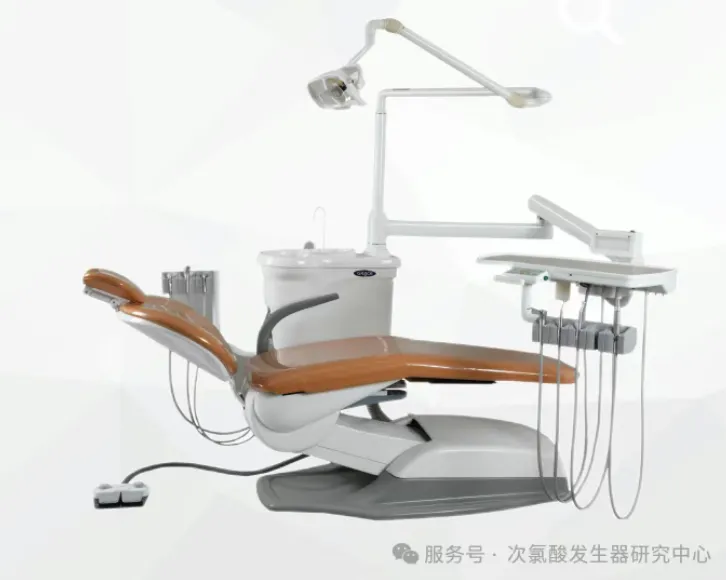
Dental unit waterlines are narrow, complex tubing systems that supply water to handpieces, air-water syringes, and ultrasonic scalers. Their small diameter and low flow rates create an ideal environment for biofilm—a slimy layer of bacteria and other microorganisms. Despite regular flushing and chemical treatments, biofilms can persist, posing a risk of infection to both patients and staff. Regulatory bodies worldwide have set strict limits on water quality in dental settings, driving the need for more reliable disinfection technologies.
What is Hypochlorous Acid (HOCl)?
Hypochlorous acid is a powerful, naturally occurring oxidant produced by white blood cells in the human body to fight pathogens. It is highly effective against a broad spectrum of microorganisms, including bacteria, viruses, and fungi. Unlike chlorine bleach, HOCl is non-toxic, non-irritating, and environmentally friendly. Until recently, its instability made storage and transport difficult. Modern on-site HOCl generators solve this by producing it as needed from just water, salt, and electricity.
How HOCl Generators Work in Dental Settings
-
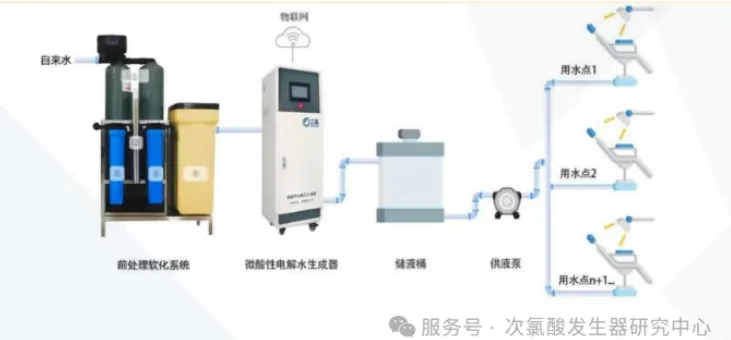
On-Demand Production: Compact HOCl generators can be installed directly in dental units or centrally. They use electrolysis to convert a mild saline solution into HOCl at precise, effective concentrations.
-
Continuous or Intermittent Treatment: Systems can be configured to continuously treat waterlines, ensuring 24/7 protection, or to perform automated periodic disinfection cycles.
-
Real-Time Monitoring: Advanced models include sensors to monitor HOCl concentration, pH, and oxidation-reduction potential (ORP), automatically adjusting output for optimal performance.
Key Benefits for Dental Practices
-
Superior Efficacy: HOCl eliminates over 99.99% of common pathogens, including Legionella, Pseudomonas aeruginosa, and nontuberculous mycobacteria, effectively removing biofilm and preventing its regrowth.
-
Enhanced Safety: Non-corrosive to dental equipment at proper concentrations, and safe for patients and staff—no harmful fumes, skin irritation, or toxic residues.
-
Compliance Made Simple: Helps practices consistently meet CDC, ADA, and local regulatory standards for DUWL water quality (<500 CFU/mL of heterotrophic bacteria).
-
Operational Efficiency: Automated systems reduce staff time spent on manual disinfection protocols. No need to purchase, store, or handle hazardous chemicals.
-
Cost-Effectiveness: Low operational cost using only salt, water, and minimal electricity. Extends the lifespan of dental unit tubing by preventing scale and corrosion.
-
Environmental Sustainability: HOCl breaks down into simple salt water, leaving no toxic byproducts. It is a green alternative to traditional chemical disinfectants.
Implementation in the Dental Clinic
Integrating an HOCl generator is straightforward. Options include:
-
Point-of-Use Units: Attached to individual dental chairs.
-
Centralized Systems: Treating water for multiple units from one generator.
Regular maintenance is minimal, primarily involving occasional electrode cleaning and salt replenishment.
The Future of Dental Water Safety
The adoption of HOCl generator technology represents a significant leap forward in dental infection prevention and control. As the industry moves towards safer, greener, and more automated solutions, HOCl stands out as a technology that aligns with both clinical excellence and environmental stewardship.
Conclusion
Hypochlorous acid generator technology is not just an improvement; it's a revolution in dental unit waterline disinfection. By providing a potent, safe, and sustainable solution, it empowers dental practices to protect their patients, their teams, and their reputation with unprecedented reliability.
Ensure your practice is at the forefront of infection control. Contact us today to learn how our state-of-the-art hypochlorous acid generators can safeguard your dental unit waterlines and elevate your standard of care.