Introduction
In the evolving landscape of modern livestock farming, maintaining impeccable hygiene is no longer a luxury—it is a necessity. As farms grow in scale and embrace smart, data-driven management, the demand for efficient, safe, and automated disinfection solutions has surged. Enter hypochlorous acid (HOCl) generators: a groundbreaking technology that is transforming biosecurity protocols in smart agricultural operations. For water treatment specialists and forward-thinking farms, this innovation represents a leap toward sustainable, effective, and intelligent animal husbandry.
What is Hypochlorous Acid (HOCl)?
Hypochlorous acid is a powerful, naturally occurring oxidant produced by white blood cells in mammals to fight pathogens. It is a highly effective disinfectant known for its ability to eliminate bacteria, viruses, and fungi rapidly. Unlike traditional chlorine-based disinfectants, HOCl is:
-
Non-toxic at use concentrations, making it safe for animals and workers.
-
Eco-friendly, breaking down into simple salt and water.
-
Non-corrosive to equipment when properly generated and applied.
-
Odorless and non-irritating, enhancing animal welfare.
HOCl generators produce this solution on-site through the electrolysis of water and salt (NaCl), ensuring a fresh, stable, and consistent supply of disinfectant without the hazards of storing or transporting harsh chemicals.
The Role of Smart Disinfection in Modern Livestock Farming
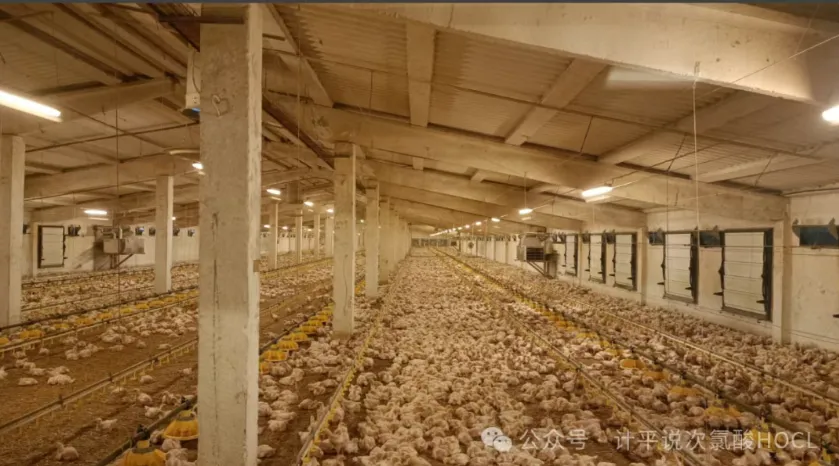
Smart livestock farming integrates IoT sensors, automation, and data analytics to optimize health, productivity, and resource management. In such systems, disinfection is not a standalone activity but a connected component of farm intelligence. Key challenges addressed by smart disinfection include:
-
Disease Prevention: Controlling outbreaks of Avian Influenza, African Swine Fever, Foot-and-Mouth Disease, and other contagious pathogens.
-
Reducing Antibiotic Reliance: Effective sanitation minimizes disease pressure, decreasing the need for prophylactic antibiotics.
-
Operational Efficiency: Automating disinfection processes saves labor, water, and time.
-
Data-Driven Biosecurity: Monitoring pathogen loads and disinfectant efficacy in real-time.
How HOCl Generators Integrate into Smart Farming Systems
The true power of hypochlorous acid generators is unlocked when they are seamlessly integrated into a farm's smart infrastructure.
1. Automated Disinfection Protocols
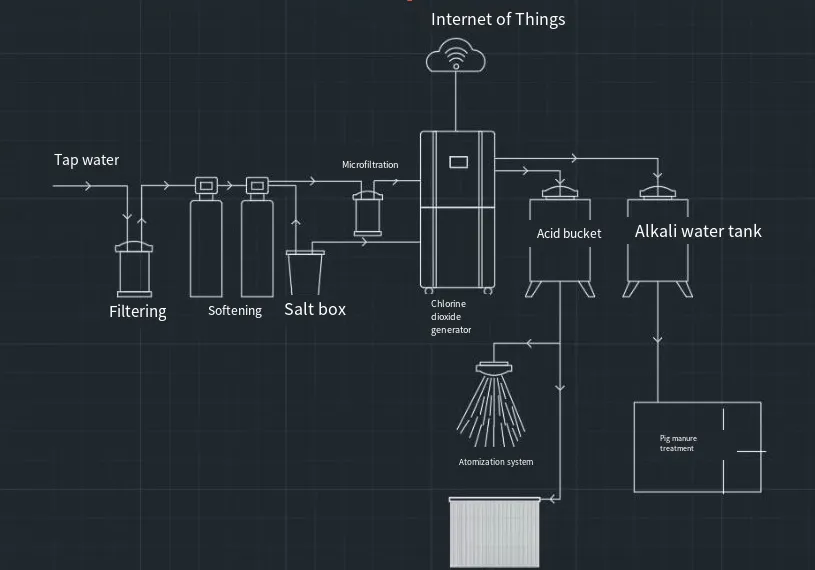
HOCl generators can be connected to programmable logic controllers (PLCs) and farm management software. This allows for:
-
Automated Spraying Systems: Scheduled or trigger-based disinfection of animal housing, entry points, vehicles, and equipment. For example, spray tunnels can activate as vehicles pass through.
-
Dosing Control in Water Lines: Adding precise, safe levels of HOCl to livestock drinking water to control waterborne pathogens.
2. IoT-Enabled Monitoring and Control
-
Real-Time Monitoring: Sensors can track free available chlorine (FAC) levels, pH, and oxidation-reduction potential (ORP) of the HOCl solution, ensuring optimal efficacy.
-
Remote Management: Farm managers can adjust disinfection schedules and concentrations via mobile apps, responding to alerts or changes in biosecurity risk levels.
-
Predictive Maintenance: The system can alert technicians to required maintenance for the generator, preventing downtime.
3. Applications in Key Areas
-
Footbaths and Handwash Stations: Continuous, automated replenishment of effective disinfectant.
-
Air Scrubbing & Surface Fogging: HOCl nebulizers can be used for aerial disinfection in poultry houses or swine barns, integrated with environmental controllers.
-
Carcass and Waste Management: Disinfection of processing areas and waste runoff to prevent environmental contamination.
Benefits for the Smart Farm
-
Superior Efficacy & Safety: HOCl is proven effective against a broad spectrum of pathogens, including resistant biofilms, while being gentle on livestock's skin, respiratory systems, and human operators.
-
Cost-Effectiveness: On-site generation from salt and water drastically reduces chemical costs and logistics. It also lowers veterinary costs associated with disease outbreaks.
-
Sustainability: It aligns with circular economy principles—minimal environmental footprint, no harmful residues, and reduced plastic waste from chemical containers.
-
Compliance & Traceability: Automated logs of disinfection activities, concentrations, and areas treated provide auditable data for food safety certifications (e.g., BAP, GlobalG.A.P.) and regulatory compliance.
-
Enhanced Animal Welfare: A cleaner, low-stress environment with improved air and water quality contributes directly to better health and productivity.
Why Partner with a Professional Water Treatment Company?
Implementing an HOCl system is more than just installing a generator. It requires expert knowledge of water quality, electrolysis technology, and system integration. A specialized water treatment partner provides:
-
Customized System Design: Tailoring the generator capacity, dosing points, and automation to your farm's specific layout and needs.
-
Water Pre-Treatment: Ensuring feed water is of appropriate quality to maximize generator efficiency and lifespan.
-
Integration Support: Connecting the disinfection system with your existing farm management platforms.
-
Ongoing Service & Support: Maintenance, performance monitoring, and expert consultation to ensure long-term success.
Conclusion: The Future of Farm Biosecurity is Smart and On-Site
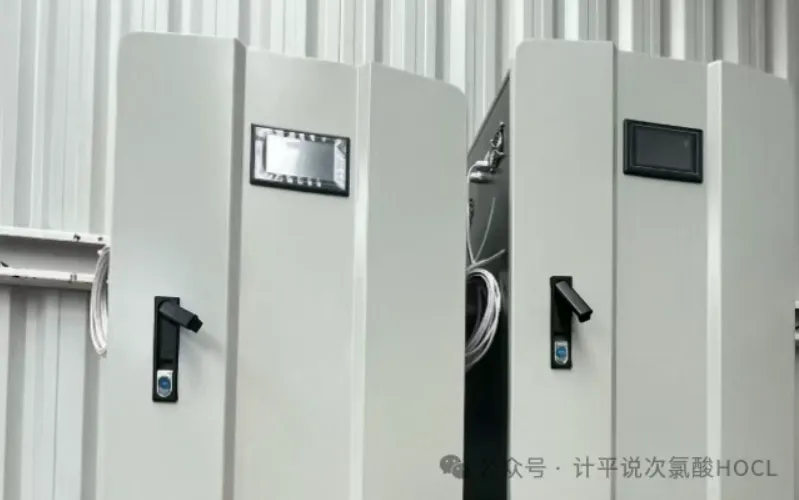
The integration of hypochlorous acid generators into smart livestock farming represents a paradigm shift in agricultural biosecurity. It moves disinfection from a reactive, chemical-intensive chore to a proactive, data-integrated, and sustainable pillar of animal health management.
For farms looking to future-proof their operations, reduce their environmental impact, and safeguard their herds and flocks with the most advanced technology available, on-site HOCl generation is not just an option—it is the intelligent choice.
Ready to transform your farm's disinfection protocol? Contact our team of experts today to explore how a customized, smart anolyte generation system can enhance your biosecurity, productivity, and sustainability.