In modern agriculture and horticulture, which pursue high yields, high quality, and sustainable development, the safe and efficient control of pests and diseases to ensure crop health while reducing chemical pesticide residues and environmental pollution is a common challenge faced by practitioners worldwide. Against this backdrop, a green pest control technology called "hypochlorous acid water" is emerging, showing significant advantages in hydroponics and flower cultivation. Chlory's intelligent hypochlorous acid generator provides a powerful and reliable power source for the widespread application of this technology.
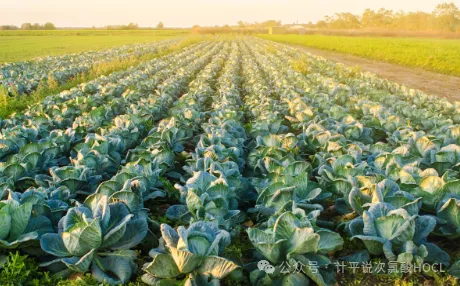
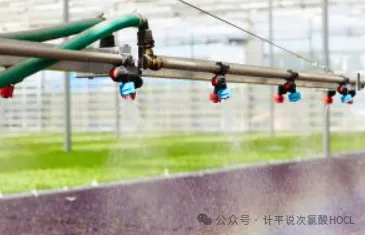
1) Irrigation water disinfection.
Proper disinfection ensures the oxidation of organic matter, eliminating harmful bacteria and fungi, thereby reducing the impact of pathogens on crops. It also significantly improves the rhizosphere environment, increases the number of roots and water-absorbing hairs, and reduces the growth of harmful fungi such as Fusarium, thus establishing a better ecological balance.
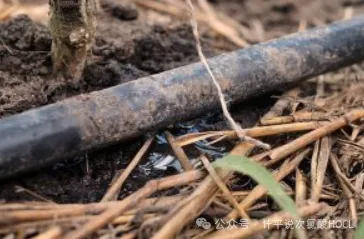
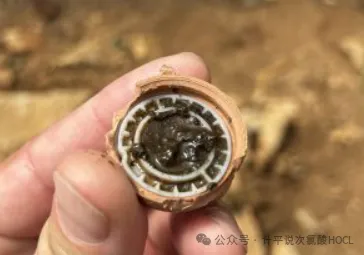
2) Biofilm and Blockage Removal
Our application has been thoroughly tested to address this critical problem: contaminated water, wastewater use, fertilizer addition, coupled with high temperatures, create a large amount of biofilm in pipes and filters. Over time, this not only increases fungal and bacterial colonies but also causes severe blockages.
We use PHA (pure hypochlorous acid) for treatment, tailored to each crop and client's specific needs, ensuring 99% effective biofilm removal. This treatment method gradually reduces biofilm daily without causing blockages or crop damage.
3) Environmental Disinfection
Environmental disinfection using (pure hypochlorous acid) ensures a pathogen-free environment by oxidizing spores, bacteria, and fungi.
Our company will tailor the treatment to each client's needs. Shude Bio has extensive experience in environmental disinfection, ensuring it is harmless to crops and fully compatible with traditional biological control methods.
4) Root and Soil Treatment
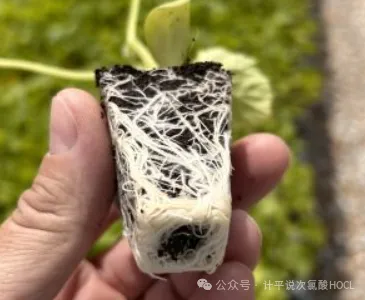
Continuous disinfection of the entire water body significantly improves the rhizosphere environment, noticeably increasing root hair count and giving roots a white appearance, even in freezing weather. The effects are significant and noticeable compared to crops not treated with our pure hypochlorous acid (PHA).
Furthermore, irrigation with PHA-disinfected water reduces harmful fungal colonies such as Fusarium by 90% and is compatible with mycorrhizal and Trichoderma treatments.
5) Mold and Algae Elimination
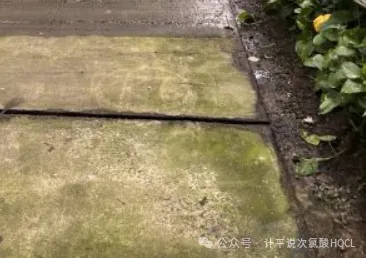
Water containing organic matter, combined with fertilizers and warm temperatures above 15 degrees Celsius, fosters life, resulting in single-celled algae. With each irrigation, these algae deposit on various surfaces, eventually forming the well-known green algae within days.
We use PHA pure hypochlorous acid for disinfection, oxidizing all types of algae, including single-celled and filamentous algae, preventing their proliferation on surfaces such as floors, cell trays, flower pots, walls, and filters.
Green plants provide nutrients and habitats for bacteria and fungi, as well as breeding grounds for insects; removing green plants can significantly shorten insect breeding cycles.
6) Post-harvest Fruit Washing
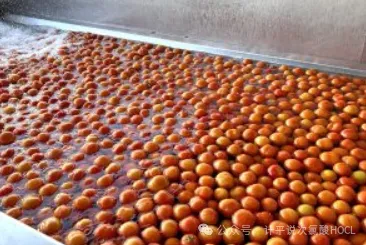
The water we use to wash fruit often becomes contaminated after contact with the harvested fruit.
Proper water disinfection is crucial to prevent bacterial residues in the supply chain, but conventional chemicals such as chlorates and perchlorates often have toxicity limitations.
Disinfecting these ponds with pure hypochlorous acid (PHA) or washing them with it during spraying can improve water quality and prevent the generation of toxicity during disinfection, provided the disinfection process is properly calculated.
However, sometimes due to high levels of organic matter and suspended solids, a system incorporating pretreatment processes, such as circulation, filtration, flocculation, and flotation, is needed to maintain water quality standards. This process can maintain water quality for weeks or even months, sometimes requiring customers to change the water only twice a year, thus saving water for the company.
For more information
+86 157 8668 8998