





What Is Sodium Hypochlorite? The Core Ingredient of Chlorine Bleach
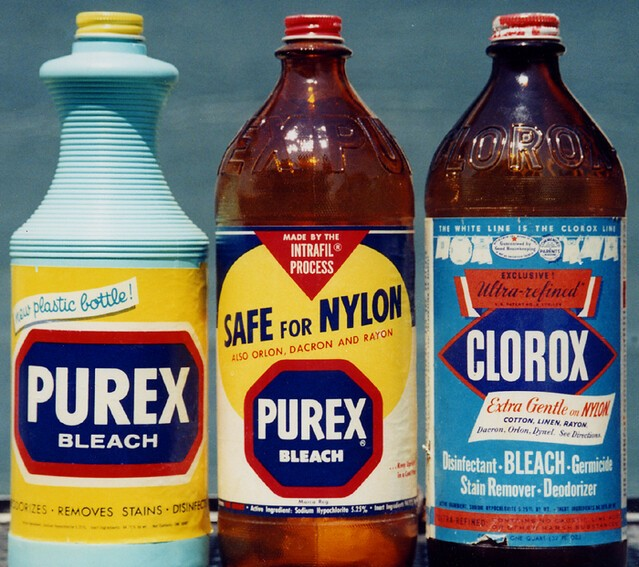
Sodium hypochlorite, with the chemical formula NaClO, is an alkaline inorganic compound that exists as a pale greenish-yellow dilute solution in most commercial and household bleach products . As the most important chlorine-based bleach, it is valued for its low production cost, easy preparation, and strong oxidative properties . Unlike other oxidizing bleaches (e.g., benzoyl peroxide, hydrogen peroxide) that have limited industrial and food processing applications, sodium hypochlorite is widely adopted in textile, paper, food processing, household cleaning, and water treatment due to its high efficiency and broad adaptability.
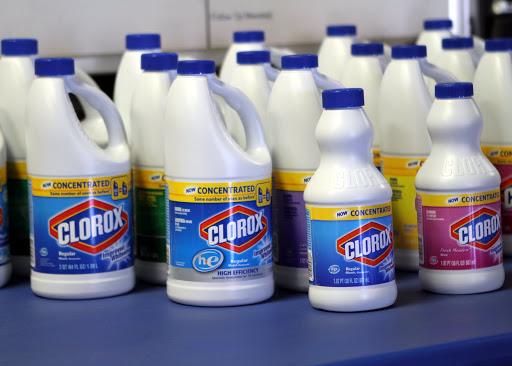
In aqueous solutions, sodium hypochlorite acts as a stable oxidant, and its performance can be optimized by adjusting environmental factors such as pH, temperature, and light—making it a flexible choice for both industrial-scale bleaching and daily household use.
The Science Behind Sodium Hypochlorite Bleaching: Oxidation & Decomposition
The bleaching power of sodium hypochlorite stems from its unique chemical reaction process in water, which involves three key steps that work together to break down colored organic substances and turn them colorless:
Step 1: Hydrolysis to Form Hypochlorous Acid (HClO)
When dissolved in water, sodium hypochlorite decomposes into hypochlorous acid (HClO) and sodium hydroxide (NaOH). The reaction creates the core bleaching agent: hypochlorous acid, a strong oxidant that targets the chemical bonds in colored molecules. Sodium hydroxide plays a dual role—regulating the pH of the solution to enhance the stability of hypochlorous acid and optimizing its bleaching effect .
Step 2: Oxidation & Decomposition of Colored Substances
The bleaching process is divided into two sequential stages:
- Oxidation: Hypochlorous acid reacts with double bonds, aromatic compounds, and nitrogen compounds in colored organic matter, breaking down the chromogenic groups that give substances their color.
- Catalysis: Sodium hydroxide acts as a catalyst to accelerate the decomposition of hypochlorous acid, producing more active oxidizing groups and amplifying the bleaching effect .
Step 3: Light-Enhanced Oxidation
Sodium hypochlorite decomposes more readily under light, a property that is intentionally harnessed in bleaching processes. Adding photosensitizers to the solution triggers the decomposition of hypochlorous acid into highly oxidizing active oxygen ions, which target and remove colored substances more effectively than hypochlorous acid alone . This light-assisted reaction is a key technique for improving bleaching efficiency in industrial applications.
In short, the fundamental principle of sodium hypochlorite bleaching is the oxidative decomposition of colored organic matter—converting chromogenic molecules into colorless ones through a series of chemical reactions, without damaging the basic structure of the bleached material (when used correctly).
Sodium Hypochlorite Bleach: Industrial & Household Applications
Sodium hypochlorite’s strong bleaching and disinfecting properties make it a staple in both industrial production and daily life, with applications tailored to different scenarios and concentration requirements:
Industrial Applications
- Textile & Paper Industry: Used for bleaching cotton, linen, and paper pulp to remove natural pigments and impurities, producing bright, white finished products. Its adjustable bleaching intensity makes it suitable for different types of fibers and paper materials .
- Food Processing: Acts as a bacteriostatic and anti-browning agent—destroying food oxidase activity and browning factors to preserve the color and freshness of food. It also has mild preservative effects, meeting food safety standards for limited use .
- Water Treatment: A cost-effective disinfectant for drinking water, wastewater, and swimming pools. It eliminates harmful bacteria, algae, and ammonia nitrogen, and can even remove water pollutants such as cylindrospermopsin and phenol .
Household Usage
Household sodium hypochlorite bleach (3-8% dilute solution) is a multi-purpose cleaning essential with two primary functions:
- Bleaching & Stain Removal: Removes stubborn stains from white clothes, fabrics, and hard surfaces, restoring their original whiteness.
- Disinfection: Kills bacteria and viruses on household surfaces (e.g., countertops, floors, bathroom fixtures) by producing chlorine free radicals—powerful oxidants that react with and neutralize harmful microorganisms .
A key advantage of household sodium hypochlorite bleach is its environmental friendliness: after use, 95-98% of it decomposes into harmless salt and water, and the remaining 2-5% is easily degraded in sewage treatment systems or soil . It reacts with organic matter in pipes and does not persist in the natural environment, making it a sustainable choice for daily cleaning.
Critical Safety Tips for Using Sodium Hypochlorite Bleach
While sodium hypochlorite is highly effective, it is a strong oxidant that requires careful handling—incorrect mixing or use can produce toxic or explosive substances. Follow these non-negotiable safety guidelines:
❌ Never Mix with These Cleaners
- Ammonia-containing products: Mixing sodium hypochlorite with ammonia cleaners or cleaning urine stains (which contains ammonia) produces toxic chloramine gas and explosive nitrogen trichloride, which can cause severe respiratory damage .
- Toilet cleaners (acidic): Acidic cleaners (e.g., those containing hydrochloric acid) react with sodium hypochlorite to release toxic chlorine gas, a corrosive gas that irritates the eyes, nose, and lungs .
- Hydrogen peroxide: The combination causes a violent reaction that produces excessive oxygen gas, leading to splashing or even container rupture .
✅ Safe Usage Practices
- Use dilute household bleach as directed—avoid high-concentration solutions for daily cleaning to prevent skin and surface corrosion .
- Wear gloves and protective eyewear when using, and ensure good ventilation in the area to avoid inhaling mild fumes .
- Rinse clothes and surfaces thoroughly with water after bleaching to remove residual sodium hypochlorite.
- Store bleach in a cool, dark place—avoid direct sunlight and high temperatures, which cause rapid decomposition and loss of effectiveness .
Optimizing Sodium Hypochlorite Bleaching Effect: Key Factors
To achieve the best bleaching results with sodium hypochlorite (whether for industrial or household use), control these three critical environmental factors:
- pH Value: Sodium hypochlorite is stable in alkaline conditions and produces the most hypochlorous acid in slightly acidic to neutral solutions—adjust pH to 7-9 for optimal bleaching .
- Temperature: Moderate temperatures (20-40℃) accelerate the hydrolysis and oxidation reactions; high temperatures (above 50℃) cause rapid decomposition of hypochlorous acid and reduce bleaching efficiency.
- Light Conditions: Utilize natural or artificial light for light-assisted bleaching (with photosensitizers for industrial use) to boost the production of active oxygen ions .
By fine-tuning these factors, you can maximize bleaching efficiency, reduce waste, and extend the service life of the bleach solution.
Conclusion: Sodium Hypochlorite—The Versatile Workhorse of Bleach
Sodium hypochlorite is the backbone of chlorine-based bleach, offering unbeatable value through its simple bleaching principle, wide-ranging applications, and environmental sustainability. Its ability to deliver powerful oxidation, decolorization, and disinfection—while breaking down into harmless byproducts—makes it indispensable in textile manufacturing, food processing, water treatment, and daily household cleaning.
The key to unlocking sodium hypochlorite’s full potential is understanding its chemical properties and following safety guidelines: by controlling pH, temperature, and light conditions, you can achieve optimal bleaching results, and by avoiding dangerous mixing with other cleaners, you ensure safe use. Whether for industrial production or home care, sodium hypochlorite remains a reliable and efficient choice for bleaching and disinfection.
Are you looking for a steady supply of sodium hypochlorite for industrial bleaching applications? Chlory sodium hypochlorite generators enable on-site production of high-quality sodium hypochlorite bleach, tailored to your specific industrial needs—contact us to learn more about our customized solutions!