
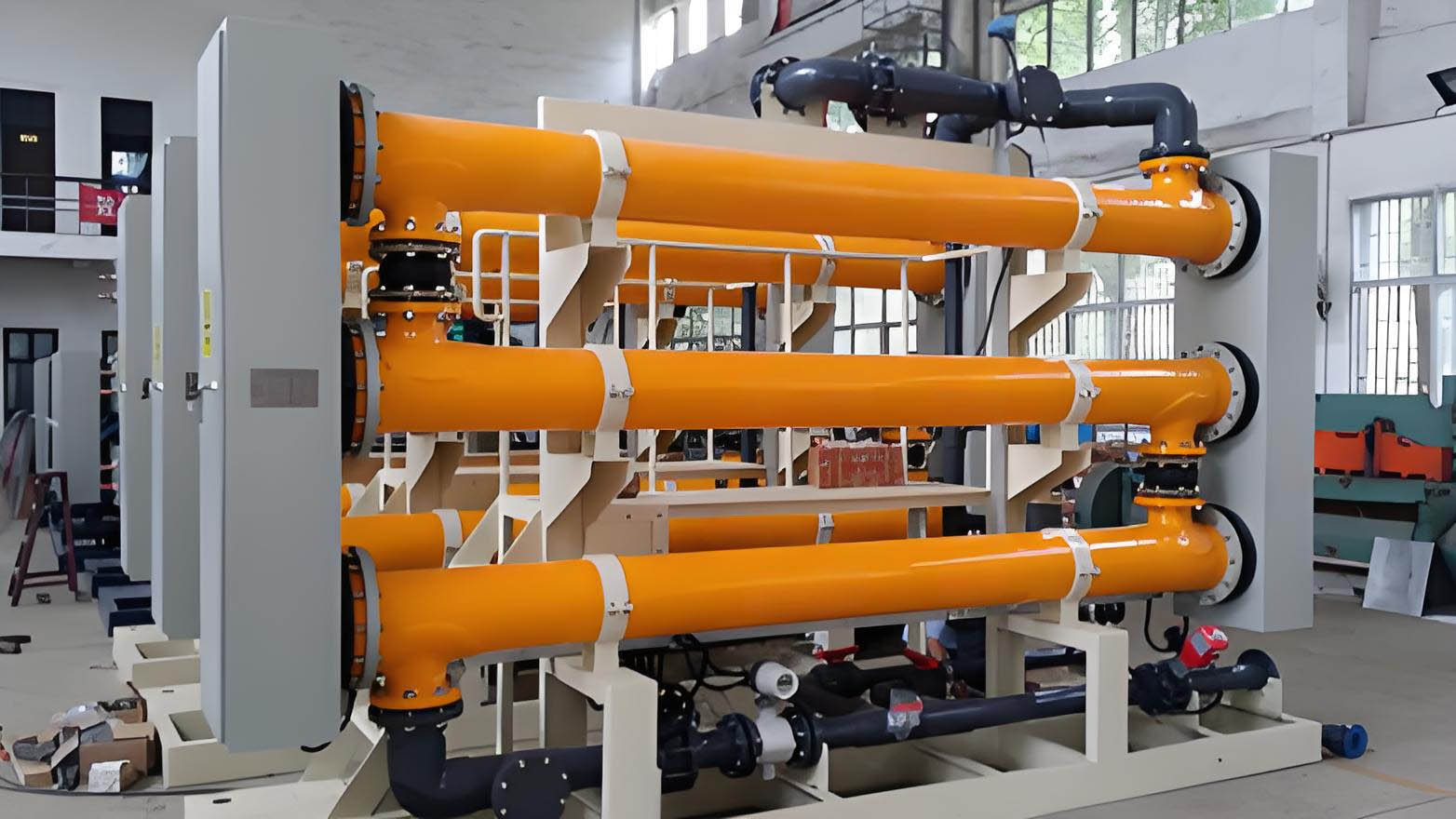
Water disinfection is the core link of municipal water supply, industrial wastewater treatment, and circulating water purification. The selection of disinfection technology directly determines the safety of water quality, operational risk, long-term operating cost, and environmental compliance level of the entire water treatment system. For decades, traditional liquid chlorine disinfection has dominated the water treatment industry relying on its simple process and low initial investment. However, with the upgrading of industry safety standards, environmental protection policies and refined water treatment requirements, on-site electrolysis disinfection technology has gradually become a mainstream alternative with its high safety, precise dosage control and green environmental advantages.
To help water treatment enterprises, water plants and industrial users select the most suitable disinfection solution, this article will conduct a comprehensive and in-depth comparison between on-site electrolysis disinfection and traditional liquid chlorine disinfection from multiple core dimensions including working principle, safety performance, disinfection efficiency, operating cost, daily operation and maintenance, and environmental impact.
1. Basic Working Principle Comparison
The core disinfection mechanism of the two technologies is based on chlorine oxidation, but the chlorine generation and application modes are fundamentally different, which lays the essential difference in their subsequent performance.
Traditional Liquid Chlorine Disinfection: This technology adopts the mode of off-site production + on-site storage and dosing. Industrial liquid chlorine is produced, purified and packaged in professional chemical factories, transported to the water treatment site in high-pressure steel cylinders, and volatilized into chlorine gas after decompression. It is dissolved in water to form hypochlorous acid with strong oxidizing properties, so as to kill bacteria, viruses, algae and other microorganisms in the water body and complete water disinfection.
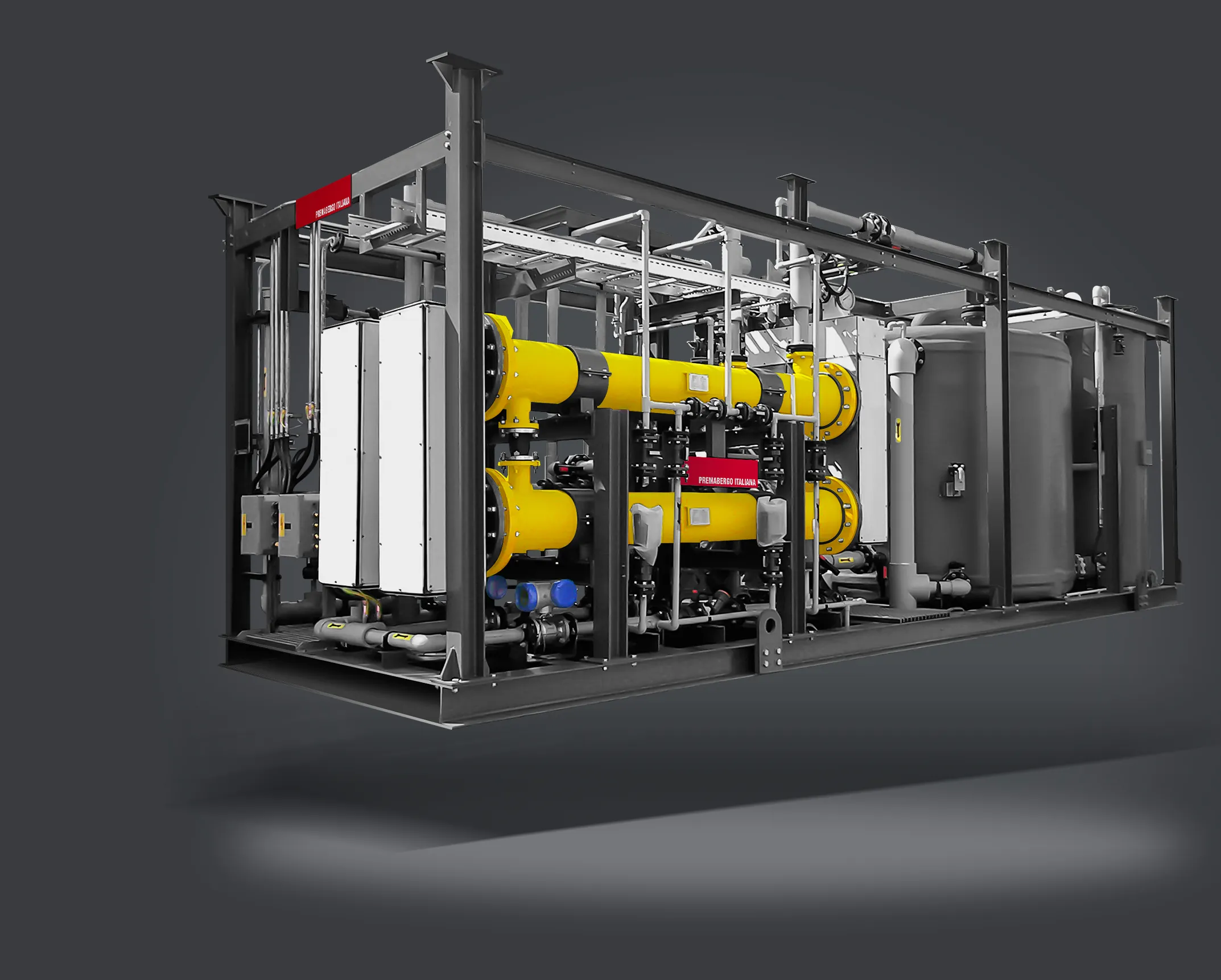
On-site Electrolysis Disinfection: It is a green on-demand disinfection technology. The system uses harmless raw materials (industrial salt and tap water/raw water) and generates low-concentration sodium hypochlorite disinfectant instantly through brine electrolysis reaction on the equipment site. There is no need for long-distance transportation and large-scale storage of chlorine chemicals. The electrolysis process can be adjusted in real time according to water volume and water quality changes, realizing synchronous generation and use of disinfectant.
2. Safety Risk Analysis (Core Advantage of On-site Electrolysis)
Safety is the primary consideration for water treatment operation, and it is also the most obvious gap between the two disinfection technologies. Traditional liquid chlorine has always been a high-risk link in water plant operation due to the characteristics of hazardous chemicals.
Traditional liquid chlorine is a highly toxic, corrosive and pressurized dangerous chemical. In the links of long-distance transportation, cylinder handling, on-site storage and decompression dosing, there are huge hidden dangers such as chlorine gas leakage, cylinder explosion and personnel poisoning. Once leakage occurs, toxic chlorine gas will spread rapidly, endangering the safety of on-site operators and the surrounding environment, and even causing major safety accidents. In addition, liquid chlorine storage and use need to meet strict national hazardous chemical management standards, with special storage warehouses, anti-leakage facilities and professional safety management personnel, bringing high safety management costs and compliance risks to enterprises.
On-site electrolysis disinfection completely avoids the above risks. The whole system only stores ordinary industrial salt, which is non-toxic, harmless and safe to store and transport. The disinfectant is generated on demand with low concentration (stable below 0.8% effective chlorine), and there is no large accumulation of high-risk chlorine chemicals on site. Even if the pipeline leaks accidentally, the low-concentration sodium hypochlorite solution is easy to dilute and neutralize, with minimal harm to personnel and the environment. It fundamentally eliminates the safety hazards of hazardous chemical storage and transportation, and greatly reduces the operational safety management pressure of water treatment stations.
3. Disinfection Efficiency & Water Quality Effect Comparison
Both technologies can meet the national water disinfection standards, but there are significant differences in dosage accuracy, disinfection stability and by-product control.
Traditional liquid chlorine has strong instantaneous oxidation and high disinfection intensity, which can quickly inactivate microorganisms. However, its dosage control accuracy is low. Affected by water temperature, water flow fluctuation and cylinder pressure changes, excessive or insufficient dosing often occurs. Excessive chlorine dosage will produce a large number of disinfection by-products such as trihalomethanes, which affect water quality safety; insufficient dosage will lead to unqualified disinfection effect and residual chlorine exceeding the standard or failing to meet the standard.
The on-site electrolysis system supports intelligent adjustable dosing. By linking water flow and water quality monitoring data, the electrolysis current and disinfectant output can be precisely adjusted in real time to maintain a stable residual chlorine concentration in the water body (consistent with WHO drinking water residual chlorine guidelines). The generated hypochlorous acid has milder and more lasting oxidation activity, uniform disinfection effect, stronger ability to inactivate viruses and algae, and can effectively reduce the generation of harmful disinfection by-products. The treated water has stable water quality and no peculiar smell, which is more suitable for high-standard drinking water treatment and reclaimed water reuse scenarios.
4. Long-term Operating Cost Comparison
In terms of comprehensive cost, on-site electrolysis has prominent long-term cost advantages despite its slightly higher initial equipment investment.
The initial investment of liquid chlorine disinfection is low, only needing simple dosing equipment and storage facilities. But the long-term comprehensive cost is high, including: expensive liquid chlorine chemical procurement cost, high hazardous chemical transportation fees, special safety inspection and personnel training costs, and regular maintenance and replacement costs of anti-corrosion and anti-leakage equipment. In addition, the price of liquid chlorine is affected by the chemical market, with large price fluctuations, resulting in unstable operating costs.
On-site electrolysis equipment has a one-time moderate investment and long service life. Its daily operating raw materials are only industrial salt and a small amount of electric energy, with extremely low raw material cost and no expensive chemical procurement and long-distance transportation cost. The system has a high degree of automation, basically realizing unattended operation, greatly saving labor costs. Although regular equipment maintenance is required, the maintenance difficulty and cost are far lower than the safety maintenance cost of liquid chlorine system. For long-term operation of water plants and large-scale water treatment projects, the comprehensive cost of on-site electrolysis can be saved by 20%-30% annually.
5. Operation & Maintenance Difficulty
Traditional liquid chlorine disinfection relies heavily on professional operators. Operators need to hold special operation certificates, and master professional skills such as cylinder replacement, pressure regulation, leakage detection and emergency disposal. The daily operation process is complicated, with high professional requirements and great operational risk. At the same time, the equipment is highly corrosive, and pipelines, valves and dosing devices are easy to age and damage, requiring frequent inspection and replacement.
Modern on-site electrolysis disinfection equipment is highly automated and intelligent, equipped with automatic water feeding, automatic electrolysis, automatic dosing and fault alarm systems. The whole process can run unattended 24 hours a day, with simple daily maintenance, only regular salt replenishment and equipment routine inspection. The equipment has strong corrosion resistance, stable operation and low failure rate, which greatly reduces the threshold of daily operation and maintenance and human error risks.
6. Environmental Protection & Policy Compliance
With the continuous tightening of national environmental protection and safety production policies, the management of hazardous chemicals in the water treatment industry is becoming more and more standardized. Traditional liquid chlorine, as a key monitored hazardous chemical, faces increasingly strict approval, storage and use supervision, and many small and medium-sized water plants are facing rectification pressure.
On-site electrolysis disinfection is a national advocated green and environmentally friendly disinfection technology. It has no hazardous chemical storage links, no secondary pollution in the operation process, low disinfection by-products, and fully meets the requirements of environmental protection, safety production and water quality compliance standards. It can help enterprises effectively avoid policy risks and meet the green and low-carbon development trend of the water treatment industry.
7. Conclusion: Which Disinfection Technology Is More Suitable?
Traditional liquid chlorine disinfection is still applicable to small, short-term and low-standard water treatment projects with limited budget and low safety management requirements due to its low initial investment. However, for municipal water supply plants, large-scale industrial circulating water treatment, reclaimed water reuse projects and long-term stable operation of water treatment systems, on-site electrolysis disinfection is undoubtedly the optimal solution.
On-site electrolysis technology achieves comprehensive upgrades in safety, water quality stability, operating cost, operation and maintenance convenience and environmental compliance, perfectly solving the various pain points of traditional liquid chlorine disinfection. It is the mainstream development direction of water disinfection technology in the future.