
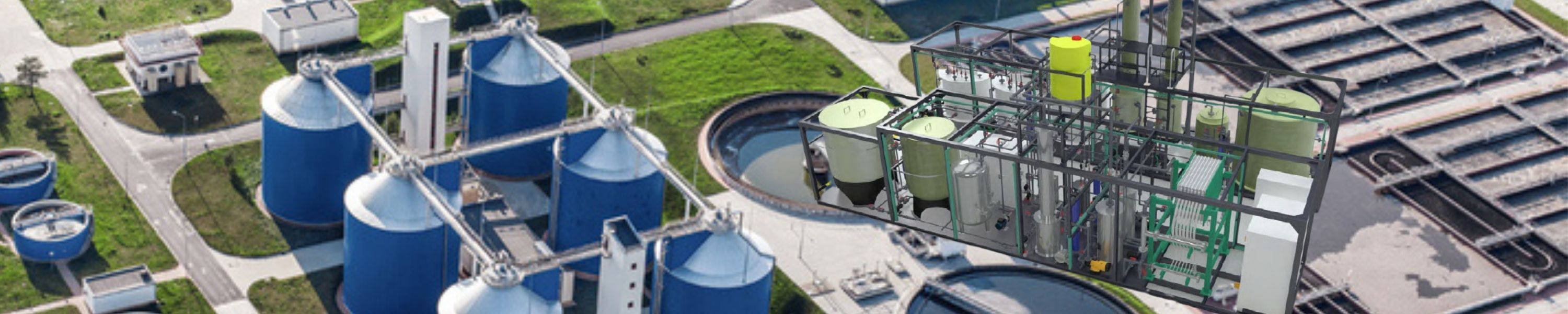
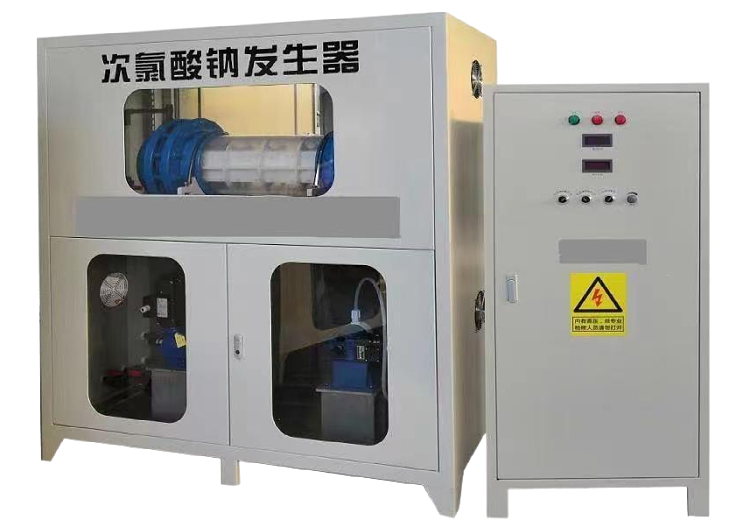
Sodium hypochlorite remains one of the most widely‑used broad‑spectrum disinfectants across hospital facilities. Many medical facilities choose it because it delivers strong germ‑killing performance, holds stable disinfection effect, and can be prepared and stored on‑site with relatively low effort. In real‑world hospital disinfection work, Bluewav BSH‑H series sodium hypochlorite has shown stable performance for multiple hospital‑level disinfection tasks.
I. How Sodium Hypochlorite Kills Pathogens
Sodium hypochlorite works through powerful oxidation and chlorination effects. It penetrates microbial cells, breaks down cell membranes and destroys internal protein structures, which eventually kills bacteria, viruses, fungi and other harmful pathogens.
Hospital teams apply this disinfectant in operating rooms, patient wards, and for routine medical‑device sanitization. It forms an important front‑line barrier for daily hospital hygiene and biosafety management.
II. Sodium Hypochlorite for Dental Department Use
In dental clinics and hospital dental departments, sodium hypochlorite is the standard irrigant for root‑canal treatment. During therapy, it washes away infected debris inside root canals, dissolves dead necrotic tissue, lubricates canal walls and suppresses local bacteria. When operators control concentration properly, it helps cut post‑operative infection risks and raise root‑canal treatment success rates.
One critical point field workers cannot ignore: sodium hypochlorite is corrosive. Improper concentration or careless operation may burn soft oral tissue around the treatment area. Clinicians must strictly follow clinical guidelines for concentration and dosage.
III. Environmental Surface Disinfection inside Hospitals
Apart from dental treatment, sodium hypochlorite is heavily used for hospital environmental disinfection. Hospital staff apply it for air misting, table‑top surface wiping, and floor disinfection. Spraying and wiping methods help suppress pathogens lingering on surfaces and in indoor air.
Besides space sanitation, diluted sodium hypochlorite solutions can disinfect reusable medical supplies such as surgical instruments and syringes, supporting hospital aseptic control requirements.
IV. Sodium Hypochlorite for Hospital Wastewater Disinfection
Hospital wastewater carries large quantities of pathogens and poses real cross‑infection risks through drainage networks. Sodium hypochlorite disinfects wastewater by killing pathogens inside the water body, stopping germ transmission through sewer pipelines.
In practical engineering projects, sodium hypochlorite is frequently mixed with other disinfecting agents to achieve better overall disinfection results for hospital sewage.
V. Practical Guidance for Safe Use and Storage
Good disinfection results come with safety risks. Sodium hypochlorite is highly corrosive. Splashes onto skin or eyes can cause chemical burns.
Operators must wear proper personal protective equipment: rubber gloves, safety goggles and masks before handling the liquid.
For on‑site storage:
- Store sodium hypochlorite in cool, dry and well‑ventilated areas
- Keep away from heat sources and combustible materials
- Prevent direct sunlight and high‑temperature storage conditions
Conclusion
For hospital‑scenario disinfection, sodium hypochlorite cannot be easily replaced, thanks to its reliable germ‑killing power, flexible application and convenient storage. Still, every usage procedure must follow official operation specifications to keep staff and the whole hospital environment safe.
As medical‑site hygiene requirements keep rising, Bluewav BSH‑H series sodium hypochlorite will see more practical adoption in medical‑related scenarios. Our team continues to test real‑world application cases to find more usable solutions for hospital health‑safety demands.