
Liquid chlorine (chemical formula Cl₂, CAS 7782-50-5) is a fundamental high-purity inorganic chemical product produced through the mature chlor-alkali electrolysis process. Under normal temperature and pressurized conditions, chlorine gas turns into a yellow-green transparent liquid with strong oxidizing, sterilizing, and bleaching properties. As one of the most essential bulk chemicals in the global industrial chain, industrial-grade liquid chlorine features high purity, stable chemical activity, and cost-effective application performance. It serves as a core raw material and functional reagent widely adopted in municipal infrastructure, fine chemical manufacturing, environmental protection treatment, light industry processing, metallurgical industry, and aquaculture. With strict quality control standards, qualified liquid chlorine ensures efficient, safe, and sustainable production for countless downstream industrial enterprises worldwide.
Different from gaseous chlorine, liquefied chlorine boasts higher density and easier storage and transportation, which greatly improves the utilization efficiency of chlorine resources. It can be quickly vaporized into high-activity chlorine gas after decompression, participating in oxidation, substitution, and addition chemical reactions. This unique physical and chemical property makes liquid chlorine an irreplaceable basic chemical raw material in modern industrial production, supporting the operation of multiple industrial production chains.
1. Core Application: Municipal & Industrial Water Treatment
Water treatment is the largest and most mainstream application field of industrial liquid chlorine, covering municipal drinking water treatment, industrial wastewater purification, circulating cooling water maintenance, and recreational water body disinfection. For municipal water supply plants, liquid chlorine is the most traditional and reliable disinfection reagent, which can efficiently kill Escherichia coli, bacteria, viruses, spores, and various pathogenic microorganisms in raw water. It effectively eliminates waterborne pathogens, prevents the spread of waterborne infectious diseases, and ensures that tap water meets national and international drinking water safety standards for residential and commercial use.
In industrial environmental protection scenarios, liquid chlorine plays multiple key roles. It is widely used for disinfection and sterilization of factory sewage, removal of organic pollutants, oxidation of harmful reducing substances, and deodorization of polluted water bodies. In addition, it can inhibit the reproduction of algae and microorganisms in industrial circulating cooling water systems, preventing pipeline blockage, equipment corrosion, and water quality deterioration caused by algal blooms, thus extending the service life of industrial water equipment and reducing enterprise operation and maintenance costs. It is also universally applicable in seawater desalination projects, swimming pool water circulation systems, urban sewage treatment plants, and mining water treatment projects, with stable treatment effects and low comprehensive application cost.
2. Key Raw Material for Global Chemical Synthesis Industry
Liquid chlorine is the most critical chlorine source raw material for the chlorinated chemical industry, and nearly 60% of global liquid chlorine output is used for the synthesis of various organic and inorganic chlorine chemicals. It is an indispensable foundational material for the chemical and new material manufacturing industry, providing stable chlorine elements for complex chemical synthesis reactions.
In the field of organic chemical synthesis, high-purity liquid chlorine is mainly used to produce polyvinyl chloride (PVC), chlorinated polyethylene (CPE), chlorinated rubber, and various plastic additives, which are widely used in construction materials, automotive manufacturing, packaging materials, and daily consumer goods industries. Meanwhile, it is also an important intermediate raw material for the production of pharmaceutical intermediates, pesticide chemicals, industrial solvents, and detergent raw materials, supporting the production of fine chemicals and pharmaceutical and pesticide industries.
In terms of inorganic chemical production, liquid chlorine can be processed into sodium hypochlorite, ferric chloride, aluminum chloride, bleaching powder, and other series of inorganic chlorine products. These downstream products are widely used in water treatment, environmental protection, printing and dyeing, and chemical auxiliary industries, forming a complete and mature industrial chain of chlor-alkali chemicals.
3. Professional Bleaching Agent for Pulp, Paper & Textile Industry
The pulp and paper industry is a major downstream consumption field of liquid chlorine, relying on its strong oxidative bleaching performance to optimize pulp quality. In the papermaking process, liquid chlorine is used for the bleaching of wood pulp, bamboo pulp, and recycled pulp. It can effectively decompose and remove lignin, pigment impurities, and macromolecular organic substances in pulp, significantly improving the whiteness, brightness, and uniformity of paper products. It is suitable for the production of high-grade printing paper, writing paper, packaging paper, and recycled environmental protection paper, ensuring stable color and quality of finished paper.
In the textile and garment industry, liquid chlorine is a common professional pretreatment reagent for fabric processing. It is mainly used for bleaching and impurity removal of cotton, linen, blended fabrics, and industrial textiles. It can remove natural pigments, wax impurities, and floating stains on the surface of raw fabrics, make the fabric color uniform and bright, and improve the dyeing affinity and finishing effect of subsequent fabrics. Compared with other bleaching agents, liquid chlorine has the advantages of fast bleaching speed, low cost, and obvious impurity removal effect, which is very suitable for large-scale batch production in textile factories.
4. Important Applications in Metallurgy, Environmental Protection & Other Industrial Fields
Liquid chlorine has unique application value in the non-ferrous metallurgy industry. It is commonly used for smelting, extraction, and high-purity purification of magnesium, titanium, zirconium, and rare metals. In the high-temperature smelting process, liquid chlorine can react with metal impurities to generate soluble metal chlorides, realizing the separation of target metals and impurity components, greatly improving the purity and yield of rare and non-ferrous metals, and meeting the high-precision raw material requirements of aerospace, new energy, and high-end manufacturing industries.
In addition to the above core fields, liquid chlorine also has a wide range of auxiliary industrial uses. In the environmental protection industry, it is used for waste gas treatment and sterilization and deodorization of industrial waste gas, oxidizing and decomposing harmful gas components such as hydrogen sulfide and ammonia gas. In the aquaculture industry, it is used for pond water disinfection and water quality improvement to reduce aquaculture diseases. In the food processing industry, it is applied for sanitary disinfection of production equipment and processing sites. It also provides raw material support for rubber vulcanization and daily chemical product processing, covering multiple segmented industrial fields.
5. Industrial Liquid Chlorine Product Specifications & Quality Standards
Qualified industrial-grade liquid chlorine implements strict international production standards, with a core purity of ≥99.6%, and the contents of impurities such as water, iron, and residual alkali are strictly controlled within the safe index range. High-purity liquid chlorine features low impurity content, stable chemical activity, and no invalid components, which can effectively avoid side reactions in downstream production and ensure the stability and qualification rate of finished chemical products.
Our supplied liquid chlorine adopts professional pressure-resistant steel cylinder packaging and tank truck transportation, with standardized packaging specifications and complete product qualification certificates and safety data sheets (SDS). It is suitable for long-distance cross-border transportation and long-term industrial storage, meeting the bulk procurement and continuous production needs of global industrial customers.
6. Safety Storage, Transportation & Operation Guidelines
Liquid chlorine is a hazardous chemical with toxicity and corrosivity, so standardized operation and management must be implemented in storage, transportation, and use links. In terms of storage, it needs to be placed in a cool, dry, and well-ventilated special chemical warehouse, away from high temperature, open fire, acidic and alkaline substances, and flammable materials, to avoid volatilization leakage and chemical reaction accidents.
During transportation, professional hazardous chemical transport vehicles and sealed pressure-resistant containers must be used, and transportation personnel need to hold valid operation certificates and be equipped with complete leakage prevention and emergency protection equipment. In on-site operation, staff must wear professional protective clothing, gas masks, and anti-corrosion gloves, and be equipped with chlorine gas detection and alarm devices to ensure production safety. All operation procedures strictly comply with international hazardous chemical safety specifications to eliminate potential safety hazards.
Conclusion
As a basic and strategic bulk chemical, liquid chlorine runs through the entire modern industrial system. Its stable physical and chemical properties and diverse functional characteristics make it indispensable in water environmental protection, chemical synthesis, light industry processing, metallurgical manufacturing, and other fields. High-quality industrial liquid chlorine is an important guarantee for the stable operation of downstream industrial chains. We provide high-purity, standard-compliant liquid chlorine products and one-stop supply services for global industrial buyers, with stable supply capacity, standardized packaging and transportation, and professional technical support, to meet the diversified production needs of customers in various industries.
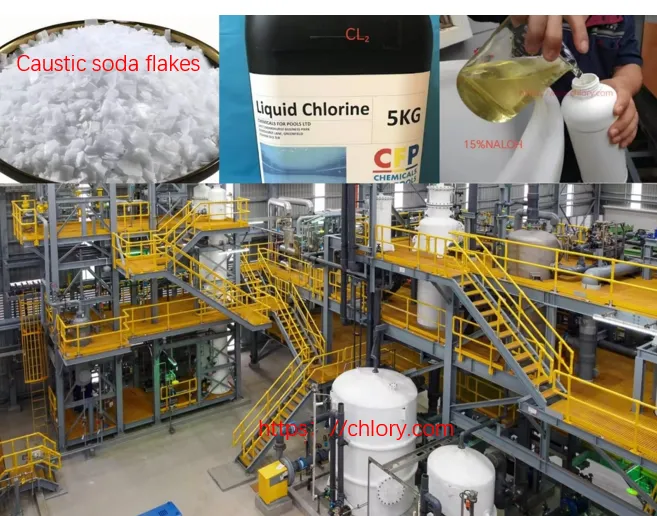
Boasting 25 years of professional industry experience in production and supply, Chlory factory delivers premium,cost-effective chemical products with reliable quality. Equipped with fully automatic production systems and scientific modular production line design, we achieve stable output, high efficiency and low energy consumption while strictly complying with industrial standards. Different from ordinary manufacturers, Chlory provides flexible customized services tailored to diverse customer needs on product specifications, packaging and solutions. With direct factory pricing and optimized production processes, we help clients cut procurement costs and obtain high-quality, stable chemical supplies with comprehensive professional support.