For ocean-going vessels and offshore platforms, access to safe, reliable freshwater is not a convenience—it’s a critical operational requirement. Whether for drinking, cooking, sanitation, or technical processes, water quality directly impacts crew health, equipment longevity, and regulatory compliance. However, traditional water treatment methods, such as stored chlorine or bromine tablets, present significant challenges for long-term maritime and offshore operations. This is where on-site hypochlorous acid (HOCl) generation emerges as a transformative solution.
The Unique Water Safety Challenge at Sea
Maritime and offshore environments face distinct hurdles in maintaining water safety:
-
Extended Voyages & Remote Locations: Resupplying chemical disinfectants is often impossible for months.
-
Storage & Stability Issues: Traditional chlorine chemicals degrade over time, especially in humid, salty air, losing potency and requiring large, hazardous storage space.
-
Dosing Inconsistency: Manual dosing can lead to fluctuating disinfectant levels, risking microbial growth or harmful by-products.
-
Biofilm Formation: Piping systems are vulnerable to resilient biofilm, which can harbor pathogens like Legionella and survive standard shock treatments.
On-Site Hypochlorous Acid Generation: The Autonomous Solution
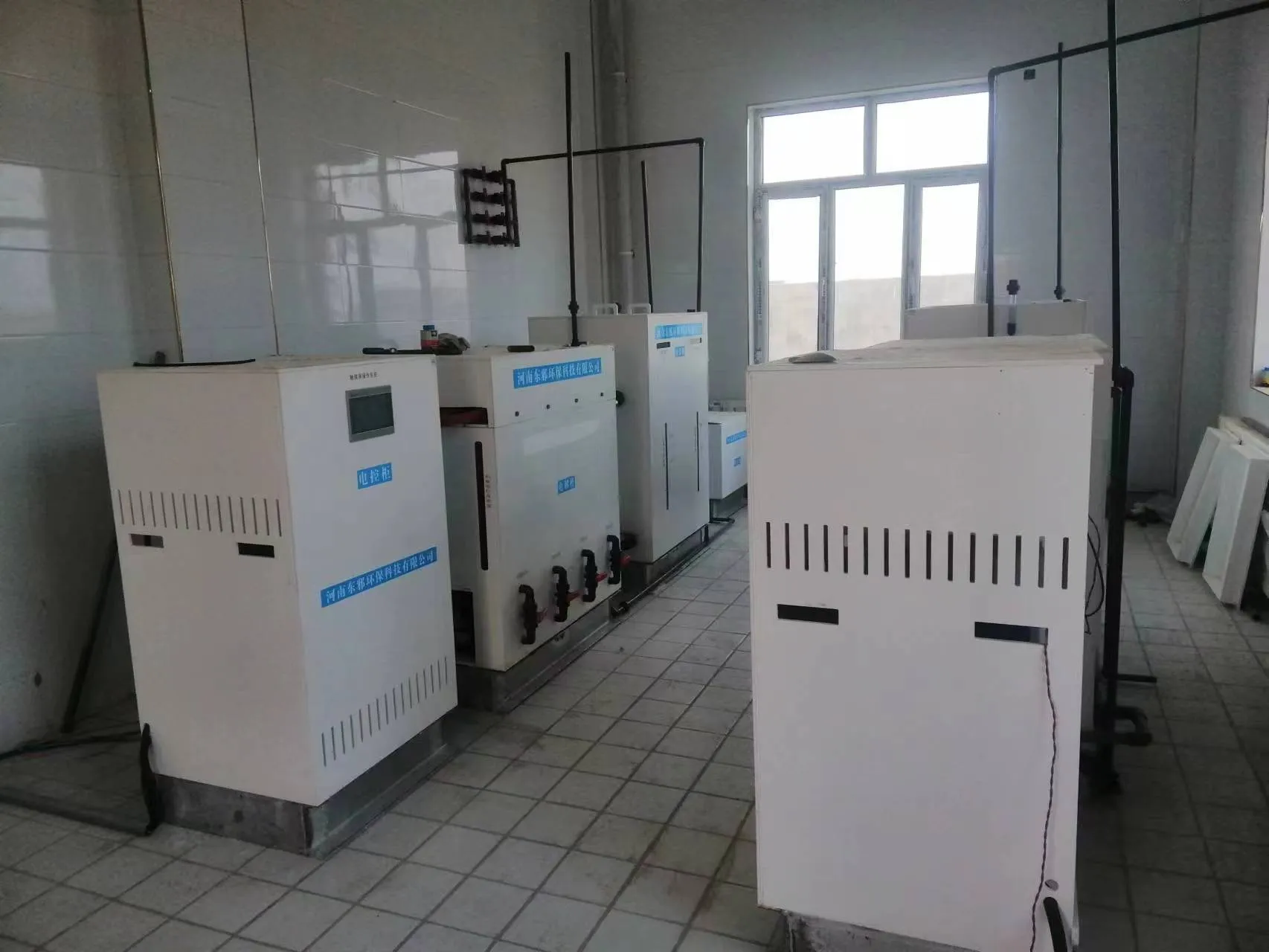
Modern electrolytic hypochlorous acid generators offer a self-sufficient answer. These compact systems use only salt, water, and electricity to produce a highly effective disinfectant solution on demand.
How It Works Onboard:
Seawater or a brine solution is passed through an electrolytic cell. A controlled low-voltage current triggers a reaction that converts the salt (NaCl) into hypochlorous acid (HOCl), the most powerful and fast-acting oxidant in the chlorine family. The solution is then precisely dosed into freshwater storage tanks and distribution systems.
Key Advantages for the Maritime & Offshore Sector
-
Unmatched Operational Independence: Produce disinfectant as needed, eliminating reliance on chemical supply chains and storage logistics. This is crucial for remote platforms and vessels on long-haul routes.
-
Superior Efficacy & Safety: Hypochlorous acid is 80-100 times more effective than hypochlorite (bleach) at killing bacteria, viruses, and spores. It works rapidly at lower concentrations and a near-neutral pH, making it safer to handle and less corrosive to vessel infrastructure.
-
Effective Biofilm Control: HOCl’s excellent surface-wetting ability and low molecular weight allow it to penetrate and disrupt biofilm matrices, addressing a root cause of persistent contamination.
-
Reduced Hazard & Storage Needs: Remove large inventories of hazardous chemicals. The system uses only minimal, non-hazardous salt, drastically improving onboard safety and freeing up valuable space.
-
Cost-Effectiveness & Sustainability: Significant reduction in chemical purchase, transportation, and handling costs. The process uses minimal salt and electricity, and the solution is non-toxic, breaking down into harmless salts, aligning with environmental stewardship goals.
-
Automated, Precise Control: Integrates with modern monitoring systems for real-time, precise dosing based on water demand and quality sensors, ensuring consistent residual protection throughout the entire water network.
Implementation: From Megaships to Remote Rigs
This technology is scalable and versatile:
-
Cruise Liners & Cargo Vessels: Ensure passenger and crew health with consistent, safe potable water.
-
Offshore Oil & Gas Platforms: Secure water autonomy for large crews living and working far from shore for extended periods.
-
FPSOs (Floating Production Storage & Offloading units): Provide robust, low-maintenance water treatment for these long-term offshore facilities.
-
Naval & Research Vessels: Guarantee water security in the most demanding and isolated missions.
Conclusion
For industries that operate beyond the horizon, water security cannot be left to chance or outdated methods. On-site hypochlorous acid generation represents a paradigm shift—offering a reliable, efficient, and autonomous solution to the persistent challenge of freshwater safety. It empowers ship operators and offshore facility managers to take full control of their water treatment, ensuring compliance, protecting human health, and supporting smooth, uninterrupted operations no matter the distance from port.
Investing in on-site HOCl generation is an investment in ultimate resilience for the demanding environment of the open ocean.