Chlorination has long been a cornerstone of disinfection in industrial and municipal water treatment, effectively inactivating pathogens, controlling biofilm growth, and preventing waterborne contamination. For decades, traditional chlorine dosing systems—relying on gaseous chlorine or liquid sodium hypochlorite (bleach)—have dominated the market. However, these systems come with inherent risks, including transportation and storage hazards, corrosivity, residual by-products, and high operational costs. In recent years, electrolytic chlorination has emerged as a safer, more efficient, and sustainable alternative. This article explores how electrolytic chlorination technology replaces traditional chlorine dosing systems, its core advantages, implementation considerations, and real-world applicability.
Understanding the Core Differences: Electrolytic Chlorination vs. Traditional Chlorine Dosing
To grasp why electrolytic chlorination is a viable replacement, it’s critical to distinguish between the two technologies and their operating principles:
Traditional Chlorine Dosing Systems
Traditional systems typically use one of two forms of chlorine:
-
Gaseous Chlorine: Stored as compressed gas in high-pressure cylinders, gaseous chlorine is dosed into water via vacuum feed systems. While highly effective, it is extremely toxic—even small leaks can cause respiratory distress, chemical burns, or fatalities. It also reacts with organic matter in water to form harmful disinfection by-products (DBPs) such as trihalomethanes (THMs) and haloacetic acids (HAAs), which pose long-term health risks.
-
Liquid Sodium Hypochlorite: A more commonly used alternative to gaseous chlorine, sodium hypochlorite is a liquid that is easier to handle but still corrosive to equipment and skin. It degrades over time (especially when exposed to heat or light), requiring frequent replacement and storage in specialized containers. Like gaseous chlorine, it also produces DBPs and requires careful dosing to avoid residues.
Electrolytic Chlorination Systems
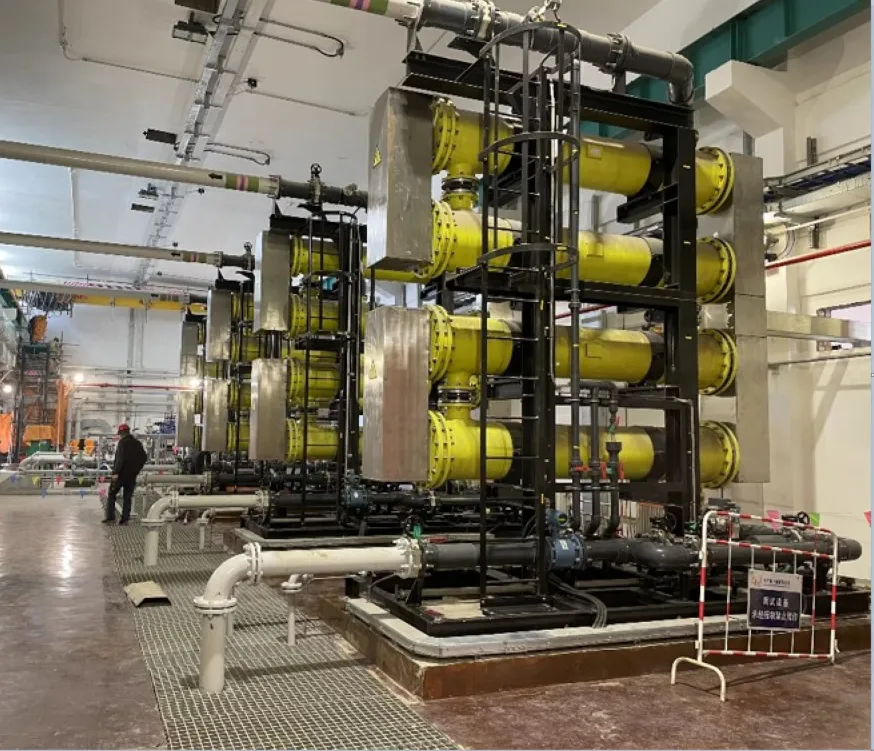
Electrolytic chlorination systems produce chlorine-based disinfectants on-site by electrolyzing a solution of water and salt (sodium chloride) or brine. The electrolysis process splits the salt and water molecules to generate hypochlorous acid (HOCl), sodium hypochlorite, and other oxidizing agents—all of which are effective disinfectants. Key variations include:
-
Unipolar Electrolysis: Uses flat electrodes and a brine solution to produce sodium hypochlorite (typically 0.8-1.2% concentration) for large-scale applications like municipal wastewater treatment.
-
Bipolar Electrolysis: Employs stacked electrode plates to generate high-purity hypochlorous acid (50-200 ppm) for industrial applications requiring low concentrations and residue-free disinfection, such as food processing or cooling water systems.
Unlike traditional systems, electrolytic chlorination eliminates the need for transporting and storing hazardous chlorine, as it only requires tap water, salt, and electricity to produce disinfectant on demand.
Key Advantages of Electrolytic Chlorination as a Replacement
Electrolytic chlorination addresses the critical limitations of traditional chlorine dosing systems, making it a superior replacement for most water treatment scenarios:
1. Enhanced Safety: Eliminating Hazards of Chlorine Handling
The greatest risk of traditional chlorine systems is the danger of leaks, spills, or accidental exposure. Gaseous chlorine is classified as a hazardous material (HazMat), requiring specialized storage facilities (ventilated, fire-resistant rooms), protective equipment (PPE), and emergency response plans. Sodium hypochlorite, while less toxic, is corrosive and can cause chemical burns if spilled. Electrolytic chlorination produces disinfectant on-site, eliminating the need to transport or store large quantities of hazardous chlorine. The raw materials (salt and water) are non-toxic and readily available, significantly reducing safety risks and compliance burdens with occupational health and safety (OHS) regulations.
2. Reduced Disinfection By-Products (DBPs)
Traditional chlorine systems react with organic matter in water to form DBPs, which are regulated by global authorities (e.g., EPA, EU) due to their carcinogenic potential. Electrolytic chlorination produces a higher ratio of hypochlorous acid (the most effective and least reactive disinfectant form) compared to sodium hypochlorite. This reduces the formation of THMs and HAAs by 30-50% in most applications, helping facilities meet strict water quality standards without additional treatment steps (e.g., activated carbon filtration).
3. Lower Operational and Maintenance Costs
While the initial investment in electrolytic chlorination equipment may be higher than traditional systems, the long-term operational costs are significantly lower:
-
Raw Material Savings: Salt and electricity are far cheaper than purchasing pre-manufactured sodium hypochlorite or gaseous chlorine. For a medium-sized industrial facility, this can reduce annual disinfectant costs by 40-60%.
-
Reduced Equipment Corrosion: Electrolytic disinfectants are less corrosive than traditional chlorine solutions, extending the lifespan of pipelines, pumps, and storage tanks. This lowers maintenance and replacement costs by 20-30% over the system’s lifetime (10-15 years).
-
Minimal Waste: On-demand production eliminates waste from degraded sodium hypochlorite (which typically has a shelf life of only 1-3 months) or unused gaseous chlorine.
4. Flexibility and Scalability
Electrolytic chlorination systems are highly adaptable to varying water flow rates and disinfection requirements. Modular designs allow for easy scaling—adding units as water treatment demands increase (e.g., plant expansion). They can also be adjusted to produce different disinfectant concentrations (50-2000 ppm) to match specific applications, from cooling water disinfection to wastewater treatment. This flexibility makes them suitable for a wide range of industries, including manufacturing, petrochemicals, food processing, and municipal water treatment.
5. Environmental Sustainability
Traditional chlorine systems generate hazardous waste (e.g., empty gas cylinders, spent sodium hypochlorite containers) that require specialized disposal. Electrolytic chlorination produces no hazardous waste, as the by-products of electrolysis (sodium hydroxide, hydrogen gas) are either reused in the process or safely neutralized. Additionally, the reduced energy consumption (compared to transporting and manufacturing chlorine) and lower DBP formation make electrolytic chlorination a more environmentally sustainable option, aligning with global green water treatment initiatives.
Implementation Considerations for Replacing Traditional Systems
While electrolytic chlorination offers clear benefits, successful replacement of traditional chlorine dosing systems requires careful planning and consideration of the following factors:
1. Water Quality and Brine Preparation
The efficiency of electrolytic chlorination depends on the quality of the feed water and brine. Hard water (high calcium and magnesium content) can cause scaling on electrodes, reducing system efficiency. Facilities should use filtered water (removing suspended solids and heavy metals) and high-purity salt to minimize scaling and extend electrode life. Regular cleaning of electrodes (every 1-3 months, depending on water quality) is also essential.
2. System Integration with Existing Infrastructure
Electrolytic chlorination systems can be integrated with existing water treatment infrastructure (e.g., dosing pumps, mixing tanks, control systems) with minimal modifications. However, it’s important to ensure compatibility with existing equipment (e.g., material compatibility with hypochlorous acid) and to install appropriate monitoring systems (e.g., chlorine residual sensors, pH meters) to maintain consistent disinfection efficacy.
3. Regulatory Compliance and Training
Facilities must ensure that the electrolytic chlorination system meets local regulatory standards for disinfection efficacy and water quality. While electrolytic disinfectants are widely approved (e.g., EPA, FDA), it’s critical to maintain records of disinfectant concentration, dosing rates, and water quality testing. Additionally, operators should receive training on system operation, maintenance, and safety protocols to ensure optimal performance.
4. Sizing the System Correctly
The size of the electrolytic chlorination system depends on the maximum water flow rate, required disinfectant concentration, and application (e.g., continuous vs. batch treatment). Undersizing the system will result in insufficient disinfection, while oversizing will increase initial costs and energy consumption. Conducting a thorough water treatment audit before installation is essential to determine the correct system size.
Real-World Application: Electrolytic Chlorination Replaces Gaseous Chlorine in a Municipal Wastewater Plant
A municipal wastewater treatment plant in the Midwest U.S. previously used gaseous chlorine for final disinfection, handling over 5 million gallons of wastewater per day. The plant faced ongoing challenges, including high costs for chlorine cylinder delivery and storage, frequent equipment corrosion, and concerns about DBP formation. In 2023, the plant replaced its gaseous chlorine system with a modular electrolytic chlorination system.
The new system produces sodium hypochlorite on-site using brine, eliminating the need for chlorine cylinders. Within six months of installation, the plant reduced disinfectant costs by 45%, decreased equipment corrosion-related maintenance by 30%, and cut DBP formation by 40%. The plant also eliminated the need for HazMat storage and emergency response plans, improving worker safety and regulatory compliance. The system’s modular design allows for easy expansion as the city’s population grows, ensuring long-term scalability.
Conclusion
Electrolytic chlorination represents a transformative alternative to traditional chlorine dosing systems, offering enhanced safety, reduced costs, lower environmental impact, and greater flexibility. By eliminating the hazards of chlorine transportation and storage, reducing DBP formation, and adapting to diverse water treatment needs, electrolytic chlorination is becoming the preferred choice for industrial and municipal facilities worldwide. While successful replacement requires careful planning, system sizing, and integration, the long-term benefits—including improved safety, compliance, and operational efficiency—make it a worthwhile investment for any facility looking to optimize its water disinfection process.