
Hypochlorous acid (HOCl), as a highly effective, residue-free, broad-spectrum fungicide, has been regarded by the global agricultural community as an ideal alternative to traditional chemical fungicides, especially in addressing the problem of herbicide resistance in blueberry gray mold (Botrytis cinerea).
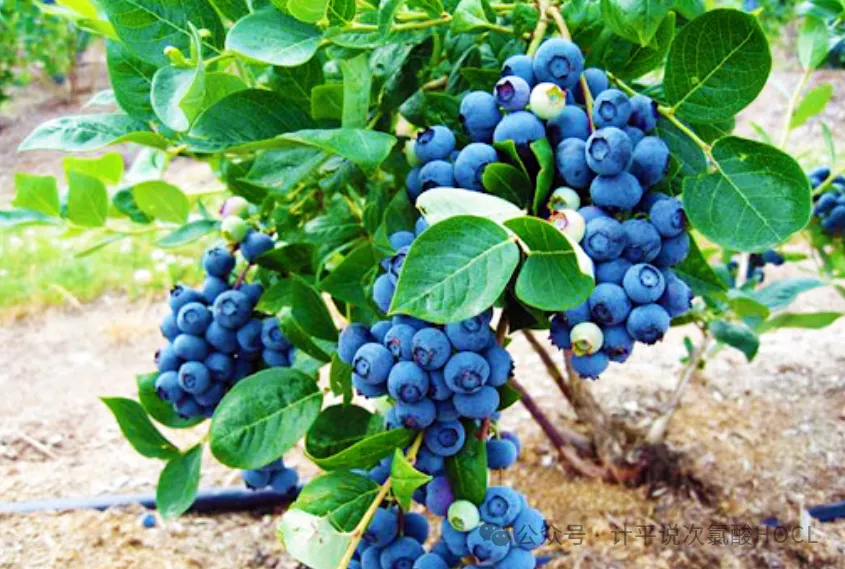
Gray mold, caused by Botrytis cinerea, is a major and widespread disease of blueberries. Gray mold causes flower rot during flowering and fruit rot during post-harvest handling and storage. Since most post-harvest diseases in blueberries originate from field infection, pre-harvest fungicide application is a promising measure for controlling post-harvest diseases, including gray mold. Extensive experimental data and customer case feedback indicate that using atomized spraying of slightly acidic electrolyzed water (hypochlorous acid) can effectively control gray mold.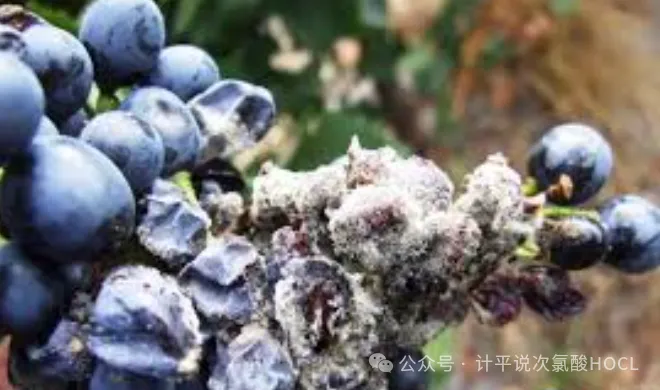
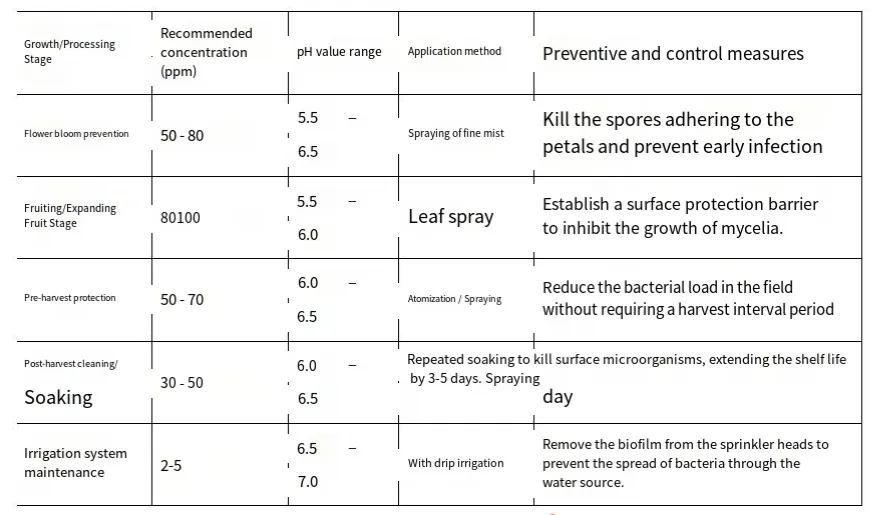
Standards for the Use of Hypochlorous Acid in Blueberry Control
The effectiveness of hypochlorous acid in control depends on the available chlorine concentration (ACC), pH value, and contact time.
Core Advantages: Hypochlorous Acid vs. Traditional Fungicides
Gray mold resistance to benzimidazole and pyrimidine amine pesticides has become a global challenge (resistance detection rates exceed 70% in some regions).- Physical Oxidative Sterilization: Hypochlorous acid directly oxidizes pathogen proteins and nucleic acids by penetrating the cell wall, preventing pathogens from developing resistance.
- Zero Pesticide Residue Advantage: After application, it rapidly degrades into water and trace amounts of salt (sodium chloride), fully meeting the high standards for pesticide residue testing required for export to the EU, the US, and Japan (MRLs are unrestricted).
- Broad-Spectrum Killing: In addition to gray mold, it is also effective against common blueberry diseases such as anthracnose and mummified fruit disease.
- Cost Efficiency: The on-site generator only requires salt and electricity. Compared to chemical agents, the long-term overall cost can be reduced by 40%–60%.
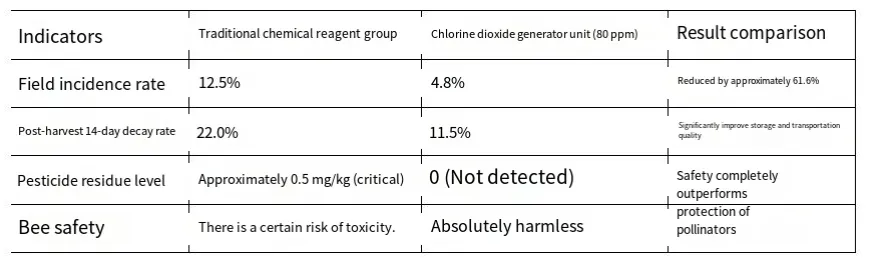
Blueberry Case Study
Background: A blueberry export base located in the Northwest of North America (PNW) or Yunnan, China.Challenges: Continuous rain during the harvest season poses a high risk of gray mold outbreaks, and conventional pesticides are already nearing the red line for pesticide residue exceeding standards.
Precautions for Use
1. Prepare and use immediately (stability): Hypochlorous acid is sensitive to light and heat. It should be used within 24-48 hours after generation, or stored in a light-proof, sealed container.2. Equipment material: Although hypochlorous acid is mild, long-term use can cause slight corrosion to low-grade stainless steel (such as 304). It is recommended that the spray pipes be made of 316L stainless steel or high-quality plastic.
3. Avoid direct sunlight: Field spraying is recommended in the early morning or evening to prolong the retention time of the active ingredient on the leaf surface.
4. Environmental buffering: If the water hardness is too high (CaCO3 > 300mg/L), it will reduce the bactericidal efficacy. It is recommended to soften the water source before preparation.
Global Market Policy Support (2025-2026 Trends)
With the advancement of the Green Deal, hypochlorous acid is undergoing a transformation from an "industrial disinfectant" to a "legal agricultural input":- United States (USDA/EPA): Hypochlorous acid has been registered with the EPA for use in crops and is listed in the USDA NOP (National Organic Program) list of substances permitted for use in organic agriculture. As a fruit and vegetable cleaning solution, it is classified as "no-rinse."
- United European Union (EC): Under the "farm-to-table" strategy, the EU continues to reduce traditional pesticides. Due to its environmental friendliness, hypochlorous acid is widely adopted in organic certification in major blueberry-producing regions such as the Netherlands and Spain.
- China: The Ministry of Agriculture and Rural Affairs' "Green Control Technology Guidelines" promotes electrolyzed acidic water (hypochlorous acid) as a physical control method. From 2025 onwards, more field generator equipment will receive agricultural machinery subsidies.
- Global Market: The hypochlorous acid generator market in the agricultural sector is projected to grow at a CAGR of 5.5%–6.0% by 2026.
+86 157 8668 8998

