
Hypochlorous acid (HOCl) water has become a powerful and eco-friendly solution for disinfection across various industries, from healthcare and food safety to water treatment. A common question we encounter is whether lowering the temperature of hypochlorous acid water—such as through refrigeration or cooling for specific applications—impacts its ability to kill harmful pathogens. Let's explore the science behind it.
Understanding Hypochlorous Acid Water
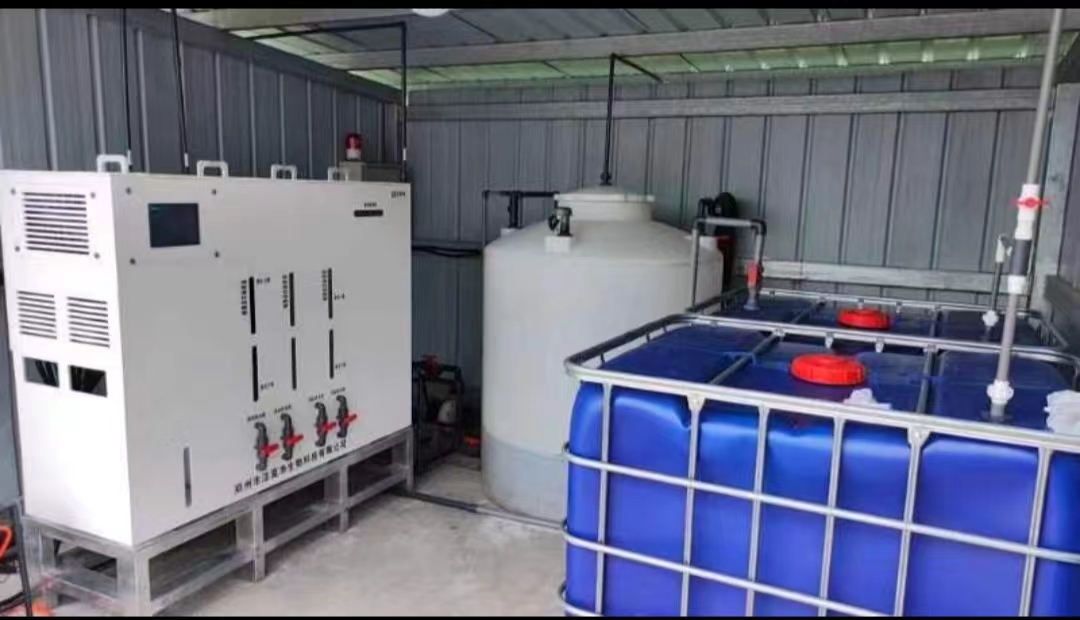
Hypochlorous acid is a weak acid that occurs naturally in our white blood cells as a defense against pathogens. Electrolyzed water systems generate it by passing a saline solution through an electrolytic cell, producing a highly effective, non-toxic disinfectant. Its efficacy stems from its ability to penetrate microbial cell walls and disrupt vital functions.
The Relationship Between Temperature and Disinfection
In general, chemical reaction rates, including disinfection processes, are temperature-dependent. For many disinfectants, higher temperatures can increase antimicrobial activity. However, hypochlorous acid presents a unique profile:
-
Stability: Hypochlorous acid is most stable in a cool, dark environment. Excessive heat accelerates its decomposition back into salt and water, reducing its concentration and efficacy.
-
Activity: While extreme cold can slow down the kinetic activity of any solution, the inherent antimicrobial power of HOCl remains effective at lower temperatures. The key factor is maintaining the correct pH and available chlorine concentration (ACC).
-
Optimal Range: Studies and practical applications show that hypochlorous acid water retains excellent biocidal properties at chilled temperatures (e.g., 4-10°C or 39-50°F), which are common in refrigeration. This makes it ideal for disinfecting heat-sensitive surfaces, processing chilled food products, or in climate-controlled environments.
Key Considerations for Using Cooled HOCl Water
-
Consistent Concentration: Ensure your generation and dosing systems are calibrated to deliver the required ACC regardless of temperature. Monitor concentration with appropriate test kits.
-
Avoid Freezing: Freezing can alter the solution and potentially lead to stratification or decomposition upon thawing. It's best to store it above freezing point.
-
Application Method: Even when cooled, ensure adequate contact time with the surface being disinfected. Spray, immersion, or misting should be sufficient for the target microbes.
-
Closed System Storage: Store cooled HOCl water in opaque, sealed containers to protect it from light and air, which degrade the solution more than cool temperatures.
Conclusion
Cooling or refrigerating hypochlorous acid water does not significantly diminish its core disinfection efficacy when properly managed. In fact, cooling can enhance storage stability. The primary enemies of HOCl are sunlight, excessive heat, and air exposure—not cold.
For industries requiring low-temperature disinfection—such as beverage production, cold storage facilities, or laboratories—hypochlorous acid water remains a superior, safe, and powerful choice.
At Chlory, we engineer advanced hypochlorous acid generation systems with smart controls to ensure optimal performance and stability for your specific environmental conditions, guaranteeing effective disinfection every time.