The global aquaculture industry faces a dual challenge: ensuring robust hygiene to protect stock health while operating in an environmentally responsible manner. Traditional chemical disinfectants, though effective, often leave behind harmful residues, contribute to antimicrobial resistance, and can disrupt local ecosystems. The quest for a safer, more sustainable solution has led forward-thinking water treatment companies to a powerful, on-site technology: seawater electrolysis.
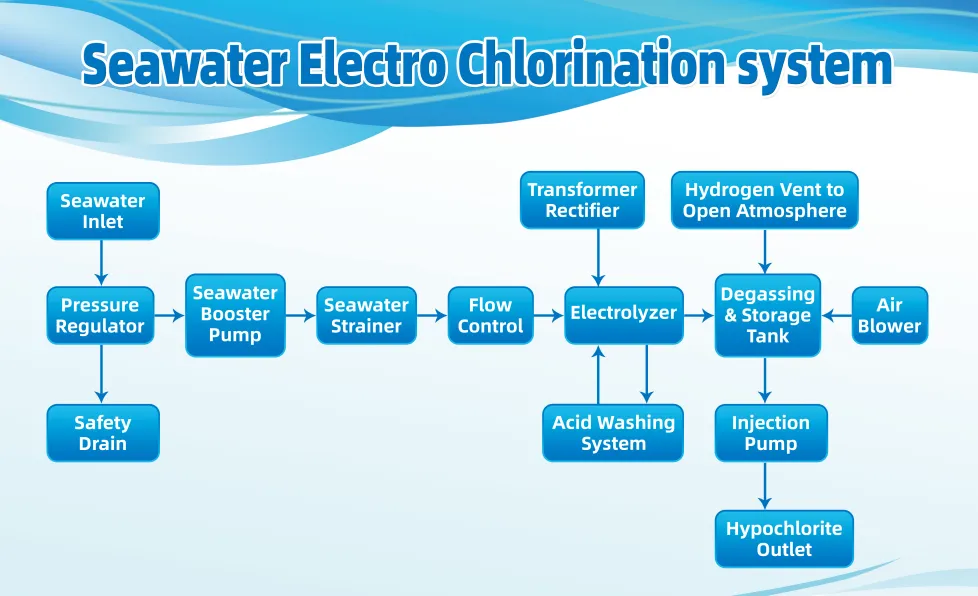
How Does It Work?
Seawater electrolysis harnesses the natural composition of seawater itself. By passing a controlled electrical current through seawater, the process generates a powerful yet environmentally friendly mix of oxidants, primarily sodium hypochlorite (a form of chlorine) and reactive oxygen species. This solution, often called electrochemically activated water (ECAW), is produced on-demand at the point of use.Benefits for Aquaculture Hygiene and Sustainability
-
Effective Pathogen Control: The generated mixture is a potent broad-spectrum disinfectant, effective against bacteria, viruses, and parasites that threaten fish and shellfish. It helps control diseases in hatcheries, processing equipment, and tank systems without promoting significant resistance.
-
Enhanced Safety for Stock and Food: Unlike commercial chlorine, the electrochemically generated solution rapidly degrades back into harmless seawater constituents after use. This significantly reduces the risk of toxic residue accumulation in stock tissues, leading to safer seafood products and healthier aquatic animals.
-
On-Demand Production & Reduced Hazard Transport: Producing disinfectant on-site eliminates the need to store, handle, and transport hazardous chemicals. This minimizes operational risks, reduces the carbon footprint associated with logistics, and ensures a consistent supply.
-
Environmental Compatibility: When used correctly, the breakdown products of seawater electrolysis are primarily salt and water, aligning closely with the natural marine environment. This makes it a cornerstone for sustainable aquaculture practices, protecting the surrounding water quality.
-
Operational Efficiency: Modern electrolysis systems are automated and scalable. They allow for precise dosing in Recirculating Aquaculture Systems (RAS), for routine equipment cleaning, and for treating intake water, improving overall operational efficiency and biosecurity.
A Partner for Responsible Growth
Implementing seawater electrolysis technology is an investment in the future of aquaculture. It moves the industry toward a model where optimal productivity goes hand-in-hand with ecological stewardship and food safety.As a leader in advanced water treatment solutions, we provide tailored seawater electrolysis systems designed for the unique demands of your aquaculture operation. Our technology helps you set a new standard for cleanliness, animal welfare, and environmental protection.
Ready to transform your aquaculture hygiene into a pillar of sustainability? Contact us today to learn how our seawater electrolysis solutions can safeguard your business and our shared waters.