In the food processing industry, Clean-in-Place (CIP) cleaning is a critical link that directly affects product safety, quality stability, and production efficiency. Traditional CIP cleaning often relies on chemical disinfectants such as sodium hypochlorite solution, which may leave residues, corrode equipment, or require complex post-rinsing procedures. As food safety standards become increasingly stringent, hypochlorous acid (HOCl) generators have emerged as a game-changer for CIP cleaning—enabling on-site production of high-purity hypochlorous acid, realizing efficient disinfection, residue-free results, and cost savings. This article explores how food processing plants can leverage hypochlorous acid generators to optimize CIP cleaning processes.
1. Why Hypochlorous Acid Generators Outperform Traditional Disinfectants for CIP Cleaning
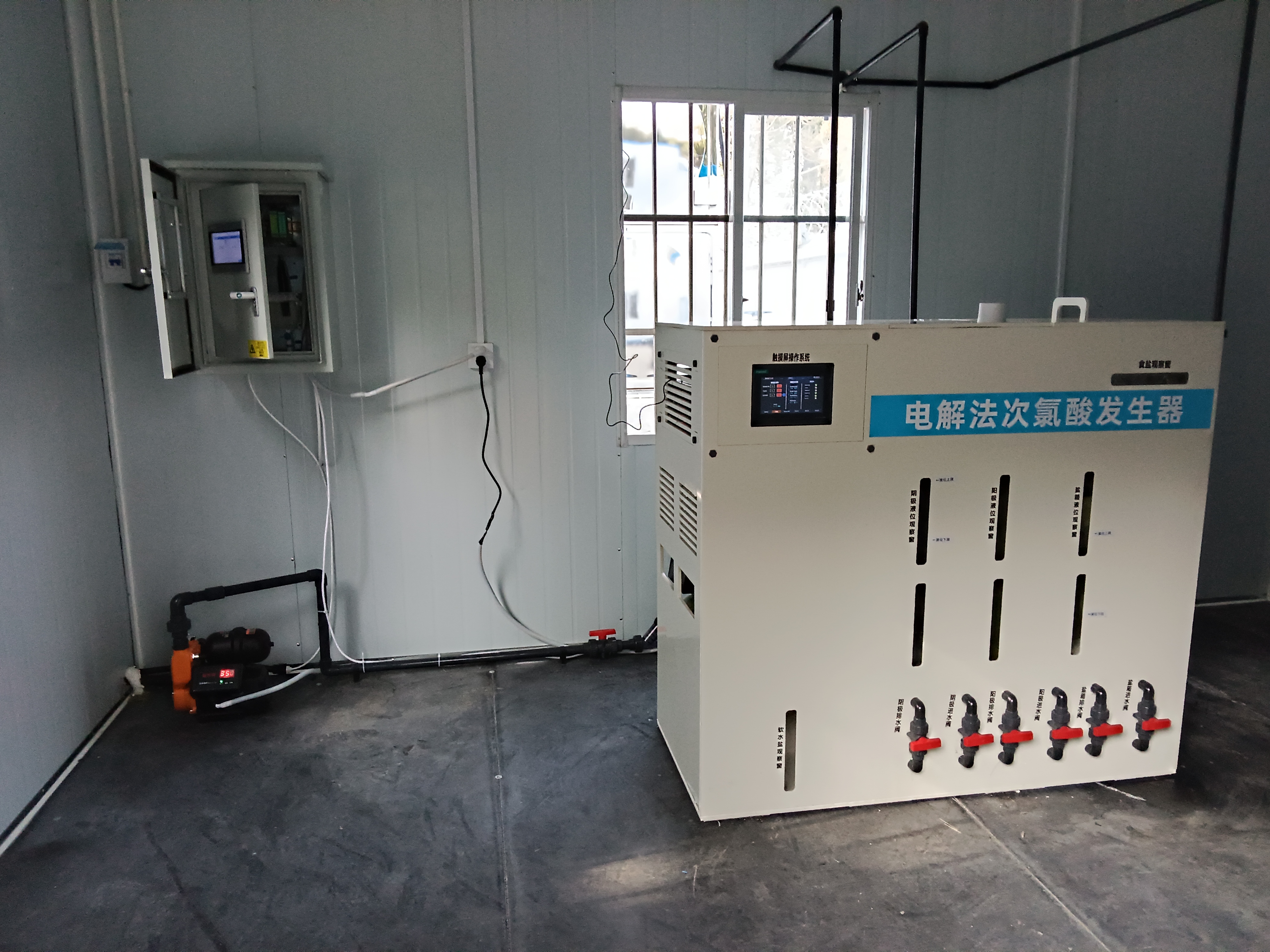
Hypochlorous acid is a weak acid naturally produced by the human immune system, with broad-spectrum disinfection capabilities and high biocidal activity. Compared to traditional disinfectants used in CIP cleaning, hypochlorous acid generators offer unique advantages tailored to food processing needs:
-
Residue-Free and Food-Safe: Unlike sodium hypochlorite (which leaves chloride residues) or chemical disinfectants (which may leave toxic by-products), hypochlorous acid decomposes into water and salt after disinfection, requiring no extensive post-rinsing. This eliminates the risk of disinfectant residues contaminating food, fully complying with FDA, EU, and national food safety standards.
-
Strong Disinfection Efficacy at Low Concentrations: Hypochlorous acid has a higher disinfection efficiency than sodium hypochlorite—effective against bacteria (E. coli, Salmonella), viruses (norovirus), fungi (mold), and biofilms at concentrations of 50-200 ppm. This reduces disinfectant usage while ensuring thorough sterilization of pipelines, tanks, and equipment surfaces.
-
On-Site Production, Cost-Effective: Hypochlorous acid generators produce HOCl on-site using only tap water, salt, and electricity—eliminating the costs of purchasing, storing, and transporting commercial disinfectant solutions. For medium-sized food processing plants, this can reduce annual disinfection costs by 30%-40%.
-
Gentle on Equipment, Extending Lifespan: Hypochlorous acid is non-corrosive to stainless steel, rubber, and plastic materials—unlike strong acids or alkalis used in traditional CIP. This minimizes equipment wear and tear, reducing maintenance costs and extending the service life of CIP systems and processing equipment.
2. Key Applications of Hypochlorous Acid Generators in Food Processing CIP Cleaning
Hypochlorous acid generators are highly adaptable to various CIP cleaning scenarios in food processing plants, covering multiple production links:
2.1 Pipeline and Tank Cleaning
Food processing pipelines and storage tanks (for dairy, beverages, sauces, etc.) are prone to biofilm formation due to prolonged contact with organic matter. Hypochlorous acid solution (80-150 ppm) can be circulated through the CIP system to penetrate and dissolve biofilms, killing microorganisms hidden in crevices and dead ends. Compared to traditional cleaning, it shortens the circulation time by 20%-30% while ensuring no residue buildup.
2.2 Processing Equipment Cleaning
Equipment such as mixers, filling machines, and conveyor belts requires frequent cleaning to prevent cross-contamination. Hypochlorous acid solution can be sprayed or wiped directly on equipment surfaces—its fast-acting disinfection (killing most pathogens within 1-5 minutes) minimizes production downtime. For equipment with complex structures, it can be used in combination with CIP spray nozzles to achieve thorough cleaning without disassembly.
2.3 Food Contact Surface Sanitization
Surfaces such as cutting boards, workbenches, and packaging materials must meet strict sanitization standards. Diluted hypochlorous acid (50-100 ppm) can be used for cold sanitization—no rinsing is needed after application, saving water and labor costs. It is particularly suitable for high-speed production lines where quick sanitization is required.
3. Best Practices for Using Hypochlorous Acid Generators in CIP Cleaning
To maximize the efficiency and safety of hypochlorous acid generators in CIP cleaning, food processing plants should follow these best practices:
3.1 Match Concentration to Cleaning Scenarios
Adjust the hypochlorous acid concentration based on the contamination level and equipment type: 50-100 ppm for daily sanitization of food contact surfaces, 100-150 ppm for pipeline and tank cleaning, and 150-200 ppm for removing stubborn biofilms. Use a chlorine tester to monitor concentration regularly, ensuring it meets cleaning requirements.
3.2 Control Water Quality and pH Value
The quality of tap water affects the stability and efficacy of hypochlorous acid. Use filtered water (removing impurities and heavy metals) to avoid reducing disinfection efficiency. The optimal pH range for hypochlorous acid is 5.0-6.5—maintaining this range maximizes its biocidal activity and stability.
3.3 Integrate with CIP System Workflow
Integrate the hypochlorous acid generator with the existing CIP system: after pre-rinsing with water to remove loose dirt, circulate hypochlorous acid solution for disinfection, then perform a brief rinse (if necessary) with clean water. For high-sugar or high-fat food residues, pre-treat with alkaline solution before using hypochlorous acid to improve cleaning effectiveness.
3.4 Regular Maintenance of Generators
Clean the generator’s electrode plates regularly to prevent scaling (which reduces production efficiency and shortens service life). Follow the manufacturer’s guidelines for maintenance, replace worn parts in a timely manner, and calibrate the concentration control system regularly to ensure stable production of high-quality hypochlorous acid.
4. Addressing Common Concerns About Hypochlorous Acid Generators
-
Concern 1: Stability of Hypochlorous Acid: Freshly produced hypochlorous acid is stable for 7-14 days when stored in a sealed, dark container. On-site production ensures that the disinfectant is used at its peak efficacy, avoiding the degradation of commercial solutions during storage.
-
Concern 2: Compatibility with Other CIP Chemicals: Avoid mixing hypochlorous acid with ammonia or strong acids (which produce toxic gases). When switching between disinfectants, thoroughly rinse the CIP system to prevent chemical reactions.
-
Concern 3: Regulatory Compliance: Hypochlorous acid is recognized as a food-contact sanitizer by global authorities (FDA 21 CFR Part 178, EU Regulation (EC) No 10/2011). Maintaining production records (concentration, usage time, cleaning areas) ensures compliance with audit requirements.
Conclusion
For food processing plants, hypochlorous acid generators offer a sustainable, efficient, and residue-free solution for optimizing CIP cleaning processes. By replacing traditional disinfectants with on-site produced hypochlorous acid, plants can enhance food safety, reduce operational costs, extend equipment lifespan, and meet increasingly strict regulatory standards. As the industry prioritizes green and safe production, hypochlorous acid generators will become an indispensable tool for modern food processing CIP cleaning. Chlory anolyte generator widely exported to the UAE, Indonesia, Australia, Canada, Jordan, etc. Welcome to contact us for more information!