Chlorine (Cl₂)
A key chemical feedstock used in water disinfection, chemical synthesis and other industrial applications. Product drying, compression, storage and transfer require application-specific design and stringent safety controls.
Engineering-led solutions for the electrolysis of purified brine, producing chlorine and caustic soda with hydrogen as a co-product. Explore the process, key equipment, utilities and project factors that shape a safe, efficient plant.
The chlor-alkali process is an industrial electrochemical process in which an aqueous sodium chloride solution (brine) is electrolyzed to produce chlorine, sodium hydroxide and hydrogen. Plant performance depends on feed preparation, cell technology, electrical supply, product treatment and disciplined process control.
A key chemical feedstock used in water disinfection, chemical synthesis and other industrial applications. Product drying, compression, storage and transfer require application-specific design and stringent safety controls.
Sodium hydroxide solution is used in pulp and paper, alumina, detergents, textiles, chemical processing and water treatment. Concentration and finishing requirements influence downstream equipment.
Hydrogen is generated at the cathode as a co-product. Its collection, cooling, purification, compression, utilization or safe disposal must be engineered for the project and local codes.
A typical membrane-cell facility includes brine preparation and purification, electrolysis, gas separation and treatment, and product finishing. The exact configuration varies with feedstock quality, capacity, product specifications and site conditions.
Prepare saturated brine from industrial salt and water.
Remove hardness and other impurities to protect membranes.
Convert purified brine into chlorine, caustic and hydrogen.
Cooling, drying and further handling according to product use and safety requirements.
Lye collection, concentration where required, cooling and storage.
Gas cooling, separation, purification and controlled utilization or disposal.
Simplified conceptual flow for information purposes; not a construction PFD. Detailed process design, interlocks, relief systems and operating procedures require project engineering.
A complete plant is an integrated system rather than an electrolyzer alone. The equipment list is finalized after defining battery limits, product routes, utility conditions and applicable standards.

Salt dissolving, brine tanks, filtration, chemical dosing and purification systems.
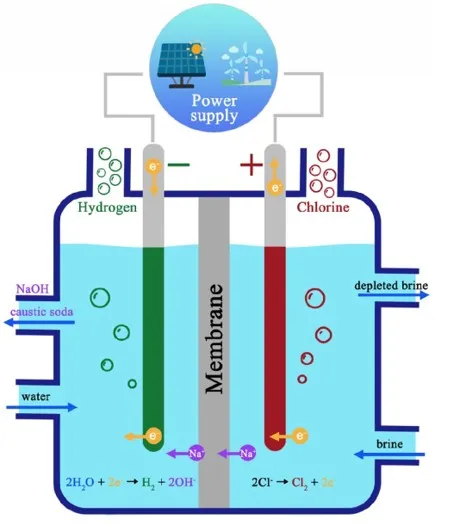
Membrane electrolyzers, rectifiers, transformers, busbars and cell monitoring.
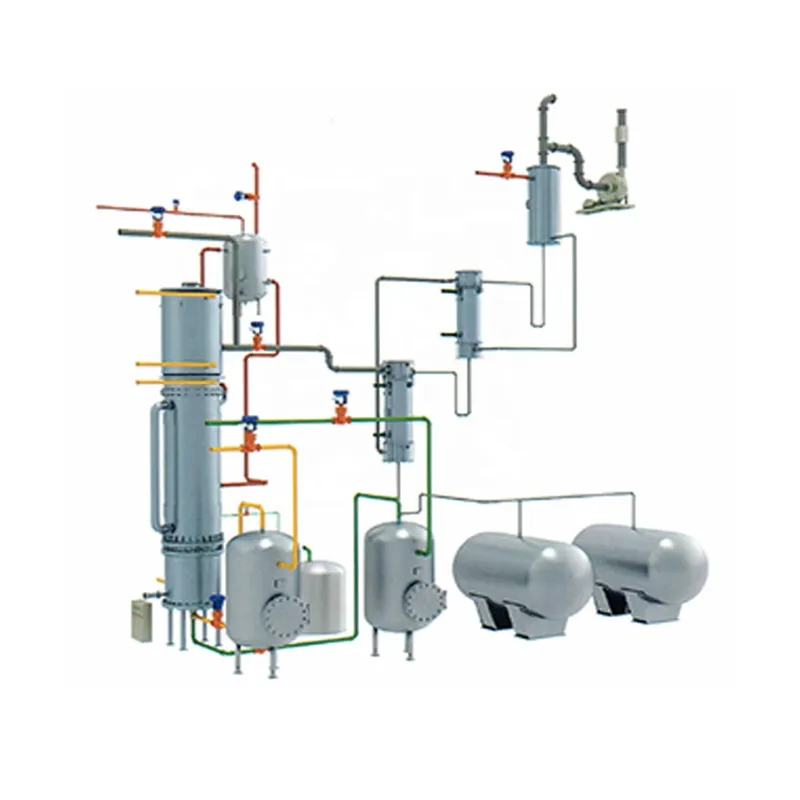
Gas cooling, separation, drying and handling equipment designed for each stream.
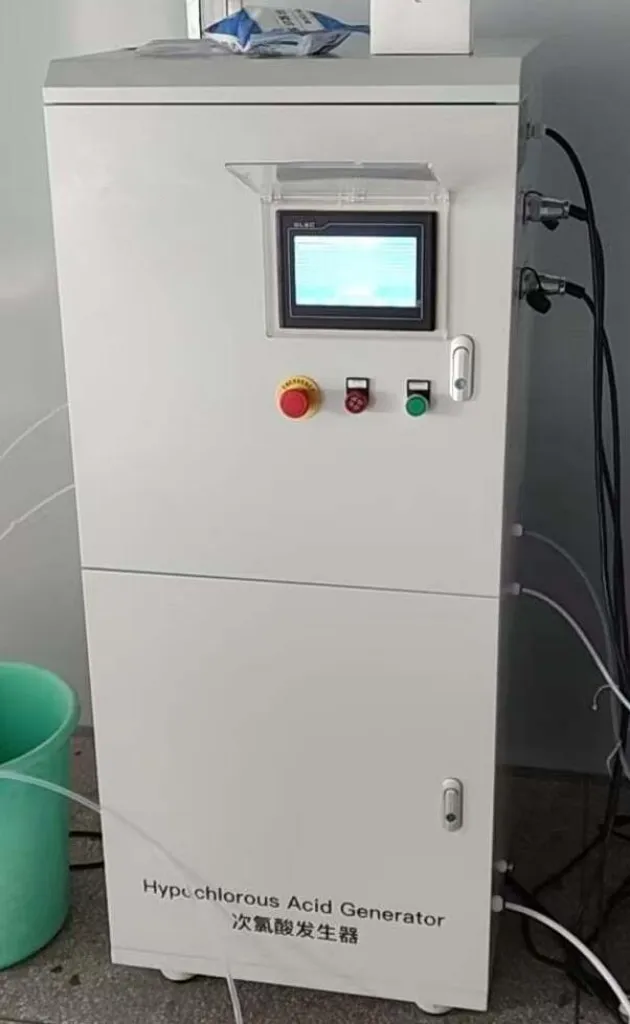
PLC/DCS, instruments, cooling water, demineralized water and safety systems.
A technically sound proposal starts with the operating case and site conditions. The following items should be reviewed before equipment sizing or commercial guarantees are established.
| Production capacity | Target output for chlorine and caustic soda; operating hours and availability basis. |
|---|---|
| Product specification | Required concentration, purity, pressure, temperature and delivery state. |
| Feedstock quality | Salt composition, brine quality, water analysis and impurity limits. |
| Utilities | Power supply characteristics, cooling water, process water, steam and instrument air. |
| Site & regulations | Ambient conditions, plot plan, seismic/wind criteria, local codes and permitting. |
| Supply boundaries | Equipment-only, packaged systems or broader EPC scope; installation and commissioning responsibilities. |
Chlorine is toxic, hydrogen is highly flammable, and caustic soda is corrosive. A chlor-alkali project requires engineered containment, gas detection, ventilation, emergency response provisions, suitable materials, electrical protection, operating procedures and compliance with applicable local regulations and recognized industry standards.
Direct answers to common technical and procurement questions about chlor-alkali production systems.
Share your target capacity, product requirements and site information. The engineering team can use these details to identify the key design questions and define the next step.